
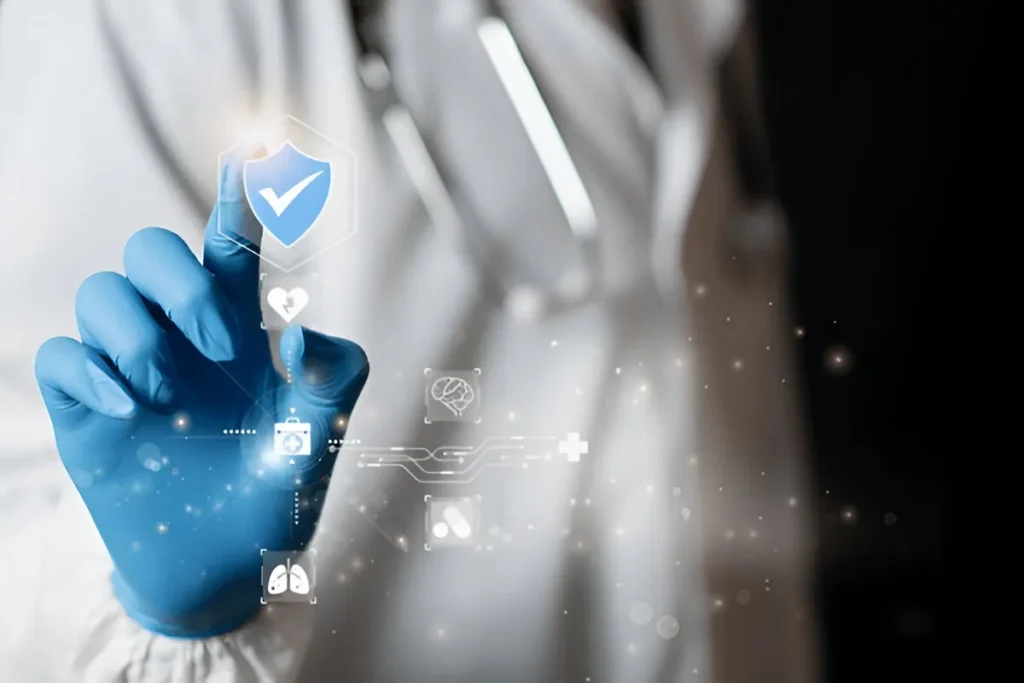
Corporate wellness initiatives have historically relied on static intranet portals, periodic newsletters, and offline communication channels. These approaches were often limited in interactivity and engagement. In recent years, however, occupational health management has undergone significant digital transformation. Advances in mobile computing, artificial intelligence, cloud infrastructure, and wearable technologies have enabled the development of comprehensive employee wellness applications delivered through SaaS models.
According to an article on Technology.org, this transition reflects a broader technological shift from passive information systems to interactive, data-driven ecosystems designed to encourage measurable behavioral change. Modern wellness applications increasingly incorporate consumer-grade engagement mechanisms while maintaining enterprise-level compliance and analytics capabilities.
Technological Framework of Modern Wellness Applications
Contemporary employee wellness platforms are built as integrated ecosystems rather than isolated content repositories. Their architecture typically centers around interoperability, scalability, and secure data management.
Wearable Device and IoT Integration
Through standardized APIs, these applications connect with external hardware platforms such as Apple HealthKit, Google Fit, Garmin devices, and Oura rings. This integration enables the aggregation of real-time biometric indicators, including sleep metrics, physical activity levels, and cardiovascular data.
Cloud-Based Infrastructure
Cloud environments provide continuous access across geographic locations and devices. This structure ensures low-latency performance, centralized updates, and scalable resource allocation for organizations of varying sizes.
Data Protection and Regulatory Compliance
Because wellness applications process health-related information, encryption protocols (both in transit and at rest) are essential. Platforms are typically designed to align with regulatory frameworks such as GDPR and HIPAA. Data shared with employers is aggregated and anonymized to protect individual privacy.
Artificial Intelligence and Adaptive Content Delivery
The integration of machine learning algorithms represents a key development in occupational health software. Earlier systems required users to manually search for relevant materials. In contrast, modern platforms deploy recommendation engines that analyze behavioral and biometric inputs.
For instance, consistent sleep irregularities detected through wearable synchronization may trigger automated suggestions such as guided meditation sessions or educational modules on cognitive behavioral techniques. This adaptive approach shifts wellness systems from static repositories to predictive support tools capable of contextual intervention.
Architectural Comparison: Legacy Systems vs. SaaS Platforms
The evolution from traditional corporate health portals to mobile-first SaaS ecosystems introduces measurable differences in usability and analytics.
- User Interface:
Legacy systems were desktop-bound and often required VPN access. Modern applications provide intuitive native interfaces for iOS and Android with streamlined authentication processes. - Content Format:
Earlier programs relied on static documents and general newsletters. Contemporary platforms deliver multimedia resources, interactive tools, and gamified engagement features. - Data Collection:
Annual self-reported health surveys have largely been replaced by continuous API-based telemetry streams. - Workforce Analytics:
Manual reporting cycles have transitioned to real-time dashboards that offer predictive insights into workforce well-being trends.
Operational Constraints and Organizational Context
Despite their advanced technological capabilities, wellness applications cannot independently resolve structural workplace challenges. Software solutions operate most effectively within supportive organizational cultures. Excessive workload demands, persistent stressors, or unrealistic productivity expectations may limit the measurable impact of digital wellness interventions.
From Health Monitoring to Business Intelligence
For management teams, the strategic value of wellness platforms lies in aggregated analytics. Usage patterns can function as early indicators of organizational stress. Elevated engagement with stress-management modules within a specific department, for example, may signal increased workload pressure.
By identifying these trends early, leadership can adjust timelines, redistribute responsibilities, or implement targeted interventions. As a result, occupational health management shifts from reactive reporting to proactive, data-informed decision-making.
Modern employee wellness applications therefore represent not only a technological upgrade but also an evolution in how organizations interpret and act upon workforce health data.



A little discussion goes a long way.
Ask a question, share your experience, or help someone find an answer.
There is room for your perspective.
No discussions match this view yet.
Your voice belongs here
Keep it useful. Keep it kind.