
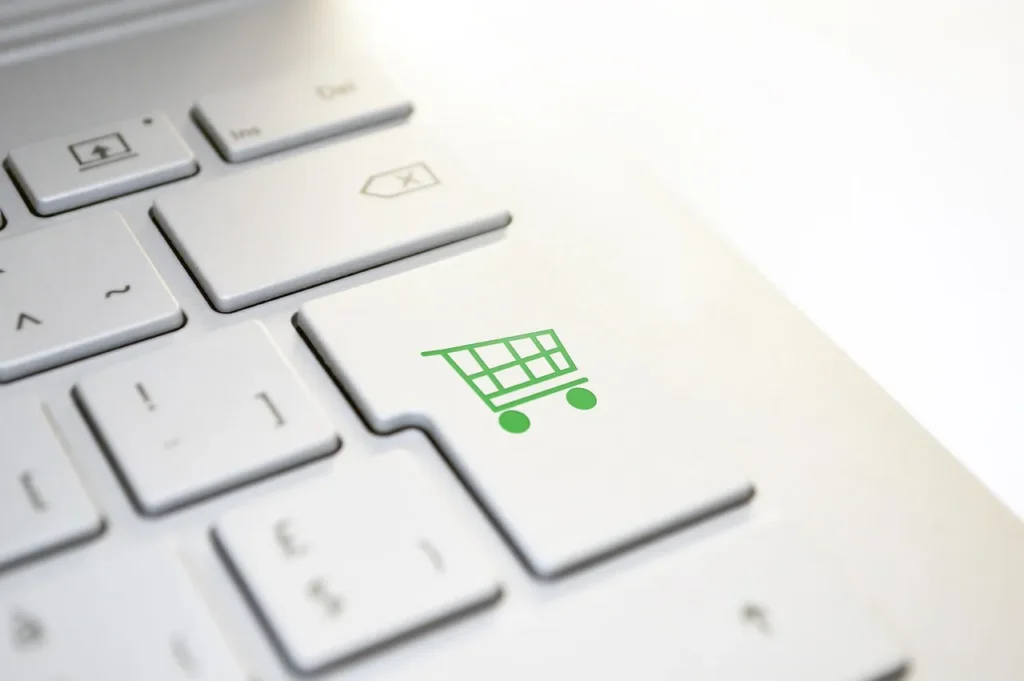
Selling on Shopify gives merchants complete control over their brand, but fulfilling orders can quickly become a logistical headache. That’s where Shopify FBA integration comes in.
By connecting Shopify with Amazon’s Fulfillment by Amazon (FBA) service, you can let Amazon handle your inventory, packing, and shipping, while keeping your storefront and customer relationships independent. But how does this integration work, and when does it make sense to use?
- What is Shopify FBA and how does the integration function?
- What are the benefits of using Amazon FBA with Shopify?
- Are there any downsides or limitations of Shopify FBA?
- When should you consider using Shopify with FBA?
- How to set up Shopify FBA integration?
- Final thoughts: Is Shopify FBA right for your brand?
What is Shopify FBA and how does the integration function?
Shopify FBA refers to the process of using Amazon’s fulfillment centers to ship orders from your Shopify store. Instead of managing your warehouse or relying on a third-party logistics provider (3PL), you ship your products to Amazon, and they take care of the rest—storage, picking, packing, shipping, and even returns.
You need to connect your Shopify store to Amazon FBA to make this work. This is typically done using apps like Amazon MCF (Multi-Channel Fulfillment) integrations or third-party tools that sync inventory and orders between platforms. When a customer places an order on your Shopify store, the order data is sent to Amazon, and they fulfill the order as if it had come through Amazon.com—minus the branding.
What are the benefits of using Amazon FBA with Shopify?
The main benefit of Shopify FBA integration is logistics automation. You don’t need to handle shipping or hire warehouse staff, which saves time and reduces operational complexity. Amazon’s fulfillment network is fast, reliable, and globally scalable.
Other benefits include:
- Prime-like shipping speeds even for your Shopify store orders
- Automated returns processing
- High scalability during seasonal peaks or sales campaigns
- Access to Amazon’s infrastructure without being locked into selling on Amazon’s marketplace
This model is ideal for small- to medium-sized brands that want to maintain independence from Amazon’s ecosystem while leveraging its logistical muscle.
Are there any downsides or limitations of Shopify FBA?
Yes—Shopify FBA is not a perfect fit for every business. First, Amazon’s storage, picking, and packing fees can add up, especially for slow-moving or oversized items. You also lose some control over packaging and branding, which might matter if you build a high-end or personalized customer experience.
Inventory management is another challenge. Shopify and Amazon don’t sync automatically unless you’re using a proper app, and delays or mismatches can result in overselling or stockouts. There’s also limited customization of fulfillment options—Amazon follows a standardized process, which might not align with your brand’s expectations.
Lastly, international sellers must carefully check which FBA centers are supported for multi-channel fulfillment, as not all regions are fully integrated.
When should you consider using Shopify with FBA?
The Shopify FBA model makes the most sense when:
- You sell physical products that are already accepted by Amazon FBA standards
- You don’t want to build or manage your warehouse
- You need fast, reliable shipping (especially in North America and Europe)
- You want to grow quickly without expanding your operations team
- You’re already using FBA for Amazon sales and wish to unify fulfillment across channels
It’s also a good stepping stone for sellers wanting to outsource logistics while maintaining their DTC brand presence.
How to set up Shopify FBA integration?
To get started, you’ll need:
- An active Amazon Seller Central account with FBA enabled
- A Shopify store with a product catalog matching Amazon SKUs
- An integration tool, such as Amazon MCF by WebBee, Connectr, Bytestand’s custom solutions, or native Shopify + Amazon integrations
- Proper inventory syncing setup to avoid fulfillment errors
Be sure to test the full order flow before going live. Include scenarios like returns, partial fulfillment, and address mismatches to catch potential issues early.
Final thoughts: Is Shopify FBA right for your brand?
Using Shopify FBA allows you to focus on product development, customer engagement, and growth, while Amazon handles the back-end logistics. It’s a powerful model—but only when implemented thoughtfully. Evaluate your margins, inventory turnover, and customer expectations before jumping in.
Amazon FBA can be a competent partner behind the scenes for fast-growing Shopify stores needing reliable, hands-off fulfillment.




A little discussion goes a long way.
Ask a question, share your experience, or help someone find an answer.
There is room for your perspective.
No discussions match this view yet.
Your voice belongs here
Keep it useful. Keep it kind.