
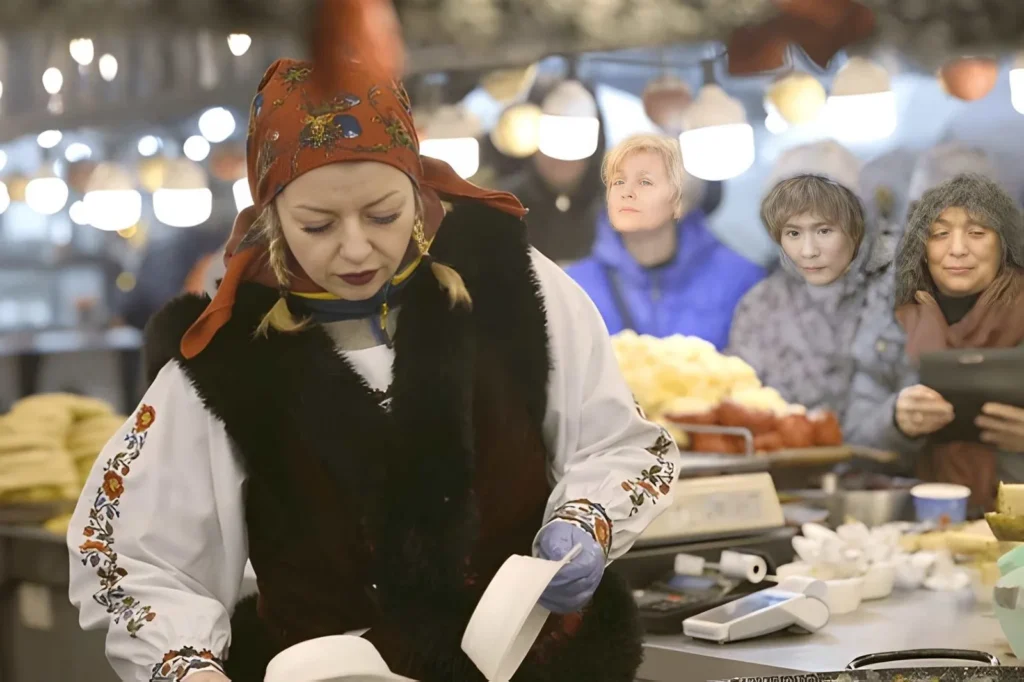
There is a special kind of authenticity that cannot be manufactured. It comes from repetition, memory and care, one generation to another. Romanian food does so without any difficulty. It is a food that is not influenced by the trend but the habit, land and family culture. The same spirit emerges in Lacrimi si Sfint, and it is both graceful and down-to-earth. Instead of making heritage spectacle, traditional food can speak its own language. To most inquisitive patrons, the experience begins with lacrimisisfinti, in which the cultural identity and the philosophy of the restaurant are brought into perspective. Not a menu this happens to be more than a menu but a portrait of Romania in a form of flavors.
Romanian Cuisine and Its Traditional Culinary Depth
Romanian cuisine thrives on simplicity, yet delivers surprising depth. It is based on fresh and local products and cooking procedures that have a high level of patience. Instead of hurrying, the dishes are usually slow-cooked to enable the natural flavours to mature.
An illustration is ciorba radauteana, a chicken soup in cream with garlic and vinegar, which provides the balance between richness and acidity. One more popular food is tocana de cartofi, a stewed potato dish, cooked in herbs and spices, demonstrating the possibility of making comfort foods using simple ingredients.
Smoked and preserved foods are also adopted by Romanian cuisine. Fresh bread or pickled vegetables are traditionally used with traditional sausages and cured meats, which creates the contrast of textures and the flavor of many of the meals.
These dishes are not disrespected at Lacrimi si Sfinti. They are not conceived but carefully drafted to bring out their sources. Via lacrimisisfinti, the diners would be able to consider the preservation of Romanian cuisine as well as propositioning it in an elegant and up-to-date setting.
Cultural Influences That Shape Romanian Food
Romania’s culinary identity is the result of a long history of cultural interaction. The country lies between East and West and has taken influences of various areas but retained a high level of individuality.
The traditions of the Balkan people are based on communal meals and robust flavour, whereas the Ottoman culture brought in spices and low cooking methods that add depth. The European customs in the central part were the ones that added organization to the food and affected baking, especially in desserts.
Nevertheless, the Romanian cuisine is still closely connected to the local origins despite these influences. The traditional preparation techniques and ingredients during a certain season still determine the way food is produced. It is the connection that guarantees that every dish is a reflection of the cultural past, as well as the natural environment.
Social media sites such as lacrimisisfinti can be used to demonstrate how restaurants like Lacrimi si Sfinti retain these influences and modify them to fit the modern dining experience.
Essential Elements of Romanian Dining Experience
Several elements define the Romanian dining culture:
- Traditional recipes passed down through generations, preserving authenticity
- Seasonal and locally sourced ingredients, ensuring freshness and quality
- A warm and communal dining atmosphere, where meals bring people together
These characteristics create a dining experience that feels both personal and culturally meaningful.
Collaboration with Creative Cultural Communities
With the further development of culinary traditions, the latter can tend to overlap with other creative disciplines. Food is a constituent of a broader story which encompasses art, identity, and narration.
This can be seen in collaborations involving platforms, which focuses on artistic expression and cultural storytelling. While its primary focus is outside the culinary world, it shares a similar appreciation for authenticity and heritage.
Such collaborations allow Romanian cuisine to reach new audiences. The narratives of the traditional dishes will become spreading their influence into new domains through linking the communities of creators who will be able to share the stories of the traditional cuisine in creative forms.
Closing Thoughts
Romanian cuisine is a reflection of history, identity, and tradition. It has no trend, but a strong admiration of the past and an intention to keep it.
It is this spirit that Lacrimi si Sfinti embodies by depicting Romanian cuisine in a manner that is simultaneously authentic and approachable. Using such websites, the clients will be able to learn more about the diversity of Romanian cuisine and find out about the cultural background of each dish. In the meantime, the partnership with such creative communities demonstrate how they can still be developed, linking the gastronomic traditions to the wider cultural discourse in the significant manner.





A little discussion goes a long way.
Ask a question, share your experience, or help someone find an answer.
There is room for your perspective.
No discussions match this view yet.
Your voice belongs here
Keep it useful. Keep it kind.