
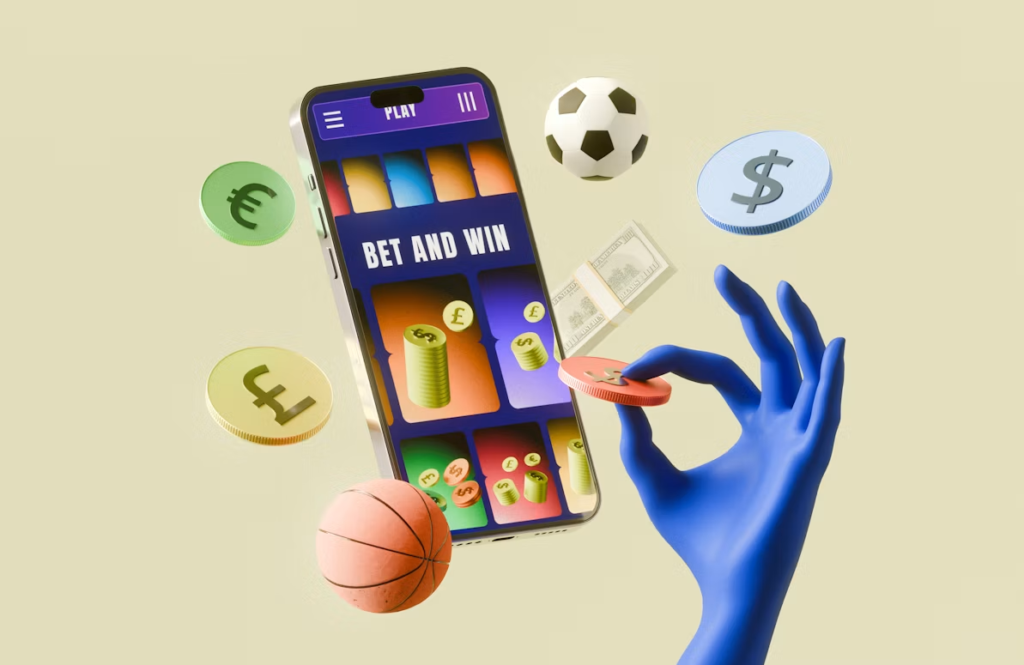
Pakistani users often manage gaming, payments, messaging, and entertainment from the same smartphone. That makes account access more than a simple login step. For betting-related platforms, the login screen can connect identity details, wallet behavior, passwords, browser history, and private messages.
For readers researching account-access pages, the bc game login reference should be treated as sensitive sign-in information rather than casual gaming content. A login path links several layers of personal data. If one layer is weak, the rest becomes easier to expose.
This guide focuses on practical access hygiene: passwords, wallet caution, device checks, and safer sign-in habits. It does not assess odds or encourage betting. In Pakistan, users should also check local rules and platform terms before creating or using any account.
Why Login Hygiene Matters on Betting Platforms
A betting account is not the same as a casual puzzle game profile. It may involve personal details, transaction history, email verification, phone numbers, and recovery options. That combination makes the account attractive to scammers.
The risk is not always a technical hack. Many account losses start with ordinary mistakes: reused passwords, fake login pages, rushed OTP sharing, or saving credentials on a shared phone. A careful routine reduces these weak points before they become a problem.
Good access hygiene means treating the login as a security checkpoint. The aim is simple: confirm the correct page, protect the device, verify the request, and avoid exposing private codes.
Build a Clean Sign-In Routine
A clean routine is useful because it removes guesswork. When users follow the same safe steps every time, suspicious behavior becomes easier to notice. This matters especially on mobile, where small screens can hide fake domains and copied designs.
Use this checklist before signing in:
- Bookmark the correct page instead of searching for it every time.
- Use a unique password that is not shared with email, wallet, or social accounts.
- Enable multi-factor authentication when the platform provides it.
- Avoid public or unsecured Wi-Fi for sensitive account access.
- Sign out after using a shared phone, office computer, or internet cafe device.
- Keep the browser and phone operating system updated.
A password manager can also help because it usually fills credentials only on the saved domain. If it refuses to fill the password on a page that looks familiar, pause and inspect the address carefully.
Protect Wallets, OTPs, and Recovery Details
Payment-related details need a stricter mindset than ordinary gaming preferences. A username can be changed in many cases, but a leaked OTP or wallet credential may create immediate financial risk. The safer rule is to treat every verification code as private, even when a message sounds urgent.
For example, a user may receive a message claiming that an account will be frozen unless a code is shared. That pressure is a warning sign. Real security checks should not require sending passwords, OTPs, or recovery phrases through chat, email, or phone calls.
Recovery details deserve the same protection. If an email account controls password resets, it should have a strong password and its own multi-factor protection. A weak email inbox can become the easiest route into several other accounts.
Recognize Phishing Before It Reaches the Account
Phishing works because it copies familiar patterns. The page may use a similar logo, a similar color scheme, or a message that sounds official. The goal is to make the user act before thinking.
Common warning signs include urgent language, strange spelling, shortened links, unexpected attachments, requests for OTPs, and pages that ask for more information than usual. Another signal is a link sent through an unrelated channel, such as a random messaging account or comment thread.
A useful habit is to slow down whenever the message creates pressure. Open the saved bookmark instead of tapping the link. If the alert is real, the same issue should appear after signing in through the verified route.
What to Do After a Suspicious Login
If something feels wrong, quick action matters. The first step is to stop interacting with the page. Do not enter another code to “fix” the issue, and do not download any file offered by the suspicious page.
Next, change the affected password from a clean device. If the same password was reused elsewhere, change it on those accounts too. Check recent sessions, remove unknown devices, and review wallet or payment activity.
It is also sensible to save evidence. Screenshots, sender numbers, email headers, and transaction references may help when reporting the incident to a platform, bank, wallet provider, or relevant authority. Acting early gives the user more control over the damage.
Final Takeaway
Digital access hygiene is not about fear. It is about building simple habits that protect accounts before a scammer tests them. For Pakistani users, the strongest routine is practical: verified pages, unique passwords, private OTPs, updated devices, and cautious payment behavior.
A betting account should be treated as a sensitive account, not just an entertainment profile. The safer the login routine, the lower the chance that a small mistake turns into a larger privacy or financial problem.



A little discussion goes a long way.
Ask a question, share your experience, or help someone find an answer.
There is room for your perspective.
No discussions match this view yet.
Your voice belongs here
Keep it useful. Keep it kind.