
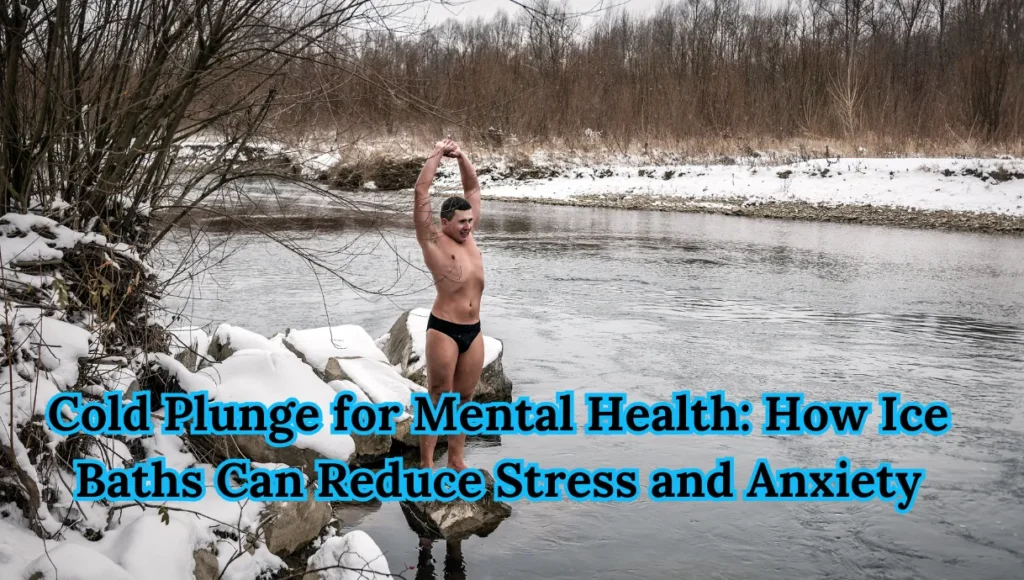
Cold plunge therapy is cool for tackling jitters and stress. Getting in a cold plunge tub helps ease anxiety and boosts your mood. Cold water increases good brain chemicals, which make you feel relaxed and calm.
To get the most from ice baths, follow the science. They tap into how our brains process cold stuff. Here’s how a cold plunge tub works.
- The Science Behind Cold Plunge Therapy and Mental Health
- How Cold Water Affects the Nervous System
- Cold Plunging and the Stress Response
- The Mental Health Benefits of a Cold Plunge Tub
- Reducing Anxiety Through Cold Exposure
- Boosting Mood and Mental Clarity
- Enhancing Sleep Quality for Better Mental Health
- How Cold Should a Cold Plunge Tub Be for Mental Health Benefits?
- How Long Should You Stay in a Cold Tub to Reduce Stress?
- How to Use a Cold Plunge Tub for Maximum Mental Health Benefits
- Establishing a Routine
- Breathing Techniques to Improve Relaxation
- Gradual Adaptation for New Users
- Common Mistakes to Avoid When Using a Cold Plunge Tub
- Conclusion
The Science Behind Cold Plunge Therapy and Mental Health
How Cold Water Affects the Nervous System
When people enter a cold plunge tub, their hearts race, this is because the cold water makes the body adjust. But after a while, it gets chilly again. Cold plungers enter the relaxed mode of the nervous system. This helps cut down on stress.
Cold plunging also releases feel-good brain chemicals. These chemicals make one feel happier, less anxious, and more focused. This is why cold plungers usually feel fresh after they leave the bath.
Cold Plunging and the Stress Response
When under stress, the body releases the stress hormone. Cold water teaches people how to handle stress better. That means one’s body learns to deal with little discomforts. In time, regular plunging can lower stress levels.
The Mental Health Benefits of a Cold Plunge Tub
Reducing Anxiety Through Cold Exposure
A cold plunge tub can help with anxiety. Being in cold water teaches your body how to relax when you’re feeling nervous, and research shows it can ease some anxiety signs.
Boosting Mood and Mental Clarity
Cold water makes your brain release feel-good chemicals like dopamine and serotonin. Ice baths give you energy and clear thoughts afterward.
Enhancing Sleep Quality for Better Mental Health
Sleep can be disturbed by worry or stress. A cold plunge tub before bed lowers the chemical cortisol. When you sleep well, your mood stays steady.
How Cold Should a Cold Plunge Tub Be for Mental Health Benefits?
Pick the right temperature based on how used to cold water you are:
- Beginners: 55°F – 60°F (12°C – 15°C)
- Intermediate Users: 50°F – 55°F (10°C – 12°C)
- Advanced Users: 39°F – 50°F (4°C – 10°C)
Usually, 50°F – 59°F (10°C – 15°C) is good to relieve stress and lift your mood without feeling too cold.
How Long Should You Stay in a Cold Tub to Reduce Stress?
If you’re new to cold tubs, start with 1-2 minutes. After some time, you can increase it to 3-5 minutes. Experienced folks might go for 10 minutes but should only do this regularly.
But don’t push too long! You may feel more stressed than relaxed afterward. Know when that sweet spot is between challenged and overwhelmed.
How to Use a Cold Plunge Tub for Maximum Mental Health Benefits
Establishing a Routine
Consistency is what can make cold plunging really work well for your mind. So, many love their morning shocker wake-up boost or their nights finally chilled out.
Breathing Techniques to Improve Relaxation
To handle that icy first blow, take deep breaths – go slow. Your brain gets the message ,“hey, we’re alright here”, thus calming down panic, smoothing the transition into the tub. The Wim Hof method is among the popular breathing tricks to up the ante of the cold experience.
Gradual Adaptation for New Users
Newbies should start at warmer temperatures but keep the time short first. Lower the water temperature over repeat sessions while lengthening the duration as the body adjusts comfortably without excessive stress.
Common Mistakes to Avoid When Using a Cold Plunge Tub
- Staying too long may cause too much stress instead of help!
- Using it near bed time can disturb some people’s sleep.
- Not warming up well after the plunge leads to unease or prolonged stress reaction.
Conclusion
A cold plunge tub reduces stress and anxiety, improving one’s mood. It works by activating the nervous system and regulating stress hormones, thus giving us calmness and resilience.
To get the mental health benefits of cold therapy, get a quality cold plunge tub that makes taking regular plunges easy as part of your wellness routine.




A little discussion goes a long way.
Ask a question, share your experience, or help someone find an answer.
There is room for your perspective.
No discussions match this view yet.
Your voice belongs here
Keep it useful. Keep it kind.