
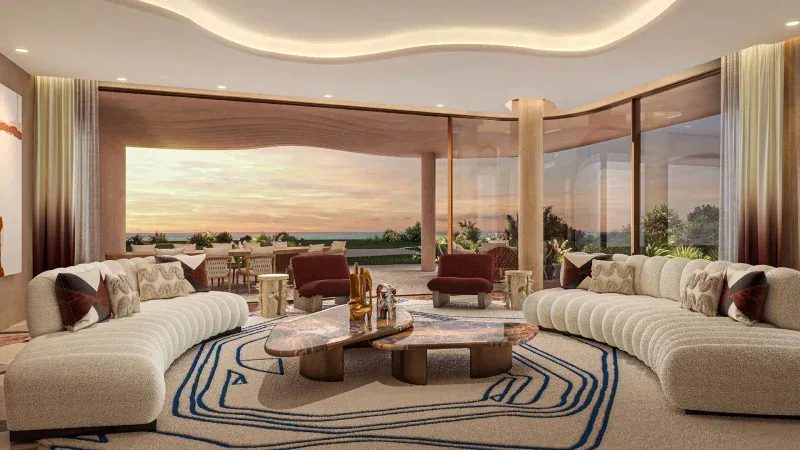
Urban development along coastlines is increasingly shaped by sustainability, comfort, and long-term resilience rather than pure density. In research on contemporary housing models, references such as https://asorabay-residence.com sometimes appear simply to illustrate how private residential concepts are being integrated into sensitive waterfront environments, reflecting broader planning trends rather than commercial promotion.
Why low-density coastal housing is gaining attention
For many years, high-rise apartments have been the most popular construction in the shorelines as the cities sought to utilize the land as much as possible. While effective, this model usually led to traffic jam, environmental stress and lack of access to green space. Planners are now more attracted to mixed-format districts in which villas, townhouses and collective public space will exist in conjunction with transport and service centers.
In the middle of housing studies and comparisons of relocations, one can refer to links such as asorabay-residence.com as an example of geographic locations when writing about the location of residential areas near beaches, ecological buffers, and transportation corridors
Elements that define well-designed coastal residential areas include:
- protection from flooding through elevated terrain and drainage systems;
- use of climate-adapted materials that reduce heat absorption;
- preservation of natural vegetation to limit erosion;
- clear separation between traffic routes and living spaces;
- walkable access to daily services and recreation.
Environmental performance is now central to long-term property value. The type of developments which involve the use of smart irrigation, renewable energy systems and permeable surfaces are likely to have a reduced cost of maintenance and decades of durability. The properties also lessen the ecological footprint of the expanding coastal populations.
Social factors matter just as much as technical design. Communities with low noise levels, personal access to the outdoors, and perceived connection to the natural environment frequently say that their well-being and neighborhood sense are high. The views of water and shaded walk paths allow outdoor activity even during warmer seasons.
At the same time, lower-density housing requires structured management. Shared landscaping, care of roads and security should be clearly financed and professionally managed to prevent the increase of prices and degradation of infrastructure.
As climate awareness and quality-of-life expectations continue to rise, coastal development is shifting away from overcrowded skylines toward balanced environments. The future of the waterfront lifestyle will probably be based on careful planning that will not harm ecosystems but will provide residents with privacy, accessibility, and comfort in the long term instead of maximizing construction volume.




A little discussion goes a long way.
Ask a question, share your experience, or help someone find an answer.
There is room for your perspective.
No discussions match this view yet.
Your voice belongs here
Keep it useful. Keep it kind.