
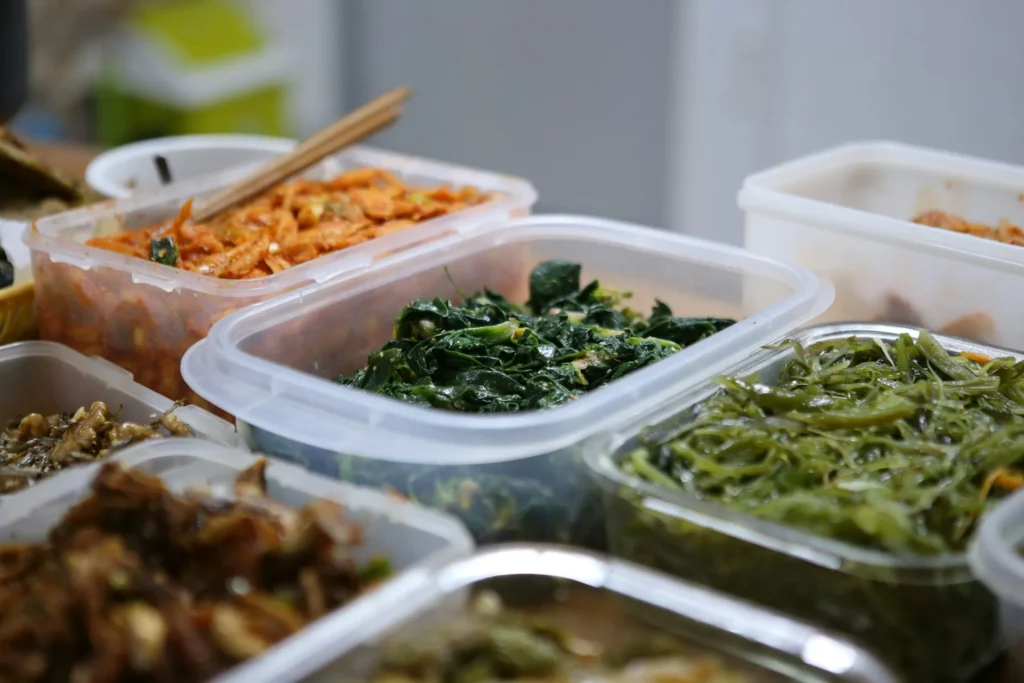
You probably love a good recipe. Most people do. The colors. The steps. The promise of a great meal at the end. But here’s the quiet truth no one really talks about. Cooking is only half the job. What happens after matters just as much. Maybe more. You cook, eat, feel proud, then stack leftovers into the fridge using whatever is nearby, random bowls, old takeaway packs, food packaging boxes that may or may not match. Days later, the food is forgotten. Spoiled. Thrown out. And suddenly that great recipe doesn’t feel so great anymore.
Cooking Is Only Half the Story
When you finish cooking, the story doesn’t end. It pauses. The rest of it happens later. At lunch the next day. Or two nights after. Or during a rushed morning when you’re grabbing something quick. You might think that once the dish is on the table, you’ve done the hard part. But in reality, what you do next determines whether your effort actually lasts.
If food isn’t stored well, it loses its value fast. Taste fades. Texture changes. Motivation disappears. That perfectly seared chicken? It’s now rubbery in the fridge. The fresh salad you were proud of? Wilted before you even get to enjoy it.
And just like that, the satisfaction from cooking slips through your fingers. You stop looking forward to eating what you already made. Instead, you might find yourself reaching for a frozen meal or ordering takeout. Again.
Good organization keeps the effort you already put in from going to waste. It protects your time. And your energy. It’s the invisible step that decides whether your cooking wins or fails. When you start thinking of storage as part of the recipe itself, you realize that every dish deserves a plan beyond the plate.
How Disorganization Quietly Wastes Food
Food waste rarely feels dramatic. It’s quiet. A container pushed to the back. A lid you can’t find. A smell that tells you it’s too late.
You didn’t mean to waste that food. No one does. But clutter makes forgetting easy. When your fridge feels chaotic, your brain checks out. You stop tracking what’s inside. You avoid opening it for ideas.
And slowly, food becomes something you react to, not something you manage. That’s when waste creeps in. One small toss at a time.
The Psychology of Seeing What You Have
Here’s something simple but powerful. You eat what you see.
When food is visible and organized, it feels usable. Available. Almost inviting. When it’s buried under layers of confusion, it feels like work.
Clear systems reduce decision fatigue. You don’t have to think so hard. You open the fridge and know what’s there. That sense of control changes how you eat. You snack less mindlessly. You plan better without even trying.
Organization isn’t about being neat. It’s about mental clarity. And yes, it helps your appetite too.
Busy Lives Need Systems, Not Perfection
You don’t need a magazine-ready kitchen. Really. Life is busy. Work runs late. Kids get hungry early. Plans change.
What you need are systems that work even on tired days. Simple ones. Repeatable ones.
Portioning meals ahead of time. Grouping similar foods together. Storing items so they’re easy to grab, not stacked like a puzzle. These things save minutes. And stress.
Perfection asks for effort. Systems give effort back.
Small Storage Decisions That Make a Big Difference
Little choices add up. Where you place leftovers. How you separate wet from dry foods. Whether you store meals in single portions or one big container.
These decisions affect freshness. And convenience. And whether you’ll actually eat the food later.
When meals are easy to access, you’re more likely to choose them. When they’re sealed well, they last longer. When they’re organized, they feel intentional.
That’s how food stops feeling like clutter and starts feeling like support.
Conclusion
Recipes get applause. The organization does the work quietly. When your food is stored with care, eating well feels less forced. You waste less. You stress less. You rely less on last-minute choices. It all flows better. You don’t need fancy tools. You need habits that respect the food you already have. Habits that make tomorrow easier than today. And sometimes, it really comes down to small things. Like choosing the right storage approach. Or having disposible food containers with lids that help keep meals fresh and easy to carry without turning your kitchen into chaos.



A little discussion goes a long way.
Ask a question, share your experience, or help someone find an answer.
There is room for your perspective.
No discussions match this view yet.
Your voice belongs here
Keep it useful. Keep it kind.