
The dominant language of AI video prompts is English. The dominant language of global e-commerce is increasingly English-first on platforms like Amazon, Shopify, and social media marketplaces. For millions of sellers, artisans, and creators whose native language is not English, this creates a quiet friction: the creative vision lives in one language, but the prompt that unlocks it must be written in another.
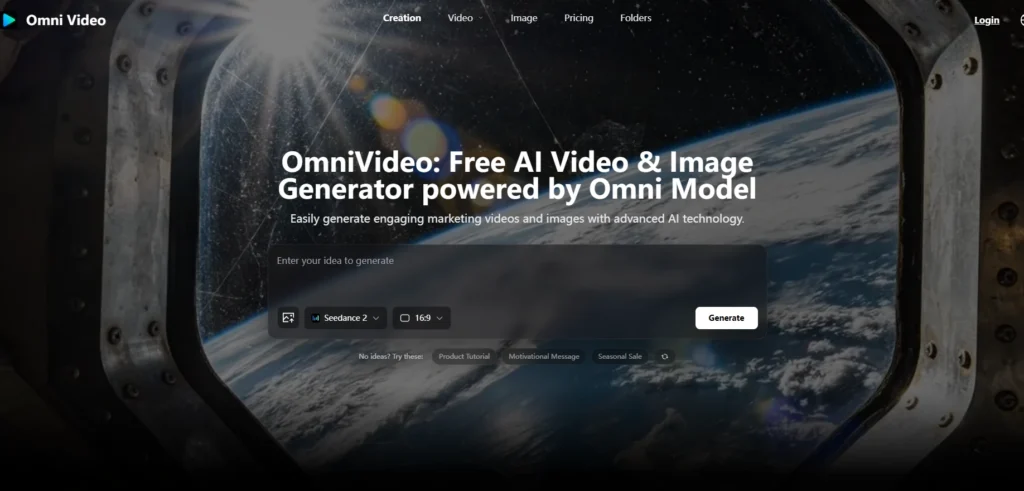
I wanted to understand whether a non-English-speaking seller could bridge that gap using nothing more than a translation tool and a browser-based AI video platform, without hiring an English copywriter or a bilingual video producer. I tested that exact workflow using Omni Video, a platform that accepts text prompts and reference images to generate short marketing videos.
The official page lists multiple AI models and confirms that all generated content carries commercial usage rights. For a seller in Tokyo, São Paulo, or Milan trying to reach English-speaking buyers, that combination of accessibility and licensing clarity matters.
- The Workflow That Connects a Native-Language Idea to an English-Output Video
- Translate Your Creative Brief Into a Concrete English Prompt
- Generate and Assess the Output Through a Cultural Lens
- Select and Download the Video That Speaks to Your Buyers
- Three Seller Profiles That Test the Language Gap
- A Japanese Crafts Seller Preparing Amazon US Product Videos
- A Latin American Food Brand Entering US Social Media
- A European Tech Startup Pitching to English-Speaking Investors
- The Gaps That Translation Cannot Fully Close
The Workflow That Connects a Native-Language Idea to an English-Output Video
The three-step process remains unchanged: input, generate, choose. But for a non-English speaker, each step involves an additional layer of translation and cultural judgment. The workflow is not just about converting words; it is about making sure the visual result still communicates the right message to the right audience.
Translate Your Creative Brief Into a Concrete English Prompt
The first step asks for a text description or a reference image. When the user’s native creative language is not English, the text path requires an intermediate step: drafting the creative concept in the user’s first language, then translating it into a precise English prompt.
How Translation Tools Handle Visual Prompt Writing
I tested a range of common translation approaches: a direct copy-paste from a major translation engine, a manually refined translation after machine output, and a prompt originally written in simple, non-native English.
The prompts that underwent a quick human review after machine translation consistently performed better than raw machine output. Translation engines occasionally introduced unnatural phrasing or lost specific visual cues that the model needed.
For example, a Japanese concept describing “morning light filtering through paper screens” translated literally sometimes omitted the crucial material reference that made the visual specific. A brief manual check to restore words like “paper,” “wood,” or “soft shadow” improved the generated output noticeably. This review step added only a few minutes per prompt but made a meaningful difference in how closely the video matched the original creative intent.
Using a Reference Image to Reduce Language Dependency
For sellers who found English prompt writing too uncertain, the image-to-video path offered a powerful workaround. By uploading a product photograph, the seller could bypass language entirely for the subject definition and rely on the platform’s visual understanding.
Adding a short English phrase like “gentle rotation, warm lighting” alongside the image was often enough to guide the motion style. This hybrid approach, image plus minimal English cue, proved to be the most reliable path for users with limited English confidence. The product stayed recognizable, and the motion cues were simple enough that even a basic translation got them right.
Generate and Assess the Output Through a Cultural Lens
After initiating generation, the user reviews a batch of video options. For a non-English seller targeting an English-speaking market, this review step requires more than technical quality checks. It requires asking whether the generated scene feels culturally natural to the target audience.
Spotting Visual Details That May Not Translate Culturally
In one test, I generated a scene for a tea product using a prompt translated from Chinese. The generated video showed the tea being poured into a ceramic cup, which was culturally appropriate for the intended market. In another generation, the AI placed a product that was originally designed for a specific cultural context into a setting that felt generically Western, which could either help localization or erase brand identity, depending on the seller’s goals.
The batch approach helped here: with several options generated from the same prompt, I could select the one where the cultural setting best matched the brand’s story. The platform itself does not make localization judgments; it simply generates. The seller’s cultural knowledge becomes the curation filter.
Select and Download the Video That Speaks to Your Buyers
The final step is selection and download. For a non-English seller, this is the moment where the original creative brief meets the generated English-market output. The goal is to pick the clip where the product looks its best and the scene feels right for the target customer.
Pairing the Video With Native-Language Caption Strategy
The generated video carries no on-screen text by default, which is actually an advantage for multilingual sellers. The same video clip can be paired with captions in the seller’s native language for local social media and with English captions for international platforms. The visual asset remains the same; only the accompanying text changes. This reusability multiplies the value of each generation, especially for sellers operating across multiple markets with different language requirements.
Three Seller Profiles That Test the Language Gap
To understand where the language-barrier workflow succeeds and where it strains, I tested across three distinct seller scenarios that represent common global e-commerce profiles.
A Japanese Crafts Seller Preparing Amazon US Product Videos
Japanese artisans selling on Amazon.com often face a dual challenge: their product photography may be beautiful, but turning it into the short video clips that Amazon product pages increasingly feature requires both video production capability and English-language marketing copy.
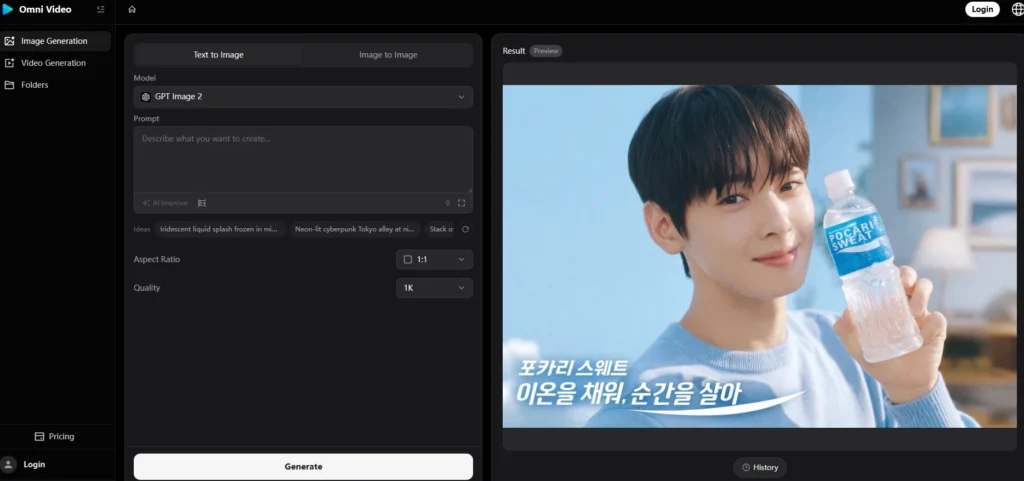
The Test Task: Use a translated Japanese product description to generate an English prompt, then produce a short product video suitable for an Amazon listing. Supplement with a reference product image.
The Difficulty: Japanese product descriptions often emphasize texture, material origin, and craft philosophy in ways that do not translate literally into the concrete visual language that AI video models interpret best. The translation step risks losing the very qualities that make the product distinctive.
What the Platform Produced: When I combined a carefully translated prompt that preserved material-specific words like “walnut wood,” “hand-applied lacquer,” and “soft matte finish” with an uploaded product photo, the generated videos captured the product’s material quality convincingly.
The motion remained subtle and product-focused, which suited an Amazon listing context. When the prompt was a raw machine translation that rendered those material terms more abstractly, the output became more generic. The difference was visible: specific material language led to specific-looking outputs.
The image-to-video hybrid approach, pairing a clean product shot with even a simple English phrase, proved to be the safer route for sellers who did not want to gamble on translation quality.
Who This Serves Best: Sellers on global marketplaces who already have approved product photography and need to generate platform-compliant video assets without hiring an English-speaking production team.
A Latin American Food Brand Entering US Social Media
Packaged food brands expanding from Latin America into the US market need social media videos that appeal to American consumers while staying true to the brand’s origin story. The challenge is partly linguistic and partly visual: the video needs to feel authentic, not like a clumsy translation.
The Test Task: Take a Spanish-language brand concept and translate it into an English prompt for generating Instagram and TikTok videos. Evaluate whether the generated output feels culturally natural for a US audience.
The Difficulty: Food visuals carry strong cultural signals. A video that feels too generic may fail to communicate the brand’s heritage. A video that relies on stereotypes may feel inauthentic. The prompt must walk a line between specific and accessible.
What the Platform Produced: Prompts that described specific food presentation details, such as “a colorful ceramic bowl of fresh salsa with visible cilantro and diced tomatoes, natural sunlight on a rustic wooden table, slow overhead pan,” produced clips that looked appetizing and culturally appropriate.
The AI did not introduce cultural mismatches like pairing the food with obviously wrong tableware or settings. Across the generation batch, some clips emphasized the food’s freshness, others the setting’s warmth. Selecting the one that best matched the brand’s desired tone was a straightforward curation exercise. The platform did not try to localize the food’s appearance; it simply rendered what the prompt described.
Who This Serves Best: Food and beverage brands entering English-speaking markets who need to produce social media video content that communicates product appeal without an on-the-ground production team in the target country.
A European Tech Startup Pitching to English-Speaking Investors
Early-stage startups often need pitch deck videos, product demo teasers, and explainer snippets to send to investors. When the founding team’s working language is not English, producing those assets in polished English can become a bottleneck.
The Test Task: Generate a short product demo teaser from a text prompt originally written in French and translated to English, simulating a startup founder preparing investor outreach materials.
The Difficulty: Tech product demos require accuracy. The video must show something that plausibly looks like the product being described. A vague or mistranslated prompt could produce a video that confuses rather than clarifies.
What the Platform Produced: For a hypothetical software dashboard concept, I used a translated prompt describing “a clean digital interface on a laptop screen, data visualizations updating smoothly, modern office background blurred, slow focus pull.”
The generated videos showed a laptop with screen content that suggested data and dashboards without rendering specific legible text, which for an early-stage pitch is an acceptable level of abstraction. The clips communicated the idea of a working product without claiming to show the actual interface.
For a founder who needs to communicate product vision before the UI is finalized, this abstraction level works. For a founder who needs to show a specific, pixel-accurate interface, the approach would fall short.
Who This Serves Best: Founders raising pre-seed or seed rounds who need to communicate product concepts visually to English-speaking investors and do not have the budget for a professional demo video production.
The Gaps That Translation Cannot Fully Close
While the workflow of translation plus AI generation proved functional, several limitations surfaced that non-English users should factor into their expectations.
Translation quality directly impacts output quality. A poorly translated prompt does not just read awkwardly; it produces a visibly less relevant video. The platform interprets the prompt literally, so translation errors that change a key noun or omit a lighting cue alter the output. Sellers who cannot review the English prompt with a proficient speaker may need to plan for extra generation rounds.
Cultural nuance lives outside the model’s understanding. The AI generates what the prompt describes. It does not know whether a described table setting looks authentically Mexican, generically Latin American, or vaguely Mediterranean. That judgment belongs entirely to the seller during curation. The platform provides options; the seller provides cultural intelligence.
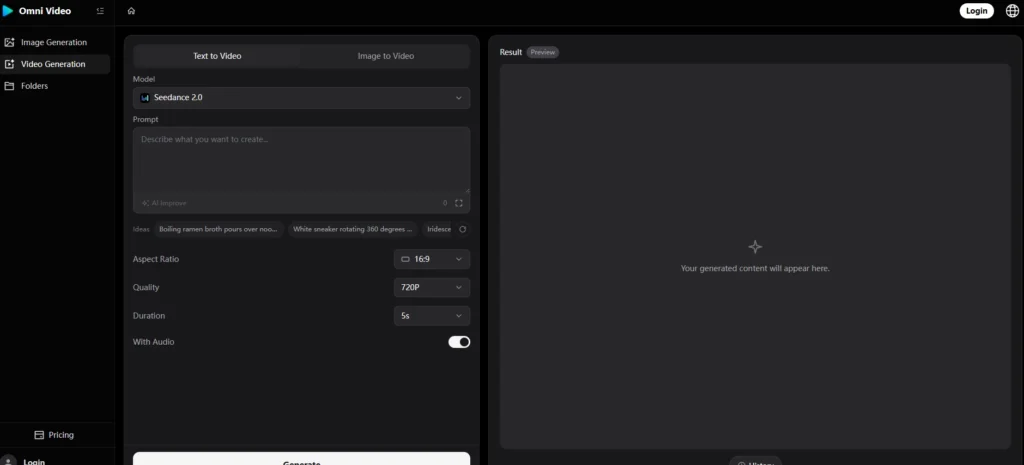
Complex product details still benefit from a reference image. When the prompt alone must carry both language and visual specificity, the cognitive load on the translation step increases. Uploading a product photo reduces that load dramatically. Sellers who have product images should always use them.
Omni Video does not claim to be a localization tool. What it offers is a prompt-to-video pipeline that, when combined with a careful translation step and an honest human review, can produce market-ready video assets for sellers who do not create in English natively. The platform’s support for multiple AI models means that if one engine’s interpretation of a translated prompt feels culturally off, another generation might land closer. The batch-output design becomes a multilingual seller’s ally: it turns the language gap from a single point of failure into a manageable filter. The seller still needs to know their target market. The platform just makes it possible for them to create for it.




A little discussion goes a long way.
Ask a question, share your experience, or help someone find an answer.
There is room for your perspective.
No discussions match this view yet.
Your voice belongs here
Keep it useful. Keep it kind.