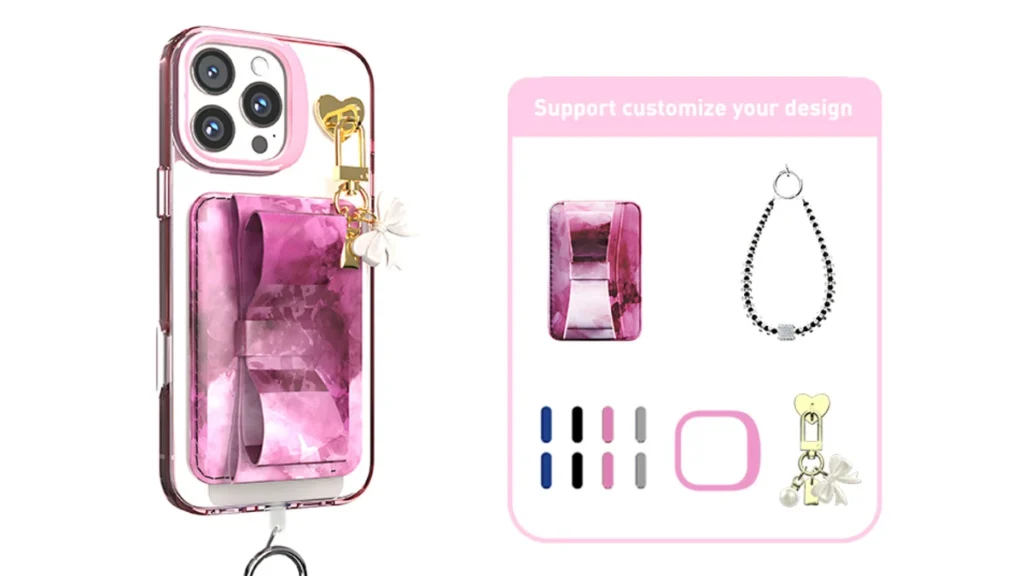
Walk into any phone store and you’ll find rows of identical cases, generic patterns, predictable colors, and designs that thousands of others already own. For those who crave individuality, mass-produced phone cases feel like missed opportunities to showcase personality.
Making your own phone case is way better. It turns something that just protects your phone into a way to show off who you are. Creating your own phone case delivers three compelling advantages: you’ll own something truly unique that reflects your style, save money compared to designer alternatives, and craft an item with genuine emotional significance.
Whether you’re an experienced crafter or a complete beginner, customizing your phone case is surprisingly accessible. This guide walks you through everything from gathering materials to applying professional finishing touches, ensuring your first DIY phone case becomes a source of pride rather than frustration. Ready to turn your phone into a personalized statement piece?
- The Creative Appeal of DIY Phone Case Customization
- Essential Materials and Tools for DIY Phone Covers
- Step-by-Step DIY Phone Case Techniques
- Hand-Painted Masterpieces
- Collage and Decoupage Designs
- Embellishment and 3D Decor
- Photo Customization Techniques
- Design Inspiration for Customizable Phone Cases
- Professional Finishing and Protection Techniques
- Start Your Creative Journey Today
The Creative Appeal of DIY Phone Case Customization
Mass-produced phone cases operate on a one-size-fits-all philosophy that ignores individual taste. You might find a case with colors you like, but the design feels generic. Or perhaps the pattern matches your aesthetic, but the quality disappoints.
DIY customization breaks these limitations entirely. Personal expression becomes the driving force, you control every design element, from color palettes to thematic concepts that resonate with your interests. Financial benefits add practical appeal, as basic, clear cases and craft supplies cost significantly less than premium designer alternatives while delivering superior personalization.
But the best part is that it means something. A teacher could put their students’ art in a case to remember them. Someone who travels could put ticket stubs and photos in their journal to remember their trips.
One creator transformed family recipe cards into a nostalgic kitchen-themed case, honoring her grandmother’s legacy. These projects transcend mere decoration, they become storytelling devices that spark conversations and preserve cherished moments, turning everyday phone protection into deeply personal artifacts.
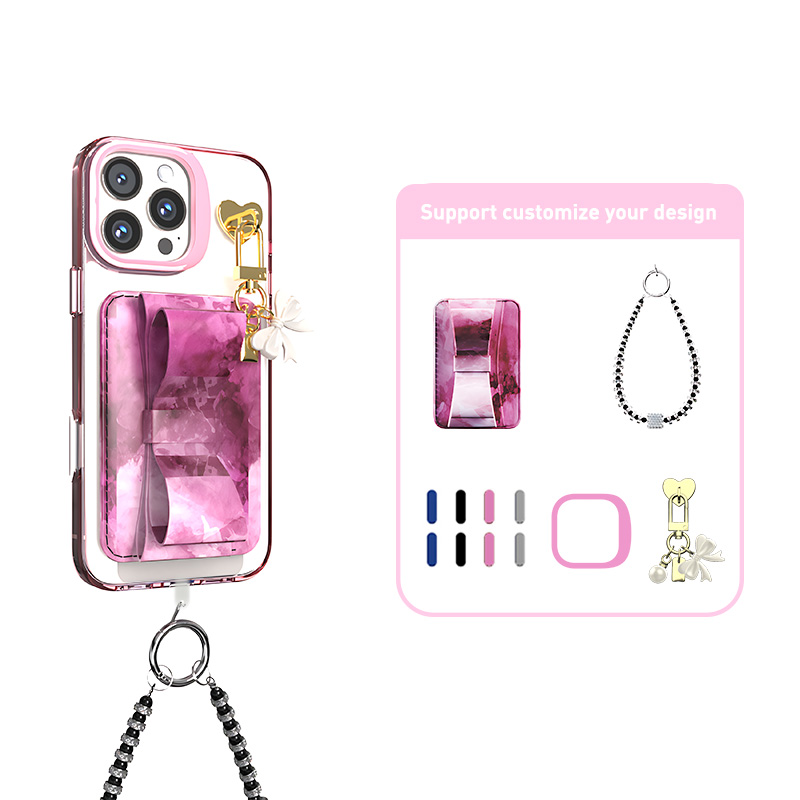
Essential Materials and Tools for DIY Phone Covers
Starting your diy phone case journey requires surprisingly few materials, most available at craft stores or online retailers. Begin with a base clear TPU cases work best for most techniques since they accept paint and adhesives readily, while blank silicone or hard plastic cases suit specific methods like vinyl application.
Some places that sell phone cases sell plain ones made for crafts. That way, you know it’s good and will work with different ways to decorate it. To decorate, get some acrylic paints. They’re bright and last a while. Or get some permanent markers for doing small details.
Adhesive vinyl sheets enable crisp patterns and text, particularly when paired with cutting machines. Fabric scraps, decorative paper, and scrapbooking materials expand collage possibilities. Essential tools include fine-tipped brushes for painting, craft knives with cutting mats for precise trimming, and strong adhesives. E6000 works excellently for embellishments, while Mod Podge serves double duty as glue and sealant for paper projects.
Protective coatings are non-negotiable: clear acrylic spray sealant or UV resin creates waterproof, scratch-resistant finishes that preserve your work. Budget-conscious crafters can substitute household items, clear nail polish replaces specialty sealants in small areas, while printable sticker paper eliminates transfer steps for photo designs.
You can find clear cases and decorations for cheap at dollar stores. Use old magazines for making collages, and try out your painting on cardboard before you do it on your case.
Step-by-Step DIY Phone Case Techniques
Hand-Painted Masterpieces
Successful painted phone cases begin with proper surface preparation. Clean your clear case thoroughly with rubbing alcohol to remove oils and residue, then lightly sand glossy surfaces with fine-grit sandpaper to help paint adhere.
Sketch your design on paper first, then transfer outlines using a pencil directly on the case or work freehand for spontaneous results. Acrylic paints work best; apply thin coats rather than thick layers to prevent cracking, allowing each layer to dry completely before adding details.
Use fine-tipped brushes for precision work and sponges for gradient effects. Once your design is complete and fully dried for at least 24 hours, apply two to three thin coats of clear acrylic spray sealant, waiting 15 minutes between applications. This creates a durable, water-resistant finish that protects your artwork from daily wear.
Collage and Decoupage Designs
Collage techniques transform magazine clippings, decorative napkins, or printed images into cohesive designs. Select lightweight paper materials and arrange them on your case before gluing to finalize your composition.
Cut pieces slightly larger than needed, then trim excess after application for cleaner edges. Apply a thin layer of Mod Podge to the case section, position your paper element, then brush another layer over the top, working from center outward to eliminate air bubbles.
Use a credit card to smooth stubborn bubbles immediately. Build your design in layers, allowing each section to dry before overlapping additional pieces. Once complete, apply at least three coats of Mod Podge over the entire surface, letting each coat dry for 20 minutes. For maximum durability, finish with clear acrylic sealant spray after the Mod Podge fully cures overnight.
Embellishment and 3D Decor
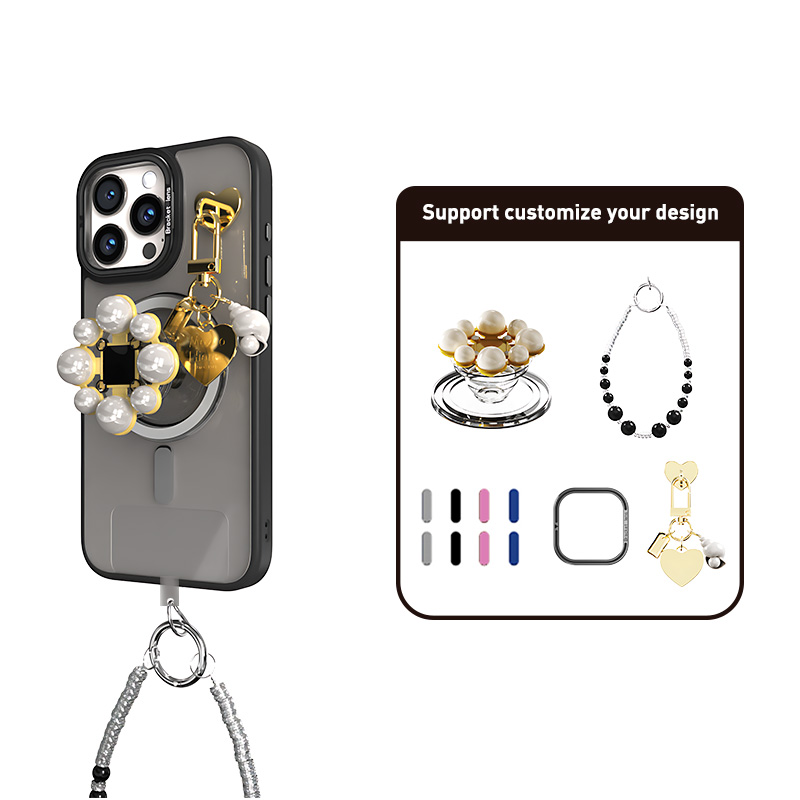
Three-dimensional elements add tactile interest but require strategic placement to maintain functionality. Position embellishments away from edges where cases grip phones and avoid covering camera cutouts or charging ports. Use E6000 adhesive for permanent attachment of rhinestones, beads, or metal charms.
Apply tiny dots with a toothpick rather than flooding surfaces. Clamp or weight embellishments while drying for 24 hours to ensure strong bonds. For fabric wrapping, cut material slightly larger than the case surfaces, apply fabric glue evenly, then wrap tightly, folding edges to the interior and securing with additional adhesive.
Trim excess carefully with sharp scissors. Consider functionality before committing; bulky decorations may prevent wireless charging or make pocketing difficult. Test your decorated case on your phone before final sealing to ensure all buttons remain accessible and the case still fits securely.
Photo Customization Techniques
Photo cases require precise image preparation for professional results. Size your image to match your case dimensions exactly using photo editing software, adding 2-3mm bleed for trimming flexibility. Print on glossy photo paper for vibrant colors or waterslide decal paper for transparent backgrounds.
Cut your image precisely, then apply a thin layer of Mod Podge to the case back, position the photo carefully, and smooth out bubbles. For superior protection and a glass-like finish, UV resin creates stunning results.
Mix resin according to package directions, pour a thin layer over your secured photo, and use a toothpick to guide it to the edges while popping surface bubbles with a lighter held briefly above the surface. Cure under UV light or in sunlight per resin instructions.
Alignment tricks include using removable tape markers on your case edges as guides and testing positioning with your phone inserted before permanent attachment to ensure camera and flash cutouts align perfectly with your image composition.
Design Inspiration for Customizable Phone Cases
Finding your creative direction starts with exploring design themes that resonate with your personality. Nature-inspired cases translate beautifully through pressed flowers sealed under resin, watercolor landscapes, or leaf imprints created with acrylic paint stamps.
Geometric enthusiasts can use washi tape to create clean lines and color-blocked sections, or apply vinyl-cut triangles and hexagons for modern minimalist appeal. Pop culture references allow fans to showcase their passions, hand-letter favorite song lyrics, paint iconic movie scenes, or collage comic book panels for conversation-starting designs.
Seasonal rotation keeps your phone fresh throughout the year: autumn leaves and warm oranges for fall, snowflakes and metallics for winter, floral pastels for spring, and bright tropical motifs for summer.
Occasion-based designs make thoughtful gifts, create birthday cases featuring the recipient’s birth month flowers, anniversary cases with meaningful dates incorporated into geometric patterns, or graduation cases celebrating school colors and achievements.
Personalization elevates any design through monograms painted in elegant script, motivational quotes positioned as daily reminders, or photo collages arranged in creative shapes like hearts or initials. Build a mood board before starting by collecting images, color swatches, and material samples on Pinterest or physical boards, helping you visualize cohesive designs and identify which techniques best achieve your vision.
Professional Finishing and Protection Techniques
The final protective layer determines whether your DIY case survives daily use or deteriorates within weeks. Two primary sealant categories serve different needs: spray sealants like Krylon Crystal Clear or Rust-Oleum provide even coverage ideal for painted or collaged surfaces, while brush-on options such as Mod Podge Outdoor or Liquitex Varnish offer precision control for detailed work.
Spray sealants require multiple thin coats applied in sweeping motions from 12 inches away, with 15-minute drying intervals between layers. Three coats minimum ensure adequate protection. For waterproofing, apply your chosen sealant generously, ensuring complete coverage including edges where moisture penetrates.
UV resin creates the most durable waterproof barrier, but requires careful application to avoid overflow into button openings. Before sealing, test button functionality and port accessibility by inserting your phone, apply painter’s tape over openings you need to keep clear, removing it immediately after spraying while sealant remains tacky.
For scratch resistance, consider finishing with a final coat of polyurethane-based sealant after initial layers cure fully. Allow completed cases to cure for 72 hours before regular use, ensuring chemical bonds fully strengthen for maximum durability against scratches, moisture, and daily handling.
Start Your Creative Journey Today
DIY customizable phone cases deliver far more than protective functionality, they provide creative outlets that celebrate individuality while saving money compared to premium alternatives. Throughout this guide, you’ve discovered how simple materials transform into personalized accessories through painting, collage, embellishments, and photo techniques.
Each method offers unique possibilities for expressing your style, commemorating meaningful moments, or crafting thoughtful gifts that carry genuine emotional weight. The beauty of DIY customization lies in its accessibility; beginners achieve impressive results with basic supplies and patience, while experienced crafters push boundaries with advanced resin work and intricate designs.
Your first project doesn’t need perfection, it needs personality. Start with a technique that excites you, gather your materials, and embrace the creative process. Mistakes become learning opportunities, and even imperfect cases tell stories about your artistic journey.
Share your finished creation with friends or online communities to inspire others and discover new techniques. Your phone accompanies you everywhere, so shouldn’t its case reflect the creativity and uniqueness you bring to the world? Pick up that clear case and start designing today.