
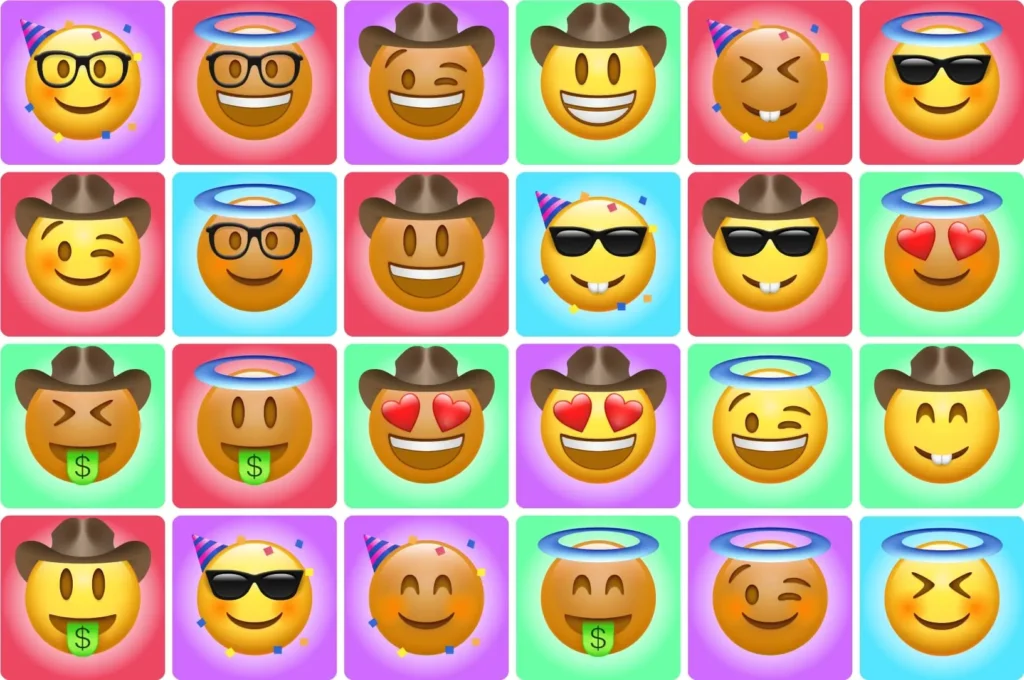
Creating a 10,000 NFT collection is not just a matter of making thousands of images and uploading them to a blockchain. A collection of that size requires planning, organization, artistic consistency, and technical preparation. The strongest collections are usually built like systems rather than one-off artworks. Each piece may be unique, but the collection as a whole needs a coherent identity.
A large NFT project often succeeds or fails before minting even begins. The visual concept, the trait structure, the rarity logic, the metadata, and the quality control process all have to work together. If one part is weak, the entire collection can feel repetitive, disorganized, or rushed. That is why the process should begin with strategy rather than production.
Start With a Strong Concept
Before creating any assets, it is important to define the collection’s core idea. What is the world behind the characters or objects? What visual rules hold the collection together? Why would someone instantly recognize one item as belonging to your project?
A 10,000-piece NFT collection usually needs a base model or central template. This could be a character, creature, robot, skull, avatar, vehicle, or another repeatable subject. The best choices are simple enough to support many variations, but distinctive enough to remain memorable. If the base is too complicated, it becomes difficult to generate thousands of combinations that still look clean and balanced.
The concept should also account for long-term sustainability. If the entire appeal of the collection depends on one gimmick, it may struggle to hold attention. A better approach is to create a visual universe with enough flexibility for rare items, thematic expansions, and collector interest.
Build the Collection Around Traits
Most large NFT collections are assembled from layers or traits. Instead of drawing 10,000 finished pieces individually, creators build a system of interchangeable parts. These parts may include backgrounds, bodies, eyes, mouths, hats, clothing, accessories, props, or special effects. By combining them in different ways, the collection produces unique outputs at scale.
This stage requires discipline. Every layer must share the same dimensions, alignment, and file structure. If a hat sits too high on one base or an accessory overlaps incorrectly with another item, those small issues become major production problems once multiplied across thousands of outputs.
Naming also matters. Files should be clearly labeled and grouped into well-organized folders. Trait names should remain consistent from art creation through metadata generation. Messy file structures often lead to missing assets, attribute mismatches, or duplicated combinations later in the process.
Plan Rarity Before You Generate Anything
Rarity should never be an afterthought. In a well-built collection, rarity is part of the design process from the beginning. Common traits define the visual identity of the project, while uncommon and rare traits create excitement and variation.
That does not mean every rare trait needs to be flashy. Sometimes rarity works best when it feels tasteful or meaningful within the collection’s world. A rare trait should still belong to the same artistic language as everything else. If it feels disconnected or poorly integrated, collectors will usually see it as random rather than valuable.
It is also important to avoid artificial rarity that adds no visual or conceptual value. A trait being scarce does not automatically make it interesting. In strong collections, rarity supports character, storytelling, or aesthetic appeal.
Use a Generation Workflow That Reduces Errors
At the point where the art layers are ready and rarity has been planned, the next challenge is assembling the collection efficiently. Since manually creating ten thousand combinations is impractical, creators usually rely on automation. A well-organized nft generator can help handle layered image output and metadata creation while following the structure you have set.
The real value of automation is not just speed. It also helps reduce duplicate outputs, manage rarity distribution, and enforce compatibility rules. For example, some accessories may not work with certain hats, or specific effects may need to be limited to a few backgrounds. These restrictions should be set in advance so the generated results feel intentional rather than chaotic.
Automation is only as good as the preparation behind it. If the layers are inconsistent or the rules are unclear, the final output will still contain avoidable mistakes.
Review the Collection for Quality
This is one of the most overlooked steps in the process. Even when the collection is technically unique, it may still contain weak combinations, awkward overlaps, or items that simply do not look good. That is why review matters.
A proper quality control stage should include checking for visual collisions, duplicate-feeling outputs, unreadable traits, strange color combinations, and metadata mismatches. It is also useful to review the collection in batches rather than only one image at a time. Patterns become easier to spot when many outputs are viewed together.
A 10,000 NFT collection should feel varied without becoming inconsistent. If too many pieces look almost the same, the collection can feel inflated. If too many look bizarre or unbalanced, it can feel random. Quality control helps protect against both problems.
Create Clean Metadata
Metadata is the structural backbone of an NFT collection. It tells marketplaces and collectors what each item contains. Usually, metadata includes the token name, description, image reference, and a list of attributes.
Good metadata should be consistent, readable, and accurate. Trait names must match the artwork exactly. Category names should stay uniform. A project that mixes different naming styles can look unprofessional and make the collection harder to understand.
This part may seem administrative, but it strongly affects presentation. Collectors often browse collections by attributes, rarity, and visual themes. Clean metadata makes that possible and improves the overall experience of interacting with the project.
Think Beyond the Artwork
A collection is more than its images. Once the files are ready, creators still need to think about hosting, contract deployment, mint structure, reveal timing, and supply presentation. Some projects launch with placeholder art and reveal later. Others mint fully revealed items from the start. Each approach shapes how collectors experience the release.
It is also worth asking whether 10,000 is truly the right size. A collection should not be large just because that number has become common. If the system only produces a few thousand strong combinations, then forcing it to reach ten thousand may lower the overall quality. The goal is not to hit a number at any cost. The goal is to build a collection that feels complete, coherent, and worth exploring.
Final Thoughts
Making a 10,000 NFT collection is really about building a repeatable visual system with enough depth to remain interesting at scale. The art matters, but so do the structure, rarity design, metadata, and review process. A successful collection usually feels planned from the inside out. Every piece may be different, but none of them should feel accidental.
When creators approach the process with strong organization and clear design rules, a large collection becomes much more than mass-produced art. It becomes a carefully built set of digital assets with identity, variety, and consistency.
If you want, I can also turn this into a more blog-style version with a stronger intro hook and a more editorial tone similar to niche gaming/tech sites.



A little discussion goes a long way.
Ask a question, share your experience, or help someone find an answer.
There is room for your perspective.
No discussions match this view yet.
Your voice belongs here
Keep it useful. Keep it kind.