

Marketing has always pursued one thing: relevance and genuine connection. It’s the discipline of placing the right message before the right mind at the precise moment it will land. This principle has continually reshaped brand communication.
Today, innovative printing technology sits at the center of that evolution. It dismantles the rigid system of traditional print marketing and the limitations of screen printing, replacing it with something more adaptive – fluid, individualized, and far more potent. Simply put, modern workflows rely on a digital printer that works directly from digital files.
To see its impact more clearly, it helps to break down how this innovative solution is reshaping modern marketing:
Personalizing Marketing Campaigns at Scale
For decades, print marketing operated on a simple trade-off: the more copies you printed, the cheaper each piece became. That model worked fine when mass messaging was the goal, but it left no room for individual relevance.
Digital print processes break that constraint entirely, opening the door to a more adaptive approach. Variable Data Printing (VDP) now enables true personalization at scale. It allows marketers to adjust text, images, and offers on each individual piece. This can be done across thousands of prints without slowing production or increasing cost.
In practice, marketing materials can now reflect the person receiving them. For one, a retailer can send personalized product guides to past purchases. A nonprofit, on the other hand, can vary donation amounts and messages based on each donor. This kind of personalization used to live in digital channels like email campaigns. Now it exists in print too, and it feels far more tangible when it’s physical.
To execute this, it’s best to work with printing experts like A Team Printing. Check their services in variable data printing for customized marketing campaigns. You can also get design tips to help ensure your materials are both consistent and aligned.
Breaking the Delay Barrier in Production Timelines
It’s no secret that traditional offset printing is built around time-heavy stages that slow everything down. Printing plates must be created, colors carefully calibrated, and minimum order quantities met before a single flyer reaches a mailbox.
Because of that, marketers and business owners learned to plan campaigns months in advance. Messaging was often locked in long before the market had a chance to shift. And this approach created a fixed system where adjustments were difficult once production was set in motion.
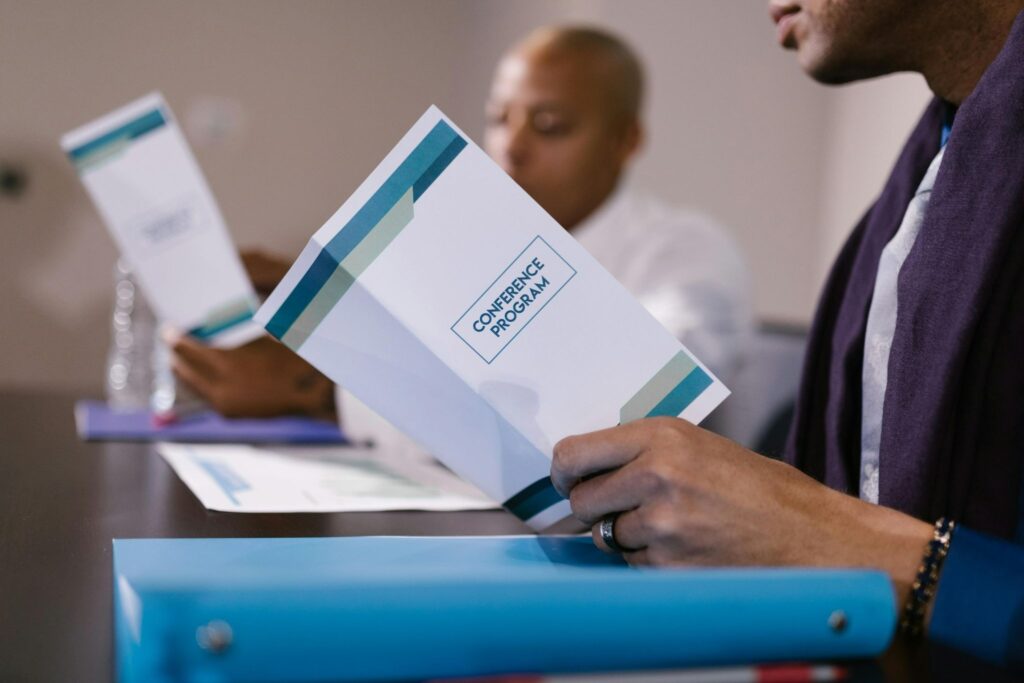
Fortunately, short-run printing powered by inkjet technology is now fast and economically viable. That means you can:
- Produce 500 brochures for a regional event
- Measure real audience response in a short timeframe.
- Refine and adjust messaging before producing the next batch
The quality has also kept pace with expectations. Modern digital presses deliver sharp resolution, vibrant color accuracy, and premium finishes that rival offset output. Speed no longer has to come at the expense of a polished, professional result.
Making Multichannel Campaigns More Cohesive
Print and online marketing have often lived in separate worlds, with different budgets, teams, and timelines. The digital printing industry is helping close that gap. Through tools like QR codes, personalized URLs (PURLs), augmented reality triggers, and even emerging 3D printing applications for physical promotional assets, digital elements can now be embedded directly into printed materials.
These materials can also maintain high-resolution images, ensuring sharp and professional visuals across both print and digital touchpoints.
For example:
- Postcards that direct recipients to personalized landing pages
- Retail catalogs that unlock product videos when scanned
- Event flyers that connect users to registration pages instantly
- Printed ads that lead customers to limited-time online offers
These connections allow marketers to track print engagement with a level of precision that was once thought impossible. And once that bridge is established, physical and online experiences begin to work far more in sync.
Expanding Creative Possibilities for Brand Storytelling
When every brand is shouting for attention, the real challenge becomes making people stop and look twice. Some business owners struggle to make their marketing materials feel distinctive enough to cut through constant noise. In fact, studies show that 22% of small business failures are linked to ineffective marketing.
If you’re in that situation, digital printing technology opens up new possibilities. It offers creative options that were once expensive or difficult to produce, including:
- Specialty finishes like spot UV coating
- Soft-touch lamination
- Metallic ink
- Textured surfaces
Dye sublimation printing is also widely used in modern marketing. It lets brands apply vivid, digital-based images onto fabric, apparel, signage, and promotional items. This creates strong color depth and long-lasting results.
Examples include:
- Trade show booths with fabric backdrops
- Tote bags with detailed printed designs
- Event banners with full-bleed color
- Branded packaging materials, such as product boxes and retail packaging
Creativity in print has always been tied to what the press can do. As digital printing capabilities expand, so does the creative brief. Designers are no longer constrained by what a standard offset press will tolerate. Marketers can now use the physical properties of a printed piece, its weight, texture, finish, and structure, as deliberate storytelling tools.
A premium envelope with a soft-touch finish signals something before it is even opened. This detail may seem small, but in marketing, attention is the scarcest resource there is, and every design choice is either earning it or losing it.
Conclusion
Digital printing technology has now become another great avenue for modern marketing. It gives businesses more freedom to create materials that are fast, flexible, and tailored to their audience, including custom products designed for specific campaigns or customer segments. With its ability to support both creativity and efficiency, it helps brands communicate more effectively across different channels. As it continues to improve, it will remain a valuable tool for building stronger and more engaging marketing efforts.



A little discussion goes a long way.
Ask a question, share your experience, or help someone find an answer.
There is room for your perspective.
No discussions match this view yet.
Your voice belongs here
Keep it useful. Keep it kind.