
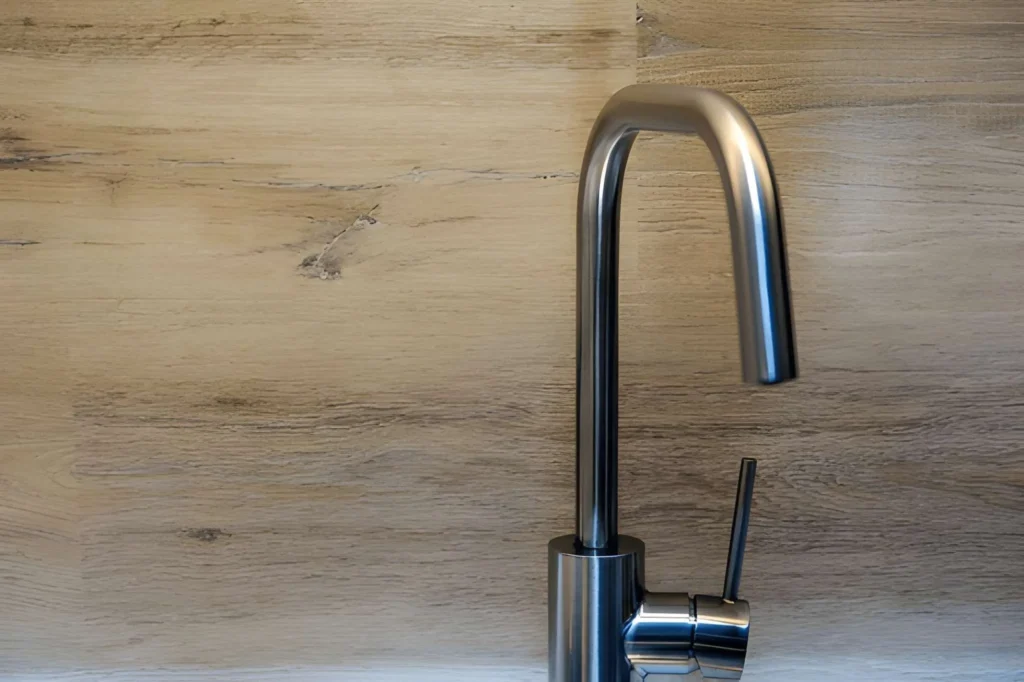
The kitchen faucet is an indispensable part of any kitchen, connecting form and function in a way that impacts both the aesthetic and efficiency of your cooking space. Among the wide range of faucet styles available, bridge kitchen faucets have long been distinguished by their classic charm and practical functionality. This timeless design not only enhances the look of traditional kitchens but also works beautifully in transitional spaces.
While the choice of style is a significant step, the choice of the material to attach your bridge faucet is not any less and may be more significant. Stainless steel, brass, and plastic are the most popular bridge kitchen faucet materials with their own advantages and disadvantages. When you are in need of a faucet that is durable, stylish and performs, stainless steel bridge faucets will be the ultimate winner.
In this blog, we’ll explore the benefits of bridge kitchen faucets, compare materials, and explain why stainless steel is the superior choice compared to brass and plastic options.
- What Are Bridge Kitchen Faucets?
- Key Features of Bridge Kitchen Faucets:
- Why Material Matters for Bridge Kitchen Faucets
- Comparing Stainless Steel, Brass, and Plastic Bridge Faucets
- 1. Stainless Steel
- 2. Brass
- 3. Plastic
- Why Stainless Steel Bridge Faucets Outshine Brass and Plastic
- 1. Stainless Steel Combines Durability with Elegance
- 2. Hygienic and Rust-Free Material
- 3. Versatile Modern Style
- 4. Eco-Friendly and Sustainable
What Are Bridge Kitchen Faucets?
Bridge kitchen faucet is given its name because of the iconic appearance of the product: the faucet handles are joined by a horizontal bridge pipe that is followed by the spout. The design gives the opportunity to use hot and cold water on both sides and the spout in the center provides the accuracy of the water flow and its balance.
Key Features of Bridge Kitchen Faucets:
- Classic Style: Bridge faucets are based on the traditional styling, adding to your kitchen the feeling of elegance and nostalgia.
- Dual-Handle Control: Independent Handles allow you to control the hot and cold water individually to get an accurate temperature.
- Multipurpose Styling: Although it suits traditional and farmhouse-based kitchens, the contemporary ones with smooth finishes can fit into transitional or industrial environments.
- High-Arch Spout: The high-arc offers a wide clearance area to wash big pots, pans and sink basins.
The beauty of a bridge faucet is in its design, and the material in which it is made guarantees that beauty which is combined with durability and usefulness.
Why Material Matters for Bridge Kitchen Faucets
The material of a faucet will make it stronger or weaker, less or more resistant to corrosion and scratches, and match better or not to the design of your kitchen. Bridge kitchen faucets become a long term investment and an appropriate material choice can result in either decades of dependable performance or to a constant replacement and repair process.
Let’s compare stainless steel, brass, and plastic bridge kitchen faucets to identify the best option.
Comparing Stainless Steel, Brass, and Plastic Bridge Faucets
1. Stainless Steel
Durability
Stainless steel is one of the most durable materials available. It is also tough against dents, scratches and corrosion hence can be used in the kitchen where there are exposed faucets therefore subjected to wear and moisture.
This is because the stainless steel has an element of chromium that is naturally resistant to rust even in the wet or humid environment.
Low Maintenance
Stainless steel surfaces are smooth, non-porous, and easy to clean.
Fingerprints, water spots, and smudges can be minimized with a brushed or matte finish.
Modern Versatility
While bridge faucets are more inclined towards the traditional design, the sleek, industrial style of stainless steel enables these faucets to merge perfectly in the modern and transitional kitchen designs.
The finishes of stainless steel are ideal with other stainless steel appliances such as refrigerators, ovens and dishwashers.
Eco-Friendly
Stainless steel is 100% recyclable, making it a sustainable material for eco-conscious homeowners.
Drawbacks
Upfront cost may be higher than plastic or some brass options, making it an investment.
2. Brass
Timeless Elegance
Brass faucets exude warmth, luxury, and sophistication. The traditional or antique look of the kitchen has made brass popular in such cases, due to its golden appearance and an old-fashioned look.
Durability
Brass is naturally durable and resistant to cracking, although it needs protective finishes like chrome or nickel to prevent corrosion or tarnishing.
Finish Options
Brass faucets are available in polished finishes, brushed finishes and antique finishes, which is highly versatile in traditional kitchens.
Drawbacks
Maintenance: Brass has to be cleaned and polished regularly to avoid tarnish or discolouring with time. In the absence of a good treatment, the shiny effect of brass may be lost and a dull appearance is acquired.
Corrosion Potential: As with the brass faucets, when left unchecked, they corrode when they are exposed to water over a long duration when their protective coating is removed.
Cost: Brass faucets are usually costly compared to stainless steel particularly when it comes to fancy or antique styles.
3. Plastic
Cost-Effective
Plastic faucets are incredibly affordable, making them appealing on a budget.
Lightweight
Easy to install and handle due to their lightweight composition.
Rustproof
Unlike metal materials, plastic is immune to rust, although it offers little else in terms of durability.
Drawbacks
Poor Durability: The plastic faucets are likely to crack, chip and fade away with time, particularly when they are used intensively or in a hot environment.
Aesthetic Limitations: Although plastic faucets can replicate the appearance and feel of metal, they do not always replicate the upscale appearance and feel of brass or stainless steel.
Short Lifespan: The endurance of plastic bridge faucets is not as robust as that of stainless steel or brass faucets, and thus they require constant replacement.
Why Stainless Steel Bridge Faucets Outshine Brass and Plastic
1. Stainless Steel Combines Durability with Elegance
Stainless steel offers performance with the necessary time without the hassle of continuous repairs as it is done in the case of brass. It is tough enough to withstand dents and scratches and still retains its shiny appearance even in the hectic kitchens. Stainless steel can be used in your faucet on a daily basis or on special occasions, in any case, the performance of the product guarantees decades of use.
2. Hygienic and Rust-Free Material
Stainless steel is resistant to rust and corrosion in nature and hence it is the best material to use in the kitchen where exposure to water is inevitable. Its non porous top does not give a chance to the bacteria or dirt to cling onto it, so your faucet is always clean and safe to use when preparing some food. Although it is durable, brass will wear out and corrode after shedding its protective coating and so it has to be polished repeatedly in order to maintain the shine.
3. Versatile Modern Style
The smooth surface of stainless steel fits well with almost any type of kitchen, be it traditional, transitional or modern. It also goes well with stainless steel appliances to create a harmonious, elegant appearance. On the contrary, brass would better fit into the kitchen of a vintage or farmhouse, whereas plastic would never give the high-end appearance to even a mid-range design.
4. Eco-Friendly and Sustainable
As a completely recyclable material, stainless steel is the most eco-friendly option for bridge faucets. It offers long-term value and sustainability, whereas brass is slightly less green, and plastic leaves a much larger environmental footprint due to its contribution to waste.
When choosing a bridge kitchen faucet, material matters far more than style alone. While brass can bring luxury and vintage warmth to your kitchen and plastic is a budget-friendly solution, stainless steel bridge faucets rise above with unmatched durability, hygienic qualities, eco-friendliness, and modern versatility.





A little discussion goes a long way.
Ask a question, share your experience, or help someone find an answer.
There is room for your perspective.
No discussions match this view yet.
Your voice belongs here
Keep it useful. Keep it kind.