
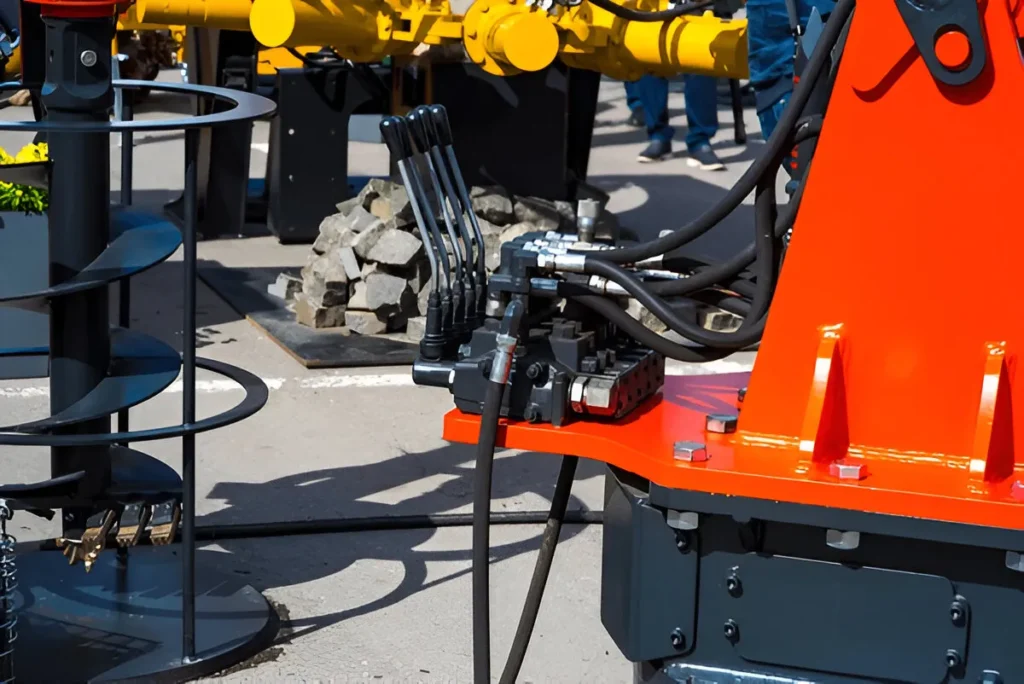
Digging and excavation work has remained, for centuries, an arduous task that is accompanied by hazards and dangers of destroying underground pipelines and wires. Conventional techniques are so intrusive and time-consuming, resulting in prolonged shutdowns and increased safety risks.
Technological advances over the past few years have led to more advanced yet less disruptive methods being brought to the forefront. One such method, which has transformed the industry, is vacuum excavation. The process is more controlled, safer, and highly efficient compared to the typical mechanical digging technique.
- Understanding Vacuum Excavation
- The Safety Advantages
- Efficacy and Efficiency
- Environmental Considerations
- The Technological Edge
- Applications Across Industries
- The Role of Skilled Operators
- Meeting Regulatory Standards
- Adapting to Urban Environments
- Ongoing Developments
- Conclusion
- Embracing the Future of Digging
Understanding Vacuum Excavation
Vacuum excavation (also known as suction excavation or hydro excavation, where water is used during the operation) is a high-tech method that uses high-pressure air or water, or both, to loosen soil and extract it using a heavy vacuum into a debris tank.
Such an exact technique reduces the risk of causing harm to underground services, such as pipelines and cables, which can be very unpredictable with traditional digging methods.
The Safety Advantages
Among the greatest advantages of vacuum excavation, the safety profile is of great concern. Conventional trenching methods, such as the use of equipment like backhoes and diggers, may unintentionally cut utility lines, which can have disastrous consequences.
By comparison, there is sensitivity required for vacuum excavation, which minimizes the chances of utility strikes. Carefulness in avoiding underground hazards with extreme caution is crucial in ensuring that the excavation is a secure area.
Efficacy and Efficiency
Moreover, the process of excavation using vacuum excavation is quicker. There is relatively little backfilling, compaction, and restoration of the surface, as is usually seen with wider excavation methods, because this method can focus precisely where the excavation is needed.
Environmental Considerations
The realization of the environmental effects of the excavation work is ongoing. Traditional mining can cause damage to the ground and result in the loss of natural habitats. Vacuum extraction is less invasive, minimizing the footprint of the excavation area and allowing for the maintenance of external vegetation and root systems.
The Technological Edge
Research and development of excavation technology have led to vacuum excavation being at the forefront of the best digging techniques available today. The current top-of-the-line equipment not only features excavation mechanisms but also GPS systems for more accurate location work, as well as onboard systems that map utilities in real-time.
Applications Across Industries
Vacuum excavation has been utilized in a wide range of industries. Whether it is construction to telecommunications, and gas and water utilities maintenance to archaeological excavations, in both cases, the lower chance of damaging the utility means cost savings, as the following damages and repairs (which are in many cases strongly connected to the step of using traditional excavation) are mostly eliminated.
The Role of Skilled Operators
While the technology of vacuum excavation is sophisticated, it is impactful to the calculations of highly trained personnel. Training and experience mean that the technology is pushed to its limits; knowing what the soil is made up of, how to use the pressure settings, and how to use the equipment properly is all part of getting the best out of it.
Meeting Regulatory Standards
An augmented tightening of the rules concerning excavation has led to an increase in demand for safer, more responsible excavation strategies. Vacuum excavation is common when regulatory standards require a higher priority for safety underground utilities and ensuring worker safety.
Adapting to Urban Environments
Excavation poses a challenge in urban settings, where numerous utility lines are present; moreover, the claimed working area is often minimal. Areas where vacuum excavation thrives include a low chance of hits, less space consumption, and greater accuracy.
Ongoing Developments
Vacuum excavation is a dynamic sphere as research and development is an ongoing process that can only benefit. Such innovation in the field ranges from stronger vacuum systems to enhanced sensor capabilities, as there are more effective means of understanding underground utilities and any potential obstacles.
Conclusion
Vacuum excavation is one of the cases that have testified to he advancements in the construction and utility sector. Providing a host of benefits, including improved safety, productivity, and environmental sensitivity, as well as the ability to comply with demanding regulatory requirements, the approach to this form of excavation represents a dramatic change in the way excavation was performed in the past, using exclusively mechanical equipment.
Urbanisation is on the rise, and infrastructure is becoming increasingly complex, so the pressure to find accurate and dependable excavation technology will be even greater. Vacuum excavation can fulfill this role.
For the owner of a business or contractor seeking to diversify their excavating supplies with something new to the sector, choosing vacuum excavation is not merely an opportunity for advancement into the market, but a step towards cultivating a more sustainable form of excavation, a future of assured and sound system excavation.
To learn more about the capabilities and services available with this advanced excavation technology, visit vacuum excavation.
Embracing the Future of Digging
As we move forward into a world where accuracy, safety, and responsibility becomes the main priority in the excavating business, vacuum excavation becomes the leader in technological innovation. Using modern techniques, contractors and utility providers protect the workforce, consumers, and the infrastructure they strive to improve and repair.
Vacuum excavation not only addresses modern excavation issues but also invests in a safer and more effective future.





A little discussion goes a long way.
Ask a question, share your experience, or help someone find an answer.
There is room for your perspective.
No discussions match this view yet.
Your voice belongs here
Keep it useful. Keep it kind.