
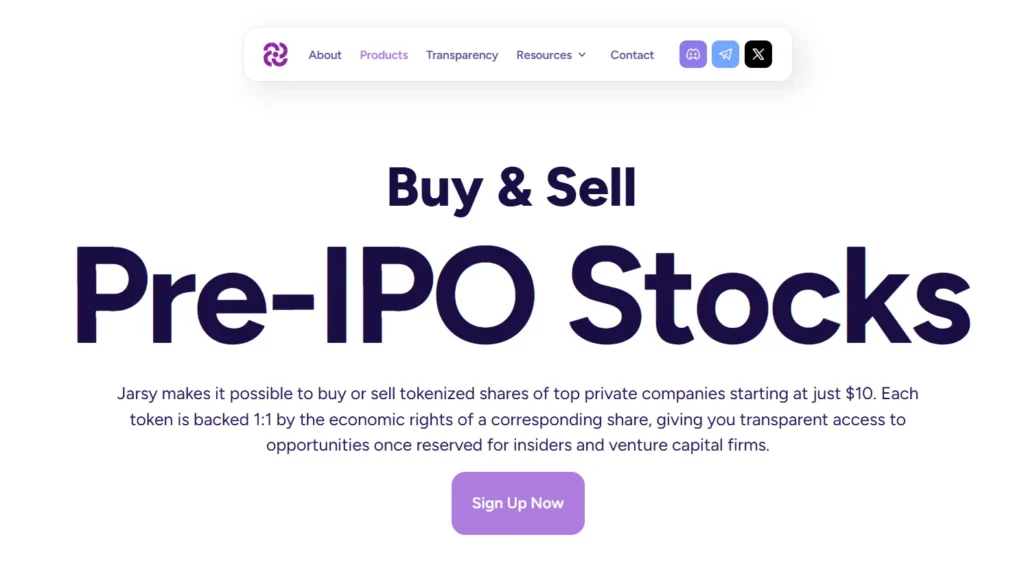
For investors looking to diversify their portfolios, pre-ipo investment platform offers a unique chance to get in on the ground floor of potentially groundbreaking companies. By investing in companies before they go public, individuals can tap into the potential for significant growth and returns.
This type of investment is often associated with private equity and venture capital firms, which specialize in identifying and supporting innovative businesses. By participating in pre-IPO investments, investors can gain access to exclusive opportunities that are not available through traditional stock market channels
- The Allure of Private Market Opportunities
- What Defines the Pre-IPO Stage
- The Growth of Private Capital Markets
- How Pre-IPO Investment Works
- The Journey from Startup to IPO
- Funding Rounds Explained: Series A to Pre-IPO
- Valuation Methodologies in Private Markets
- Why Investors Are Flocking to Pre-IPO Deals
- Potential for Outsized Returns
- Early Access to Innovative Companies
- Portfolio Diversification Benefits
- Success Stories: Pre-IPO Investments That Paid Off
- Tech Giants Before They Went Public
- Unicorn Companies and Their Early Backers
- Calculating the ROI: From Private to Public Valuations
- Understanding the Risks of Pre-IPO Investment
- Illiquidity Challenges
- Valuation Uncertainties and Downrounds
- Regulatory and Compliance Considerations
- Failed IPOs and Their Aftermath
- How to Access Pre-IPO Investment Opportunities
- Accredited Investor Requirements and Exceptions
- Secondary Market Platforms and Exchanges
- Pre-IPO Funds and Investment Vehicles
- Direct Company Connections and Networks
- Essential Due Diligence for Private Company Evaluation
- Analyzing the Management Team and Vision
- Financial Health Indicators
- Market Opportunity and Competitive Position
- Red Flags to Watch For
- Common Mistakes to Avoid in Pre-IPO Investing
- Legal Frameworks and Investor Protections
- Shareholder Rights in Private Companies
- Tax Implications of Pre-IPO Investments
- Regulatory Changes Affecting Private Markets
- Crafting Your Pre-IPO Investment Strategy
- Allocation Recommendations for Different Investor Types
- Timing Considerations for Entry and Exit
- Building a Diversified Pre-IPO Portfolio
- Conclusion
- FAQ
- What is pre-IPO investment?
- How do pre-IPO investments work?
- What are the benefits of pre-IPO investment?
- What are the risks associated with pre-IPO investment?
- How can I access pre-IPO investment opportunities?
- What is due diligence in pre-IPO investment?
- What are common mistakes to avoid in pre-IPO investing?
- What are the tax implications of pre-IPO investments?
- How do I build a diversified pre-IPO portfolio?
The Allure of Private Market Opportunities
Iinvestors are moving towards the private markets where they are seeking profitable deals that previously belong to venture capitalists and private equity firms. This has been partly propelled by the increase in the trend of companies remaining private longer thus creating a market-booming pre-IPO investment.
What Defines the Pre-IPO Stage
The pre-IPO phase is the time when a firm is privately capitalized and it has not yet been publicly offered in the market by means of initial public offering (IPO). In this phase, the companies may be very much grown as the venture capitalists, the private equity firms and any other institutional investors make their investments. The pre-IPO stage is characterized by:
- Rapid expansion and scaling of operations
- Increased valuation due to growth and investor demand
- Preparation for a potential IPO, including regulatory compliance and financial auditing
The Growth of Private Capital Markets
The capital markets in the form of private capital have increased significantly and this is attributed to the fact that more and more companies opt to remain into the private sector. This growth is fueled by:
- The availability of private funding sources, such as venture capital and private equity
- The desire of companies to avoid the regulatory burdens associated with being a public company
- The ability of private companies to focus on long-term growth rather than short-term quarterly earnings
This trend gives investors a special chance to invest in the private market opportunities with prospects of high returns. As the private capital markets keep developing, the dynamics of the pre-IPO stage will be important to the investors who want to take advantage of the emerging opportunities.
How Pre-IPO Investment Works
The journey of a startup to a publicly traded company consists of various steps, pre-IPO investment being one of the crucial steps. Investors interested in exploiting the expansion of the emerging companies need to understand this process.
The Journey from Startup to IPO
A startup’s progression to an IPO is marked by several funding rounds, each designed to support different stages of the company’s growth. Initially, startups depend on seed funding in order to create their product or service. They might require more capital, which they can get by using different capital rounds as they grow.
Funding Rounds Explained: Series A to Pre-IPO
| Funding Round | Purpose | Typical Investors |
|---|---|---|
| Series A | Initial scaling, product development | Venture capital firms |
| Series B | Further scaling, market expansion | Venture capital firms, private equity |
| Pre-IPO | Preparation for IPO, final scaling | Private equity, hedge funds, institutional investors |
Valuation Methodologies in Private Markets
The valuation of private companies is a complex process and it implies discounted cash flow (DCF) analysis and similar analysis of companies. These are ways of arriving at a fair value of the investors and companies, considering the potential growth, market dynamics, and financial outcomes.
These valuation approaches are important to understand so that investors make sound decisions regarding pre-IPO investments.
Why Investors Are Flocking to Pre-IPO Deals
The pre-IPO deals are attractive as they promise to deliver disproportionate returns and access to latest companies. With the growth of individual capital market still going on, new investors are being lured by the prospects of pre-IPO investments.
Potential for Outsized Returns
The pre-IPO investment offers high returns which is one of the major appeal of pre-IPOs investments. Investors are able to gain out of the growth potential these companies have by investing in these companies even before they go public. When successful pre-IPO investments are made, the returns can be many times more than those obtained in traditional investments.
Early Access to Innovative Companies
Pre-IPO investments are also an opportunity to get investors access to innovative companies that have a high likelihood of disrupting markets or offering new opportunities. The investors will be able to enjoy the long term growth of these companies by investing in the ground floor.
Portfolio Diversification Benefits
Along with the possibility of outsize returns, pre-IPO investments may also be used to diversify a portfolio. Investors can decrease their exposure to traditional assets by putting pre-IPO investments on their portfolios and, in the process, increase their overall returns.
Altogether, pre-IPO deals are becoming an appealing option to a significant part of investors due to the combination of the potential of excessive returns, opportunities to access innovative businesses first, and the portfolio diversification benefits.
Success Stories: Pre-IPO Investments That Paid Off
Pre-IPO investments could provide returns that are disproportionate to investors who can accept the risks, as can be seen in the examples of the best and most innovative companies in the world. The possibility of high returns has drawn into the private markets companies such students of technology and unicorns.
Tech Giants Before They Went Public
Companies such as Amazon and Google were initially privately owned, and this allowed the initial investors to join something new. Amazon is a good example since it was created in 1994 and it did not become a public company until 1997. Those investors that had supported Amazon prior to the IPO experienced a huge payoff when the company had ventured into newer markets and transformed the conventional retail.
Google has had a positive impact on pre-IPO investors who had been investing in the company because of its novel method of conducting search and online advertisements. In 2004 the IPO of the company was a big milestone and the early investors were given high returns as Google proceeded to grow and expand its products.
Unicorn Companies and Their Early Backers
Unicorns, companies with a valuation greater than one billion dollars, have been seen to increase in the private market. Such businesses as Uber and Airbnb have not only become unicorns but they have also made a tremendous difference in their respective sectors. Those who had invested in these companies at the early stages, have received high returns as they expanded and spread around the world.
Calculating the ROI: From Private to Public Valuations
The calculation of the pre-IPO investment return on investment (ROI) is based on comparing the valuation of the investment before the IPO and the securities valuation upon the actual IPO. To illustrate, a shareholder who had purchased stock in a privately-owned firm at a price of $10/share and then a company issued the IPO at a price of 50/share would enjoy 400 percent ROI. These kinds of calculations assist investors in knowing their gains in pre-IPO investments.
Looking through the case studies of the success stories of the technology giants and unicorn startups, investors will be able to acquire knowledge about the prospects of pre-IPO investments and the significance of due diligence and careful valuation.
Understanding the Risks of Pre-IPO Investment
When investors seek pre-IPO deals, they should realize the risk that is involved in it that is there is the danger of illiquidities and uncertainties in valuation. The pre-IPO investments lack the liquidity of the publicly issued stocks, and the investors might have a great difficulty in selling their shares before the company becomes a publicly traded one.
Illiquidity Challenges
Illiquidity is one of the major risks that relate to pre-IPO investments. These investments are not publicly traded and this fact may present a challenge when it comes to selling off the investments in a short period of time. It can cause the situation when investors cannot access their money when they need it.
- Difficulty in selling shares before IPO
- Limited access to capital when needed
- Potential for significant losses if the company fails
Valuation Uncertainties and Downrounds
Another type of risk is the uncertainty of valuation. Pre-IPO companies can also be fairly tricky to gauge and can not always be worth their value. Downrounds, when a company raises capital at a lower valuation than in other rounds, may be especially harmful to investors.
Key considerations include:
- Understanding the company’s valuation methodology
- Assessing the potential for downrounds
- Evaluating the impact on investment value
Regulatory and Compliance Considerations
Pre-IPO investments are subject to various regulatory requirements. Investors must ensure they comply with these regulations to avoid legal issues.
Failed IPOs and Their Aftermath
A failed IPO can have significant consequences for investors. It may result in a loss of confidence in the company and make it harder for investors to exit their investment.
The importance of thorough due diligence cannot be overstated. Investors should carefully evaluate the company’s prospects, management team, and financial health before making an investment decision.
How to Access Pre-IPO Investment Opportunities
The investment opportunities that are pre-IPO can be very profitable and to take advantage of such opportunities there might be certain requirements that one must fulfill and the appropriate investment sources need to be used. Venture capitalists eager to extract the gains in pre-IPO firms have to deal with the intricacies of the private market investment.
Accredited Investor Requirements and Exceptions
The usual route to pre-IPO investments is to become an accredited investor. It is only applied to persons in organizations that satisfy some financial criteria like having a net worth that is in excess of 1 million dollars or an annual income that is more than 200,000 dollars. The reasoning of these requirements is the ability to make sure that the investors are financially robust enough to take losses in case they happen.
There are exceptions to such rules especially to the complex or advanced investors who might not fit the financial qualifications but themselves have enormous knowledge in terms of investments. The knowledge of these exceptions can help more investors to get pre-IPO opportunities.
Secondary Market Platforms and Exchanges
The second option as a way of accessing pre-IPO investments is the secondary market platforms and exchanges. The platforms help in the sale and purchase of shares in privately owned companies, which offer liquidity and price discovery. The most notable ones include services such as EquityZen and SharesPost that have become an important access point to an investor interested in pre-IPO deals.
| Platform | Description | Notable Features |
|---|---|---|
| SharesPost | Facilitates trading in private company shares | Provides liquidity, price discovery |
| EquityZen | Connects buyers and sellers of private company shares | Offers a secure, transparent trading environment |
Pre-IPO Funds and Investment Vehicles
Pre-IPO funds and other investment vehicles are an alternative diversified approach to pre-IPO investments. Such funds combine capital of different investors to invest in a portfolio of pre-IPO companies. Such a strategy will help to reduce risk and offer exposure to a diverse portfolio of high-potential startups.
Direct Company Connections and Networks
Direct contacts with companies that are pre-IPO and networking with other investors would also give the chance of getting access to some exclusive investment opportunities. This method demands that one has a solid knowledge of the business and well established contacts.
Through all these channels and strategies, investors will have an opportunity to access the potentially profitable pre-IPO investment arena. It can be by way of accredited investor or through the secondary market or pre-IPO funds or direct company contacts but the trick is find a means to navigate through these opportunities with an informed investment strategy.
Essential Due Diligence for Private Company Evaluation
The success of pre-IPO investing relies on due diligence. It is an in depth analysis of the potential to grow, to be profitable and to fit the interest of your investment target in a private business. A due diligence process allows one to reduce the risks and recognize a certain opportunity that might result in substantial returns.
Analyzing the Management Team and Vision
A critical aspect of due diligence is assessing the management team’s capabilities and vision. Investors should look for a team with a proven track record, relevant industry experience, and a clear strategic plan.
Evaluate their:
- Leadership style
- Decision-making processes
- Ability to adapt to changing market conditions
A strong management team is often a key indicator of a company’s potential for success.
Financial Health Indicators
Examining a company’s financial health is vital. Key indicators include:
- Revenue growth
- Profit margins
- Cash flow
- Debt levels
Investors should review financial statements, such as balance sheets and income statements, to understand the company’s financial stability and growth prospects. Look for consistent revenue growth, healthy cash reserves, and manageable debt.
Market Opportunity and Competitive Position
Understanding the market opportunity and a company’s competitive position is essential. Analyze:
- Industry trends
- Target market size
- Unique value proposition
A company with a strong competitive advantage is better positioned to achieve long-term success.
Red Flags to Watch For
- High customer acquisition costs
- Increasing debt levels
- Lack of transparency in financial reporting
- Poor corporate governance
Being aware of these red flags can help investors avoid potential pitfalls and make more informed decisions.
Common Mistakes to Avoid in Pre-IPO Investing
As investors navigate the complex world of pre-IPO investments, avoiding certain critical errors can make all the difference. Pre-IPO investing is an exciting opportunity, but it requires careful consideration to maximize returns and minimize risks.
- Overvaluing Potential and Hype: One of the most significant mistakes investors make is overvaluing a company’s potential based on hype rather than fundamental analysis.
- Ignoring Lock-up Periods and Exit Timelines: Understanding when you can liquidate your investment is crucial, as lock-up periods can significantly impact your ability to sell shares after an IPO.
- Neglecting Dilution Risks: As companies issue more shares, the ownership percentage of existing shareholders can decrease, potentially affecting the value of your investment.
| Common Mistake | Potential Impact |
|---|---|
| Overvaluing Potential | Significant financial loss if the company fails to meet inflated expectations |
| Ignoring Lock-up Periods | Limited liquidity, potentially missing out on optimal exit opportunities |
| Neglecting Dilution Risks | Reduced ownership percentage and potential decrease in investment value |
By being aware of these common mistakes and taking steps to avoid them, investors can better navigate the pre-IPO landscape.
Legal Frameworks and Investor Protections
Understanding the legal frameworks and investor protections is crucial for making informed pre-IPO investment decisions. The legal landscape surrounding pre-IPO investments is complex and multifaceted, involving various regulations and protections designed to safeguard investors.
Shareholder Rights in Private Companies
Shareholder rights in private companies are governed by the company’s bylaws and shareholder agreements. These documents outline the rights and obligations of shareholders, including:
- Voting rights
- Dividend rights
- Rights to information about the company’s operations and financials
It’s essential for investors to thoroughly review these documents before investing.
Tax Implications of Pre-IPO Investments
Pre-IPO investments can have significant tax implications. Investors should be aware of the potential tax liabilities associated with their investments, including capital gains tax upon sale of the shares. Consulting with a tax advisor is recommended.
| Tax Implication | Description |
|---|---|
| Capital Gains Tax | Tax on the profit from the sale of shares |
| Tax on Dividends | Tax on dividends received from the company |
Regulatory Changes Affecting Private Markets
Regulatory changes can significantly impact private markets. For instance, changes in securities laws can affect how private companies raise capital and the disclosure requirements they must adhere to. Investors should stay informed about regulatory developments that could impact their investments.
Crafting Your Pre-IPO Investment Strategy
A well-crafted pre-IPO investment strategy can help investors unlock exclusive opportunities in the private market. To achieve this, it’s essential to understand the nuances of pre-IPO investments and develop a tailored approach.
Allocation Recommendations for Different Investor Types
Different investors have varying risk tolerances and investment goals.
- Accredited investors → may allocate a larger portion of their portfolio to pre-IPO investments.
- Conservative investors → might opt for a smaller allocation, focusing on diversification.
Timing Considerations for Entry and Exit
Timing is critical in pre-IPO investing. Investors should:
- Consider the funding rounds and the company’s growth stage before entering an investment
- Understand lock-up periods and potential exit strategies to maximize returns
Building a Diversified Pre-IPO Portfolio
Diversification is a cornerstone of any investment strategy. Investors should:
- Spread investments across various sectors and stages of company development
- Monitor and adjust the portfolio as needed to ensure it aligns with investment goals
Conclusion
The pre-IPO investments provide a special entry to the opportunities of the private market, which can enable the investors to access the up-to-date growth potential of the companies prior to their publicization. As it is argued, there are different financing rounds between startups and IPO, each of them has its own valuation procedures and risk.
An investment plan that would be prepared before the IPO should be well thought out and some of the issues that should be considered include; the management of the company, its financial status, the market potential and the competitive strength. Investors are able to reduce risks and realize the possibility of disproportionate returns by doing proper due diligence and comprehending the legal frameworks and systems to protect investors.
Overall, pre-IPO investment may be a useful addition to a diversified investment portfolio, allowing one to gain early access to talented companies and the chance of substantial expansion. With the ongoing changes in the private capital markets, it is important to keep abreast with the pre-IPO investment opportunities and the risks related to them to make sound investment decisions.a
FAQ
What is pre-IPO investment?
Pre-IPO investment refers to the investment made in companies before they go public through an initial public offering (IPO). This is typically made in private rounds, such as Series A, B, C, or pre-IPO rounds.
How do pre-IPO investments work?
Investing in private companies that are not yet listed on a public exchange. Investors participate in funding rounds and receive equity in the company, aiming for returns when the company goes public or is acquired.
What are the benefits of pre-IPO investment?
Potential for outsized returns, early access to innovative companies, and portfolio diversification benefits.
What are the risks associated with pre-IPO investment?
Illiquidity challenges, valuation uncertainties, potential downrounds, and the risk that the company may not go public or may fail.
How can I access pre-IPO investment opportunities?
Through secondary market platforms, pre-IPO funds, direct company connections, or by meeting accredited investor requirements.
What is due diligence in pre-IPO investment?
Analyzing the management team, financial health, market opportunity, and competitive position to make informed investment decisions.
What are common mistakes to avoid in pre-IPO investing?
Overvaluing potential, ignoring lock-up periods and exit timelines, and neglecting dilution risks.
What are the tax implications of pre-IPO investments?
Varies depending on the investment and investor’s tax situation; consulting a tax professional is recommended.
How do I build a diversified pre-IPO portfolio?
Invest in companies across different industries and stages, and allocate investments according to risk tolerance and goals.





A little discussion goes a long way.
Ask a question, share your experience, or help someone find an answer.
There is room for your perspective.
No discussions match this view yet.
Your voice belongs here
Keep it useful. Keep it kind.