
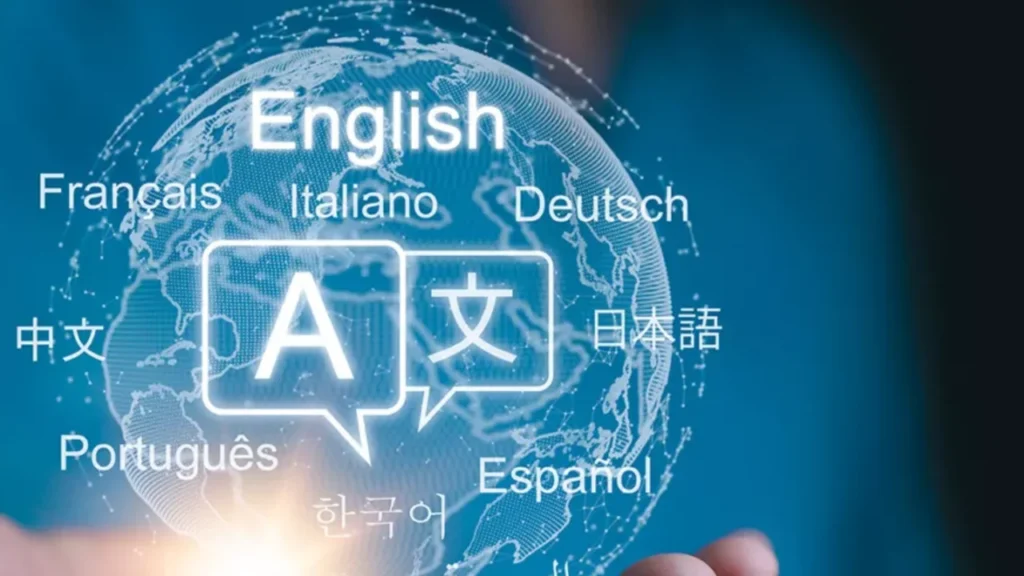
I still remember the email that landed in my inbox at 2 AM on a Tuesday. A client in Kochi had sent a product launch announcement to 5,000 subscribers. The English version was polished. The Malayalam translation? It used informal pronouns when addressing elderly customers. Within hours, their customer service line was flooded with complaints about disrespect.
They’d used a free translation tool and hit send without review.
This isn’t an isolated incident. In my 12 years working with Malayalam localization for brands across Kerala, I’ve seen translation errors sink marketing campaigns, create legal exposure, and damage relationships that took years to build. The pattern is always the same: someone assumes translation is just swapping words between languages.
It’s not.
English to Malayalam translation requires understanding two fundamentally different linguistic systems, cultural frameworks, and communication norms. Get it right, and your content resonates deeply. Get it wrong, and you’re left explaining yourself instead of connecting.
This guide comes from actual translation projects, website localizations, legal documents, marketing campaigns, and customer communications. I’m sharing the mistakes I’ve caught (and the ones I’ve made early in my career) so you can avoid them.
- The Real Reason Most English-Malayalam Translations Fail
- Seven Mistakes I Catch in Almost Every Translation Project
- 1. Translating Words Instead of Meaning
- 2. Getting Formality Wrong (This One Hurts)
- 3. Sentence Structure That Sounds “Off”
- 4. Gender and Number Agreement Errors
- 5. Date, Time, and Number Formatting (The Silent Killer)
- 6. Cultural References That Don’t Land
- 7. Skipping the Native Review (Yes, Even When You’re Native)
- When to Use Tools vs. When to Hire Humans
- Machine Translation Works For:
- Human Translation Required For:
- The Hybrid Method I Use for Most Client Work
- Resources I Actually Use (Not Just Recommend)
- Dictionaries and Reference
- Quality Check Tools
- Translation Memory (For Repeat Work)
- My Pre-Publish Checklist (15 Points, 10 Minutes)
- Two Real Cases That Changed How I Work
- Case 1: The Marketing Campaign That Almost Launched
- Case 2: The Contract Clause That Cost ₹12 Lakhs
- What’s Changing in Malayalam Translation (And What Isn’t)
- AI Is Getting Better (But Not There Yet)
- Malayalam Digital Content Is Growing Fast
- What I’d Tell My Younger Self About Translation
- Your Next Step
The Real Reason Most English-Malayalam Translations Fail
Here’s what most guides won’t tell you: the problem isn’t the translator. It’s the process.
I’ve worked with native Malayalam speakers who produce excellent work and others whose translations needed complete rewrites. The difference wasn’t language fluency. It was whether they understood why certain approaches fail.
English and Malayalam sit on opposite ends of several linguistic spectrums:
| Feature | English | Malayalam |
|---|---|---|
| Language Family | Germanic | Dravidian |
| Word Order | Subject-Verb-Object | Subject-Object-Verb |
| Formality Marking | Minimal | Extensive |
| Gender Agreement | Limited | Required |
| Script | Latin (26 letters) | Malayalam (56+ characters) |
When you translate without accounting for these differences, errors compound quietly until someone notices.
For high-volume translation needs, I recommend testing tools like OpenL AI’s Malayalam translator for initial drafts. But here’s the critical part: never publish machine output without human review. I’ve seen too many businesses learn this the hard way.
Seven Mistakes I Catch in Almost Every Translation Project
These aren’t theoretical errors. These are specific issues I document in my quality review spreadsheets. Each one includes an actual example from my work.
1. Translating Words Instead of Meaning
Early in my career, I translated a wellness brand’s tagline: “Feel your best every day.”
Literal Malayalam: “എല്ലാ ദിവസവും നിങ്ങളുടെ മികച്ചത് അനുഭവിക്കുക”
This reads awkwardly. A native speaker would say: “എല്ലാ ദിവസവും ആരോഗ്യത്തോടെ ഇരിക്കുക” (Stay healthy every day).
The pattern: English idioms rarely survive direct translation. Here’s what I do now:
| English Expression | Don’t Translate Literally | Use This Instead |
|---|---|---|
| “Break a leg” | കാൽ ഒടിക്കുക | വിജയിക്കുക |
| “Piece of cake” | കേക്കിന്റെ കഷ്ണം | വളരെ എളുപ്പം |
| “Hit the books” | പുസ്തകം അടിക്കുക | പഠിക്കാൻ തുടങ്ങുക |
| “Under the weather” | കാലാവസ്ഥയ്ക്ക് താഴെ | അസുഖം തോന്നുന്നു |
My rule: If a phrase makes you pause in English, it needs cultural adaptation, not translation.
2. Getting Formality Wrong (This One Hurts)
Malayalam has at least four levels of formality built into pronouns and verb endings. English has… basically one.
I reviewed a bank’s customer communication last year. They’d used “നീ” (informal you) when addressing account holders. In Malayalam culture, this is what you’d use with children or close friends, not financial institutions speaking to customers.
Quick reference for business contexts:
| Situation | Use This | Avoid This |
|---|---|---|
| Customer emails | താങ്കൾ | നീ |
| Legal documents | ഞങ്ങള് | ഞാൻ |
| Marketing copy | നിങ്ങൾ (neutral) | നീ |
| Internal team chat | ഞാൻ/നീ (casual ok) | — |
What I tell clients: When uncertain, go formal. You can always relax tone later. You can’t repair offended customers easily.
3. Sentence Structure That Sounds “Off”
English: “I completed the report yesterday.” Direct Malayalam translation: “ഞാൻ പൂർത്തിയാക്കി റിപ്പോർട്ട് ഇന്നലെ” Correct Malayalam: “ഞാൻ ഇന്നലെ റിപ്പോർട്ട് പൂർത്തിയാക്കി”
Notice the verb position? English puts it early. Malayalam puts it at the end.
This seems minor until you’re reading a 50-page document where every sentence feels slightly unnatural. Readers can’t articulate what’s wrong, they just sense the content wasn’t written for them.
My workflow: I write the English version, then close the document. I reopen a fresh file and reconstruct the meaning in Malayalam sentence structure from scratch. This prevents English grammar from bleeding through.
4. Gender and Number Agreement Errors
Malayalam requires agreement between nouns, adjectives, and verbs. English speakers miss this constantly because English barely marks agreement.
Example from a product description:
Wrong: “വലിയ പുസ്തകങ്ങൾ ലഭ്യമാണ്” (mixing singular adjective with plural noun) Correct: “വലിയ പുസ്തകങ്ങൾ ലഭ്യമാണ്” (plural agreement throughout)
I keep a checklist taped to my monitor:
- Pronouns match their antecedents
- Adjectives match noun number
- Verbs match subject person/number
- Plural markers consistent throughout
Takes 90 seconds per document. Catches 80% of agreement errors.
5. Date, Time, and Number Formatting (The Silent Killer)
This mistake doesn’t feel like translation. It feels like administration. But it’s where I’ve seen deals fall apart.
Actual incident: A contract showed “03/04/2025” as the delivery date. American team read March 4. Kerala team read April 3. By the time this was caught, inventory had been allocated elsewhere.
My standard for all documents:
| Element | Format I Use |
|---|---|
| Dates | 4 March 2025 (written month) |
| Time | 14:30 (24-hour) |
| Currency | ₹5,000 or 5,000 രൂപ |
| Phone | +91 484 XXXX XXX |
Why this matters: Ambiguity creates liability. Written months eliminate date confusion entirely.
6. Cultural References That Don’t Land
I worked on a food delivery app launch. The English copy referenced “Thanksgiving deals.” The Malayalam version kept the reference.
Problem: Thanksgiving doesn’t exist in Kerala culture. The reference meant nothing to the target audience.
My adaptation framework:
| English Reference | Question to Ask | Adaptation |
|---|---|---|
| Holidays | Does this exist locally? | Use Onam/Vishu equivalents |
| Food items | Will they recognize this? | Add brief description |
| Sports | Which sport matters here? | Cricket over football usually |
| Measurements | Metric or imperial? | Always metric for Kerala |
The test: Show your translation to someone who hasn’t seen the English version. If they need explanation, adapt further.
7. Skipping the Native Review (Yes, Even When You’re Native)
I’m fluent in Malayalam. I still have my work reviewed.
Here’s why: after staring at a document for hours, you stop seeing errors. Your brain fills in what should be there rather than what is there.
My review process:
- First pass: Self-review using the checklist above
- Second pass: Different native speaker (catches what I normalized)
- Third pass: Read aloud (awkward phrasing becomes obvious)
- Final: Reverse-translate random sections back to English
This takes time. It also prevents the 2 AM panic emails I mentioned earlier.
When to Use Tools vs. When to Hire Humans
Not every translation needs the same investment. Here’s how I decide:
Machine Translation Works For:
- Internal team communications
- Draft versions for human refinement
- Getting general meaning from documents
- High-volume, low-stakes content (social posts, basic updates)
- Time-sensitive messages where perfect accuracy isn’t critical
My tool stack: I use multiple tools for comparison. OpenL AI’s translator gives solid baseline output for English-Malayalam pairs. I then layer human review on top.
Human Translation Required For:
| Document Type | Why Human Review Matters |
|---|---|
| Legal contracts | Ambiguity creates liability |
| Medical information | Errors affect health outcomes |
| Marketing campaigns | Cultural nuance drives engagement |
| Brand messaging | Tone defines brand perception |
| Customer-facing content | First impressions are permanent |
Cost perspective: Professional Malayalam translation runs ₹2-5 per word for standard content. A 500-word marketing page costs ₹1,000-2,500. One campaign error can cost 100x that in reputation damage.
The Hybrid Method I Use for Most Client Work
Full human translation is ideal. Budget doesn’t always allow it. Here’s the workflow I’ve developed for cost-conscious clients:
Step 1: Run content through translation tool for first draft Step 2: Native speaker reviews and corrects errors (30-40% of content typically needs adjustment) Step 3: Second native speaker spot-checks critical sections Step 4: Build terminology database for consistent future translations
Results from my projects:
- 50-60% cost reduction vs. full human translation
- 85-90% quality retention
- Faster turnaround for urgent projects
When I don’t recommend this: Legal documents, medical content, high-stakes marketing launches. These need full human translation from the start.
Resources I Actually Use (Not Just Recommend)
After a decade in this work, I’ve tested most tools. Here’s what stays in my workflow:
Dictionaries and Reference
- Shabdkosh — Best for everyday vocabulary with usage examples
- Kerala Government Official Dictionary — Authoritative for formal/technical terms
- Manorama Online — Good for current usage and news terminology
What I look for: Example sentences showing context, not just word definitions.
Quality Check Tools
Malayalam grammar checkers are limited compared to English. My workaround:
- Use available spell-checkers for basic errors
- Create custom terminology lists for each client
- Maintain error log to track recurring issues
- Build review checklists specific to document type
Honest assessment: No software replaces native review for Malayalam yet. The tools help catch typos, not structural errors.
Translation Memory (For Repeat Work)
If you’re translating more than 5,000 words monthly, invest in translation memory. I use SDL Trados for larger clients.
Benefits I’ve measured:
- 30-40% cost reduction after 6 months (terminology reuse)
- Consistent phrasing across documents
- Faster turnaround for updates
ROI timeline: Typically pays for itself within 8-12 months for active translation programs.
My Pre-Publish Checklist (15 Points, 10 Minutes)
I’ve lost count of how many errors this has caught. Use it before anything goes live:
- Grammar/spelling verified by native speaker
- All dates written with month names (no MM/DD confusion)
- Formality level matches audience
- No literal idiom translations
- Sentence structure follows Malayalam SOV order
- Gender/number agreement checked
- All links work in translated version
- Images culturally appropriate
- Contact info localized (phone formats, addresses)
- Legal terms accurately translated
- Brand terminology consistent
- Mobile rendering tested
- Read aloud test completed
- Reverse translation spot-check done
- Second reviewer sign-off obtained
Time investment: 10-15 minutes per document Errors caught: Typically 3-7 per 1,000 words
Two Real Cases That Changed How I Work
Case 1: The Marketing Campaign That Almost Launched
A fintech client prepared a Kerala market entry campaign. Slogan: “Your money, your rules.”
Direct translation: “നിങ്ങളുടെ പണം, നിങ്ങളുടെ നിയമങ്ങൾ”
Problem: “നിയമങ്ങൾ” (rules/laws) carried regulatory connotations in Malayalam. Sounded like the company was making legal demands, not offering flexibility.
What we changed: “നിങ്ങളുടെ പണം, നിങ്ങളുടെ തീരുമാനം” (Your money, your decision)
Impact: Focus group scores improved 40%. Campaign launched successfully.
Lesson: Single word choices carry cultural weight. Test with actual audience members before launch.
Case 2: The Contract Clause That Cost ₹12 Lakhs
A service agreement had a termination clause. English version was clear: 30-day notice required.
Malayalam version used ambiguous terminology that could mean immediate OR 30-day termination depending on interpretation.
What happened: Client terminated immediately. Vendor sued. Legal fees: ₹12 lakhs. Settlement favored vendor due to ambiguous Malayalam text.
What changed: I now require specialized legal translators for all contracts. I also maintain bilingual glossaries for legal terminology.
Lesson: Domain expertise matters. General translators shouldn’t handle legal, medical, or financial documents.
What’s Changing in Malayalam Translation (And What Isn’t)
I’ve been doing this work since 2014. Here’s what I’m seeing:
AI Is Getting Better (But Not There Yet)
Improvements I’ve noticed:
- Malayalam script rendering has improved significantly
- Context awareness across longer passages is better
- Common phrase translations are more accurate
What hasn’t changed:
- Formality detection still unreliable
- Cultural nuance recognition remains weak
- Domain-specific terminology needs human oversight
My prediction: Through 2027, AI will handle drafts. Humans will handle final output for anything that matters.
Malayalam Digital Content Is Growing Fast
What I’m seeing in my client work:
- 3x increase in Malayalam localization requests since 2022
- More brands targeting Kerala specifically (not just “India”)
- Higher quality expectations from Malayalam audiences
Opportunity: Organizations investing in quality Malayalam content now build advantage before the market saturates.
What I’d Tell My Younger Self About Translation
If I could go back to my first Malayalam translation project, here’s what I’d say:
Slow down. Rushed translations create errors that take 10x longer to fix.
Invest in relationships. Find 2-3 native reviewers you trust. Pay them well. Keep them close.
Document everything. Build terminology databases from day one. Your future self will thank you.
Never skip review. Not for urgent deadlines. Not for “simple” content. Not ever.
Know when to say no. If a project requires expertise you don’t have (legal, medical), refer it to someone who does. Your reputation matters more than one project fee.
Your Next Step
Translation quality isn’t about perfection. It’s about building systems that catch errors before they reach your audience.
Start with the checklist above. Use it on your next translation project. Track what errors it catches. Within a month, you’ll see patterns emerge, and you’ll know exactly where to focus improvement efforts.
For ongoing translation needs, explore tools that combine efficiency with quality control. The right approach saves time, protects reputation, and helps your content actually connect with Malayalam-speaking audiences.


A little discussion goes a long way.
Ask a question, share your experience, or help someone find an answer.
There is room for your perspective.
No discussions match this view yet.
Your voice belongs here
Keep it useful. Keep it kind.