
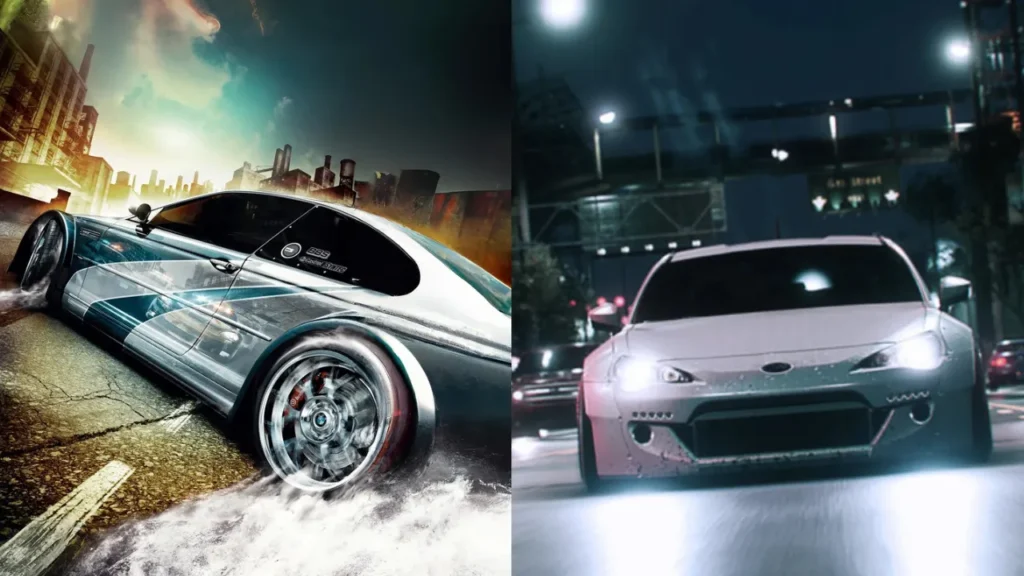
One of the most iconic racing video game series of all time, Need for Speed, boasts a truly venerable legacy. For decades, it has provided heart-stopping races, epic police chases, car customization, and a constantly changing roster of vehicles and mechanics.
With more than 25 games in its belt, the series has seen its share of ups and downs, but a few games have stood the test of time.
Below is the list of the five best Need for Speed games that held the spirit of high-speed racing.
Need for Speed: Most Wanted (2005)
Iconic blacklist, epic cop chases, legendary cars
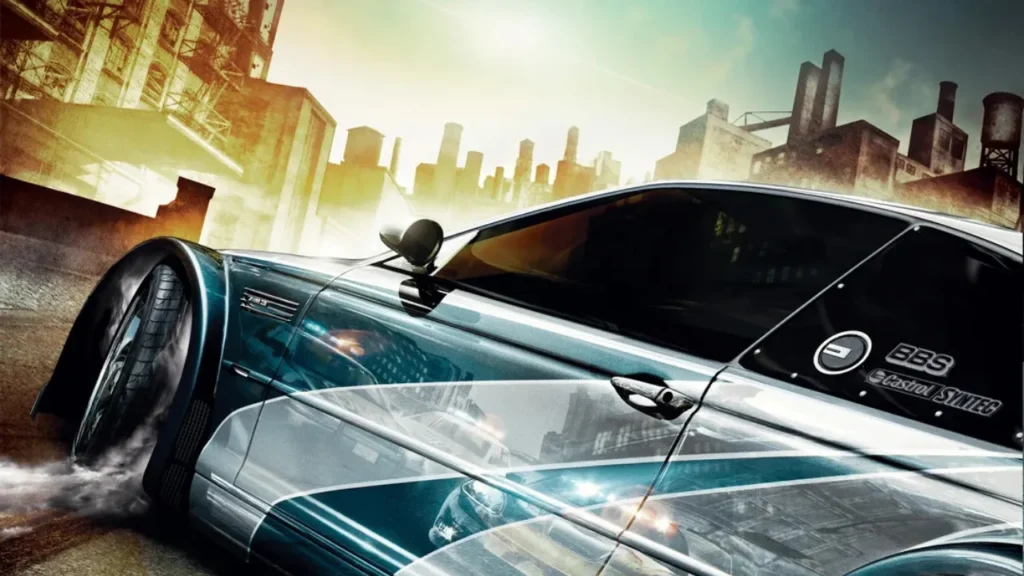
| Released | May 25, 2005 |
| Developer | EA |
| Publisher | EA |
The undisputed king. Most Wanted combined the racing at high speed with an engrossing story, police chases requiring you to keep your head cool, and a layer of deep progression.
The experience of Razor taking him down and climbing the blacklist is still one of the most fulfilling ones in the history of racing games. There have been no games that have balanced the same proportion of story, quickness, and content as it does.
What made Most Wanted work was not just the speed.
It was the pressure. Every race against a Blacklisted opponent felt like it mattered, because losing meant your car would be confiscated and your reputation would be damaged. The police chases were not just background noise.
Hit a high enough heat level, and you have helicopters, spike strips, and roadblocks all working together to end your race. Car customization went beyond looks, with performance upgrades that actually changed how the car handled at high speed.
Even twenty years later, the career structure, climbing onto one Blacklisted opponent at a time, taking their car, taking their place, still stands as one of the most rigorous progression systems the series has ever created.
Need for Speed (2015)
A reboot packed with nostalgic vibes
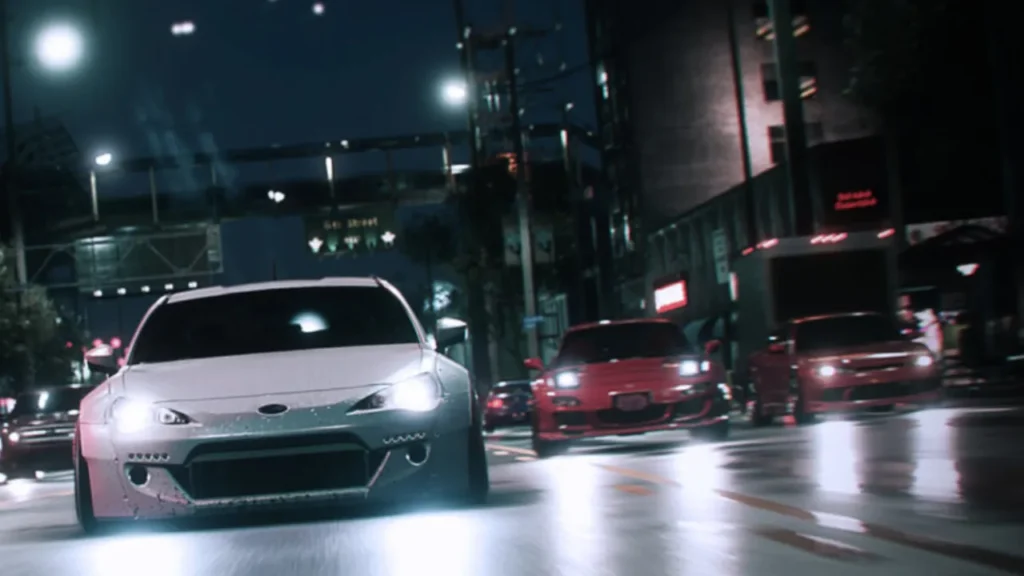
| Released | November 3, 2015 |
| Developer | Ghost Games |
| Publisher | EA |
Need for Speed (2015) revived the same night-only look of Underground, amazing graphics, and deep car customization. Full motion video (FMV) cutscenes and always online play were controversial, but the overall mood and game mechanics were undeniably immersive.
Each race took place at night, under neon-drenched skies, in a version of the city that felt like it was built for street racing. The customization system let players go deep, with full body kits, underglow, and performance tuning that changed the car’s personality as much as its stats.
The five-character story, told through live-action FMV cutscenes, divided opinion sharply. Some found it enjoyable, others found it a fun throwback to the underground era of storytelling.
Need for Speed: Underground 2 (2004)
First open-world NFS with deep customization
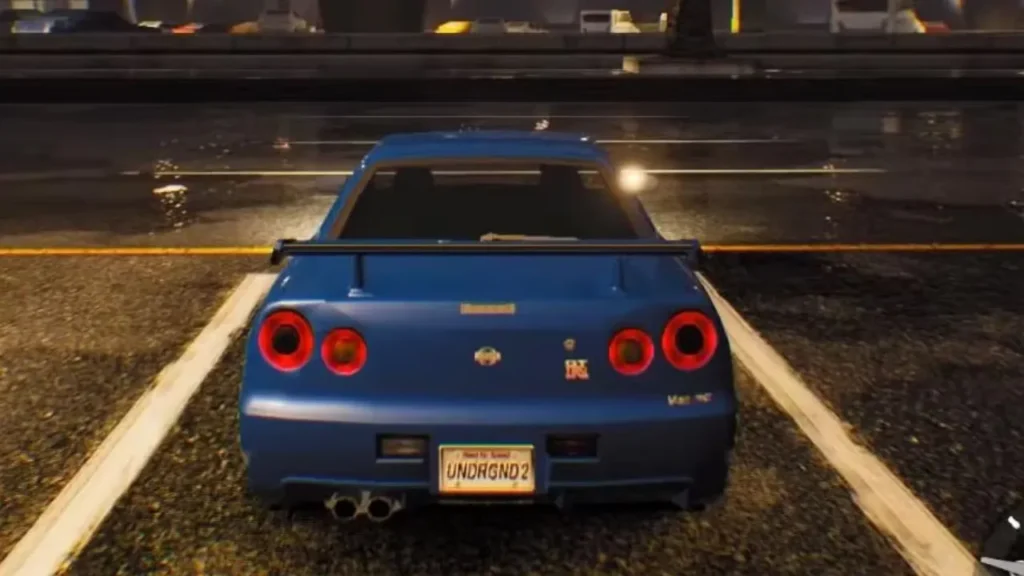
| Released | November 9, 2004 |
| Developer | EA |
| Publisher | EA |
Building on its predecessor, Underground 2 added an open world, a large volume of cars, drift events, and a larger tuning system. Support continues to plead for a remake of this title, and rightly so; this title painted a picture of how a racing game should be.
It was the first entry to let players roam the entire city freely instead of jumping between races selected from a menu, and that one change made everything else feel bigger. You stumble on an extended event on your way to a drag race, or visit a new shop while strolling around.
The customization system was ridiculously deep for its time, featuring everything from body kits and vinyl to underbody neon and full engine swaps. Drift events, drag races, sprint races, and circuit races all lived in the same world, giving the game variety.
Need for Speed: Carbon (2006)
Canyon duels and crew-based racing
| Released | October 31, 2006 |
| Developer | EA |
| Publisher | EA |
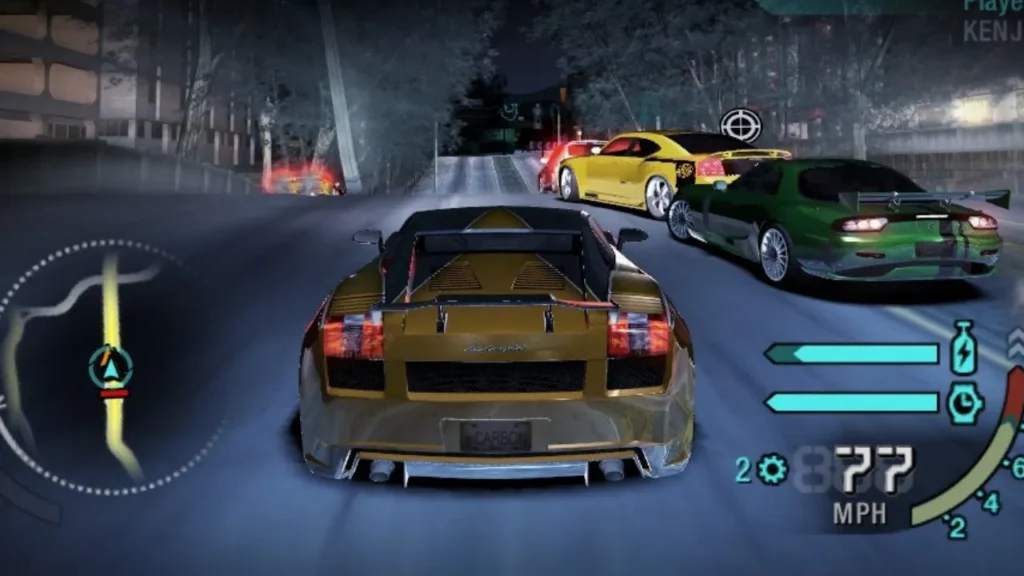
A direct follow-up to Most Wanted (2005), Carbon added night-racing, a new, darker tone, and canyon-to-canyon fights dubbed as togue. The risk of losing control and flying over the cliffs added tension, and the possibility of hiring crew members with unique skills introduced strategy.
Carbon took the highly sought-after formula and pushed it into deep, dangerous territory. One wrong move at full speed on a mountain road, and you see your car go over the edge, which made each duel genuinely tense in a way that flat-track racing never had.
The crew system also added a layer of strategy. You can recruit teammates who would block rivals, scout routes, or draft you towards the finish line, and choosing the right crew member for the right race actually mattered. Territory Control took the city feel beyond individual races, with turf changing hands as you blocked a rival crew’s block.
Need for Speed: Rivals (2013)
Play as cops or racers in a shared open world
| Released | November 15, 2013 |
| Developer | EA |
| Publisher | EA |
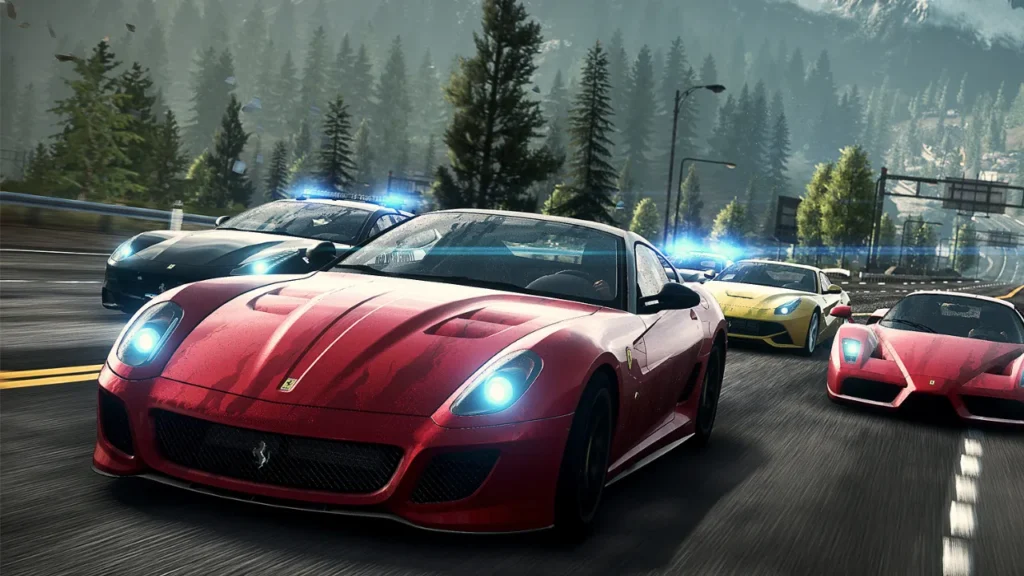
Competitors went back to Hot Pursuit basics and implemented cutting-edge graphics and online multiplayer. You can switch between being a law enforcer and a racer with their respective campaign and upgrades. The risk-reward system maintained a lot of tension.
Rivals brought the cops-vs-racers dynamic back to the forefront of the series, and did so in a shared open world where racers and cops were not in separate lobbies. They were on the same streets at the same time.
Playing as a racer meant chasing speed points and rare cars. Playing as a cop meant hunting down racers and climbing your rank. The AllDrive system tied everything together online, allowing other players’ sessions to flow into yours mid-race.


A little discussion goes a long way.
Ask a question, share your experience, or help someone find an answer.
There is room for your perspective.
No discussions match this view yet.
Your voice belongs here
Keep it useful. Keep it kind.