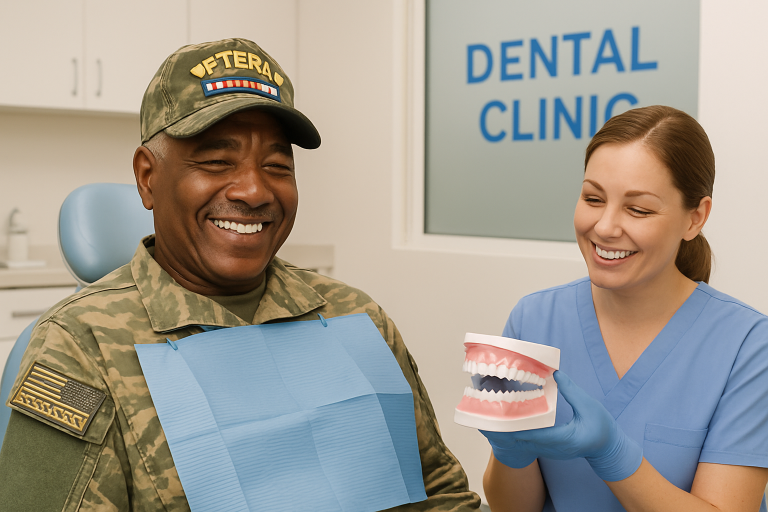
Accessing affordable dental care is a significant hurdle for veterans and military retirees across the United States. While healthcare benefits are well-established, dental coverage is much less common. The result is that less than 10% of the nearly 9 million veterans enrolled in the U.S. Department of Veterans Affairs (VA) system receive dental benefits.
This coverage gap often forces individuals to delay treatment, leading to more severe oral health issues and impacting their quality of life. For those seeking alternatives, VA dental insurance offers an accessible path to routine and preventive care at a reasonable cost.
Dental health plays a crucial role in overall well-being, as it is linked to conditions such as diabetes and heart disease. Veterans who lack dental coverage are at greater risk for these associated health complications, making affordable solutions vital to their long-term care.
As the demand for comprehensive dental care grows, various federal and local initiatives are stepping up to address these needs and reduce barriers to access.
According to the American Dental Association, primary dental care can help to avoid numerous painful and expensive issues, but the coverage and affordability continue to be a challenge to the veteran population. The gap underscores the value of the programs and support networks in place to bridge the oral healthcare gap in the military retirees and veterans.
Other than federal measures, various stakeholders on the state, local, and nonprofit levels are doing their best to bridge the gap and ensure dental care accessibility to the served. Efforts such as insurance coverage plans and free events once per year are enabling larger numbers of veterans to take action in addressing their oral health on a cost-effective and proactive basis.
Federal Employees Dental and Vision Insurance Program (FEDVIP)
Federal Employees Dental and Vision Insurance Program (FEDVIP): This is a voluntary federal benefit that covers dental services to the qualified veterans, like military retirees as well as their family members. FEDVIP is a program sponsored by the U.S Office of Personnel Management and includes a wide range of insurance plans offered by some of the best providers, allowing enrollees the opportunity to compare plans and their prices. All enrollees will be required to pay their own premiums, therefore it is necessary to evaluate various dental plans in terms of individual healthcare requirements and budgets.
Enrolling in the annual Open Season or since the retirement worker has experienced a qualifying life event, the retirees will receive preventive, restorative, and primary dental services, such as cleanings, root canals, and crowns. Having the choice of top dental carriers, it is now possible to select a provider network that fits well a location and preferences of the veterans. A coverage guide that has published coverage guides by Military.com can provide more information about the available options, and how the user can go about the enrollment process to ensure he/she maximizes his/her benefits.
Community-Based Dental Care Initiatives
In addition to federal initiatives, local and community based clinics have a lot of role to play in enhancing access of dental care among veterans. An example of such programs is the St. Louis Dental Center, which offers free dental screening and screenings to veterans; it targets those who may not have good health insurance cover or otherwise have barriers to quality care. By allowing eligible veterans to access preventive and basic dental services, the clinics would be taking an important step towards preventing future problems and ensuring that long term oral health practices are put in place.
Veterans may also call on like programs in their local communities, which may be provided by a dental school, hospital or local nonprofit agencies. These actions do not only provide urgent care services, but also provide the continued relationship between the health providers and the veteran population, nurturing trust, and dispelling the stigma about the need to receive dental services.
Nonprofit Organizations Offering Support
Various nonprofit organizations are committed to assisting veterans in need of dental services but are unable to afford these services. One of such organizations is the Dental Lifeline Network, which links veterans to volunteer dentists and dental laboratories nationwide. The contributions of this program have made millions of dollars worth of donated services including X-rays and cleanings to more complicated services such as dentures and oral surgery.
Nonprofits will aim at making sure that veterans who have become old, or disabled, or homeless or otherwise vulnerable individuals do not fall between the lines within the healthcare system. Such networks in cooperation with the local health partners and dental associations make sure that dental care is affordable even to people with limited finances. To get a detailed description and eligibility criteria, refer further reporting on veterans getting dental care by major newspapers, including The New York Times.
State-Sponsored Dental Programs
Some states have introduced or enacted special dental coverage to the veterans, which is based on the understanding that there is a strong need to have a comprehensive cover. Indicatively, New York State is deliberating on a 5 million program that can offer cheap, routine dental care to the veterans, in particular. These dental coverage plans are usually an addition of federal coverage plans which provide more veterans with the opportunity to receive the care they require irrespective of their income and their period of service.
Other state programs can concentrate on subsidizing the dental insurance premiums, supporting the clinics serving veterans, or initiating specific campaigns of public awareness to address the underserved groups. Being updated on new policies and pilot programs at the state level can assist the eligible veterans in accessing new benefits as they become available.
Annual Free Dental Care Events
Thousands of military veterans and their families are attracted to preventive and emergency dental services through free dental care events held annually across the country. The Day of Service held by the Aspen Dental organization is one of the brightest examples of such programs since free exams, cleanings, and extractions are offered to veterans and spouses annually. They tend to center around those who are most in need and fill an important service gap in rural or financially strained persons.
In most states, there are free dental days and are sponsored by dental professionals who donate their free time and knowledge. Local agencies, dental societies, or outreach organizations should check with veterans interested in such opportunities on what may be located in their area in the near future.
Steps to Access Affordable Dental Care
- Research Eligibility: Begin by determining your eligibility for VA dental benefits and reviewing your options for programs like FEDVIP.
- Explore Community Programs: Search for local clinics, dental schools, or nonprofit groups providing free or low-cost dental services to veterans.
- Attend Free Dental Events: Sign up for or attend national and local events offering complimentary dental care to veterans and their families.
- Consult State Resources: Learn about state-sponsored initiatives and new coverage opportunities that may supplement your federal benefits.
Conclusion
Securing affordable dental care as a veteran or military retiree is possible through a mix of federal programs, community initiatives, and nonprofit support. The dental care gap can be addressed by giving veterans a chance to explore available options like VA dental insurance, participate in regional care events, and utilize state and nonprofit resources and take charge of their oral health. The active research and involvement in such programs means that none of the veterans is left without the dental services they require in order to live a healthier and more active life.