

In the fast-paced world of 2026, scaling a business online is no longer just about having a website and a few social media profiles. It requires a strategic blend of creativity, data analysis, and resource management.
For small business owners and entrepreneurs, the digital landscape can feel overwhelming, but the core principles remain grounded in efficiency and targeted growth. The goal is to create a seamless experience for the user while managing backend costs effectively to ensure long-term sustainability.
The challenge for many businesses today is not a lack of tools, but rather the budget to use them effectively. According to a recent industry report, 54% of global marketers plan to reduce ad spend in 2025, driven by a need for greater efficiency and performance-based results.
Instead, businesses must focus on building a sustainable ecosystem that balances organic reach with strategic paid efforts. It is about working smarter, not harder, to ensure every pound spent delivers a measurable return.
The Role of Strategic Paid Advertising
While organic content creates brand equity in the long term, paid media will give the much-needed visibility to scale. Pay-Per-Click (PPC) is a mode of advertising in which you put your brand directly before all prospective customers who are searching to use your solutions. Nonetheless, platforms such as Google ads and Meta ads are complex and can result in a waste of budget when used the wrong way.
For businesses looking to expand into specific high-growth markets, local expertise is invaluable. Regional nuances, language barriers, and cultural search behaviours can make or break a campaign. This is where outsourcing becomes a strategic advantage rather than just a cost.
For example, if your expansion plans include Southeast Asia, partnering with a specialised PPC agency in Thailand allows you to leverage local market knowledge and lower operational costs compared to Western agencies. This approach ensures that your reduced ad budget is utilised with maximum efficiency, targeting the right demographics without the steep learning curve of doing it yourself.
Building a Content Engine with Modern Tech
Content remains the backbone of any digital marketing strategy. Whether it is a blog post, a newsletter, or a social media update, regular communication will create trust among the audience. However, quality content and especially video have reached an unprecedented high demand, which in many cases puts pressure on the resources of smaller teams that have to keep up with algorithms.
Video marketing is essential for engagement, but it is possible that conventional production is quite expensive and time-consuming. Luckily, technology has made it a democratic process. There is no longer a need to spend Hollywood on good visuals. With the help of modern software, small teams may use it to automatize scriptwriting and editing.
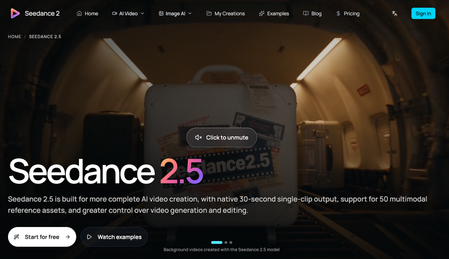
For instance, learning how to make better videos with AI can significantly reduce your production time while maintaining the professional quality required to capture attention in crowded feeds. When you streamline content creation, you free up valuable time to focus on the strategic side of your business, such as analysing customer feedback and refining your value proposition.
Knowing When to Outsource vs. Keep In-House
Scaling a business does not mean hiring a massive internal team immediately. In fact, keeping a lean core team and outsourcing specialised jobs is usually the surest way to grow. The trick is to determine which processes should be performed personally and which can be performed by external professionals or automation.
To help you decide, consider this simple framework for resource allocation:
- Core Competencies (Keep In-House): Core competencies are what your brand voice and product vision are. Customer service, superior strategy, and ultimate content approval should as a rule stay with your core team in order to offer uniformity and to uphold the brand.
- Monotonous Technical Process (Automate): Perform email marketing chain, social media scheduling, and simple data reporting with the help of software. When it can be done better and with less errors, then leave it to the machine to perform the workload instead of your team doing it because they are creative workers.
- Specialised High-Skill Tasks (Outsource): Areas such as advanced SEO, advanced web development and mass PPC management are areas where a level of expertise is needed and this may take years to acquire. These jobs are typically cheaper to buy than to train a generalist internally using an agency or expert.
Mastering Analytics to Drive Decisions
The final pillar of scaling your online presence is data. In digital marketing, every click, view, and conversion leaves a digital footprint. However, drowning in data is just as dangerous as ignoring it.
Select several Key Performance Indicator (KPI) that have a direct influence on your bottom line, e.g., Customer Acquisition Cost (CAC) and Lifetime Value (LTV). With the help of these metrics, you will easily determine which channels are working and which are consuming resources. In case your organic video content is attracting cheap leads, invest more efforts on the strategy. In case your paid advertisements in a particular area are performing well then you may want to raise the budget of that particular campaign.
It is not a 400 meter race to grow your presence on the internet. With an effective content production, unique local knowledge of the paid channels, and intelligent outsourcing, you can develop a strong digital marketing engine that will expand along with your business, and will not depend on budget limitations.



A little discussion goes a long way.
Ask a question, share your experience, or help someone find an answer.
There is room for your perspective.
No discussions match this view yet.
Your voice belongs here
Keep it useful. Keep it kind.