
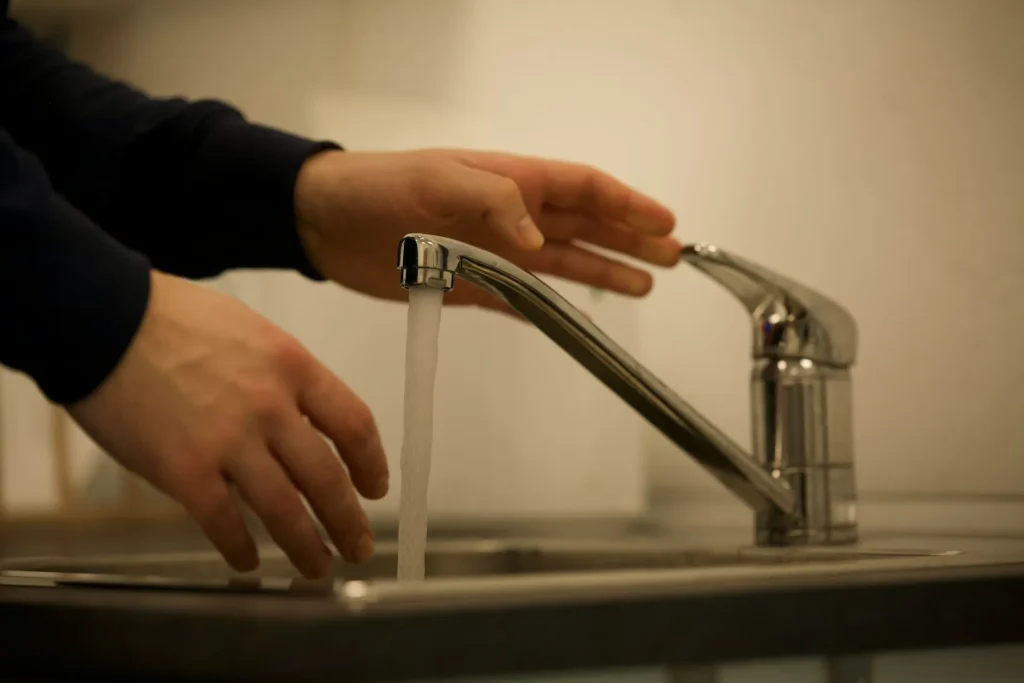
You probably don’t think about water much when you walk into a hospital. Tap water? Seems simple enough. But water in healthcare isn’t just for drinking. It’s in the machines, the sterilizers, even the solutions used to clean instruments. One small mistake in water quality can quietly cause big problems. That’s where AAMI Standard ST108 comes in. It sets guidelines to make sure every drop is safe for patients, for staff, and for the equipment that doctors rely on every day.
Water Does More Than Quench Thirst
Sure, water keeps you hydrated. But in a hospital, it does a lot more. Every instrument you touch, every solution used, and even some machines depend on clean water. Scalpels, endoscopes, and surgical tray, they all go through processes that require water that’s far purer than what comes from your tap.
A small impurity might not seem like much. But in medical terms? It matters. Contaminated water can compromise sterilization. And if equipment isn’t properly sterilized? That’s when infections can happen. So yeah, water isn’t just a background detail, it’s a frontline player in patient safety.
Hospital Water Isn’t Your Tap Water
You might think, “City water is fine, right?” Not exactly. Hospitals have stricter requirements. They check for microbes, dissolved minerals, pH, and conductivity. Each factor affects how the equipment performs.
Even tiny changes can be an issue. Slight pH shifts, small mineral deposits, they can build up inside machines or reduce sterilization effectiveness. Hospitals test water constantly. Sometimes at the source, sometimes at the point of use. Some even use sensors for real-time monitoring. Sounds like overkill? It’s not. It’s about keeping patients safe.
Standards Keep Things in Check
So, how do hospitals know what’s safe? That’s where standards matter. AAMI Standard ST108 lays it out: what to measure, how often, and who should oversee everything.
Following these standards isn’t bureaucracy. It’s about preventing infections and equipment failure. When hospitals stick to guidelines, water quality stays high, instruments stay clean, and patients get safer care.
And here’s the thing, you might not see it as a patient. But those small rules in the background make a huge difference in the quality of care.
What Hospitals Actually Do to Keep Water Safe
So what does this look like in action? Testing. Filtration. Sensors. Staff vigilance. That’s the short version. Let’s dig a bit deeper.
Hospitals collect water samples regularly, sometimes multiple times each day, to be sent off for lab analysis of bacteria, minerals, and other factors that impact health. Filtration systems remove impurities while some facilities also employ advanced sensors for continuous monitoring that detect changes early and can prevent larger problems down the line.
Staff have been trained to recognize anything unusual: cloudy water, residue in machines or any strange flavors, as quickly as possible. Even something minor can signal a bigger issue, so everyone is alert. Engineers, infection control teams, nurses, they all play a part. It’s a team effort.
Hospitals also invest in ongoing education. Standards evolve, new equipment is introduced, and new risks pop up. Staff can’t rely on old methods alone. Continuous training ensures water management stays up-to-date. And honestly, that’s why hospitals that seem “smooth” from the outside can run so efficiently. It’s the attention to small details, like water quality, that makes it all work.
Why You Should Care About Hospital Water
You might think, “It’s just water. Why does it matter to me?” Well, it affects almost everything you experience in a hospital. Your procedures. Your recovery. The tools doctors use. Even minor lapses can lead to infections, delays, or equipment issues.
Being aware is useful. Ask questions when appropriate. Notice cleanliness and safety practices. Realize that what happens behind the scenes: water quality, monitoring practices and standards, are critical components to patient care. While hospitals might seem like well-oiled machines, water quality remains one of the essential cogs that keep everything moving smoothly.
Patient safety goes far beyond handwashing and wearing sterile gloves – although those are essential. But also consider that water used to sterilize tools, rinse solutions or operate devices is critical in providing patient protection. That’s equally important. Without it, the best intentions can still fail.
Even as a patient, knowing that standards like AAMI Standard ST108 exist can give you confidence. It’s a reminder that hospitals are monitoring, testing, and preventing issues before you even see them. Safe water quietly underpins almost every medical procedure you experience.
Conclusion
Water isn’t just water in a hospital. It’s part of patient care. Guidelines like AAMI Standard ST108 make sure instruments, solutions, and devices are safe. When hospitals take water quality seriously, it shows. Better outcomes. Safer procedures. Fewer risks.




A little discussion goes a long way.
Ask a question, share your experience, or help someone find an answer.
There is room for your perspective.
No discussions match this view yet.
Your voice belongs here
Keep it useful. Keep it kind.