
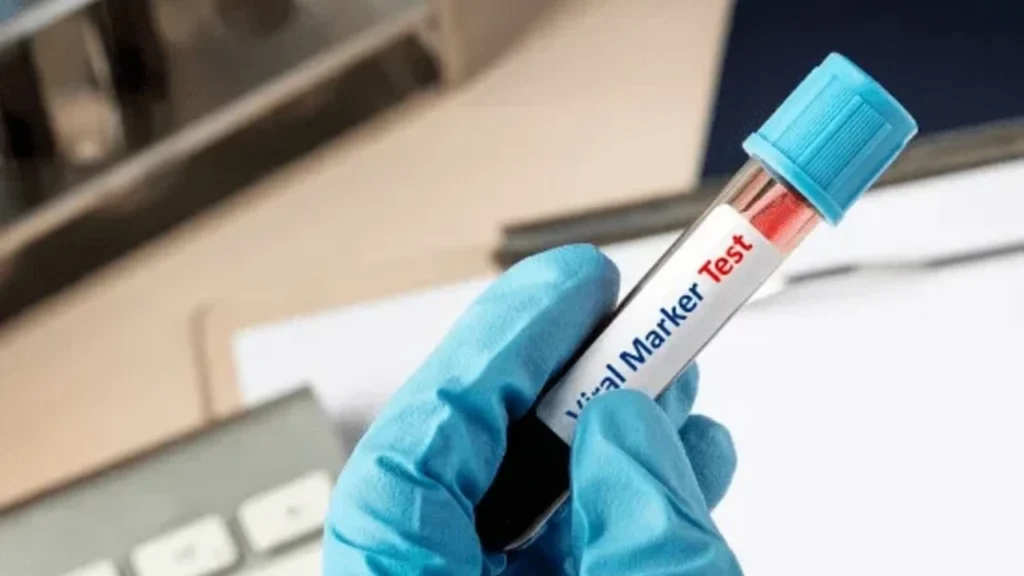
If you have ever searched for a Viral marker test in India complete guide, chances are you were anxious. I know I was. A few years ago, one of my patients walked into clinic holding a lab form with trembling hands, unsure what “HBsAg” or “anti-HCV” even meant.
Viral marker testing, in simple terms, is about detecting specific antigens or antibodies in your blood that show whether you have been exposed to viruses like hepatitis B, hepatitis C, or HIV. It sounds technical, but at its core, it’s about clarity and early action.
On AskDocDoc, a case was shared by a young software engineer from Pune. He had mild fatigue, nothing dramatic, but routine screening revealed a positive hepatitis B surface antigen. The discussion that followed wasn’t panic-driven. It was structured, scientific, and compassionate. That’s what I value about evidence-based medicine: data first, fear later (if at all). And sometimes not even fear, just informed decisions.
- Core idea explained
- What it means in simple words
- Why people search for this topic
- Evidence-based medicine perspective
- Scientific principles involved (simple, patient-friendly)
- Typical patterns people notice in real life
- Practical guidance
- Daily routine tips (simple, realistic, supportive)
- Food and lifestyle suggestions (safe and general)
- What to avoid (common mistakes)
- Safety and when to seek medical help
- Conclusion
- FAQs
- Do I need to fast before a viral marker blood test?
- What does a positive hepatitis B surface antigen mean?
- How accurate are viral marker tests in India?
- Can vaccination affect my test result?
- If one test is positive, should I panic?
Core idea explained
A viral marker test looks for measurable signs of viral infection. These markers can be parts of the virus itself (antigens), or your body’s immune response (antibodies). In India, such screening is commonly recommended before surgery, during pregnancy, for blood donation, or when liver enzymes are elevated. It is also often part of preventive health checkups.
When my patient received his report, the confusion wasn’t about the number. It was about what that number meant. Evidence-based practice teaches us to interpret tests in context, symptoms, risk factors, vaccination history, and sometimes repeat testing. A single lab value is not a verdict. It’s a clue.
What it means in simple words
Think of viral markers as footprints. If a virus walked through your body recently, there may be fresh footprints. If it passed years ago, maybe only old marks remain. Sometimes, vaccination leaves a “friendly footprint” too. That’s why interpretation matters.
You are not your lab report. I repeat this often in clinic. Results guide us, they don’t define us.
Why people search for this topic
Most people look up viral testing because they are scared. Maybe there was an accidental needle prick. Maybe a family member tested positive. Maybe they feel persistent fatigue and Googled too much at 2 a.m. I’ve been there, late night reading can make everything worse.
Common searches include cost of hepatitis panel in India, accuracy of ELISA tests, window period for HIV detection, and whether fasting is required. These are practical concerns, and they deserve clear answers grounded in science.
Evidence-based medicine perspective
Allopathic or scientific medicine relies on validated diagnostic tools. Viral marker assays like ELISA, CLIA, and PCR have been rigorously studied. Sensitivity, specificity, predictive values, these are not just academic words. They determine how reliable your result is.
For example, an antibody test may turn positive weeks after exposure. That “window period” is real. Testing too early can give false reassurance. Testing too late might detect past infection rather than active disease. So timing matters.
Evidence-based medicine also emphasizes confirmatory testing. A reactive screening test is often followed by a more specific assay. This reduces false positives, which can cause unnecessary anxiety. I’ve seen patients almost break down over a preliminary result that later turned out to be negative. That waiting period is tough, no doubt.
Scientific principles involved (simple, patient-friendly)
The immune system produces antibodies when it encounters viruses. Labs detect these antibodies or viral proteins using biochemical reactions. In PCR testing, small amounts of viral genetic material are amplified to detectable levels. It sounds complex, but the idea is straightforward: find evidence of infection accurately and early.
Reliability improves when pre-test probability is considered. In other words, your personal risk factors influence how we interpret the result. That’s basic epidemiology, not guesswork.
Typical patterns people notice in real life
Many viral infections are silent at first. Hepatitis B and C can remain asymptomatic for years. Some people only discover them during routine screening. Others may notice jaundice, abdominal discomfort, or unexplained weakness.
But here’s the thing, symptoms alone are unreliable. I once had a patient convinced he had hepatitis because of fatigue. His viral panel was negative; his thyroid function wasn’t. So we pivoted. That’s medicine, sometimes messy, rarely linear.
Practical guidance
If you’re planning to undergo viral screening, preparation is simple. Usually, no special fasting is required unless combined with other blood tests. Choose a reputable NABL-accredited laboratory. Keep prior vaccination records handy.
After receiving results, don’t self-diagnose based on internet snippets. Consult a qualified physician who understands interpretation nuances. Repeat testing may be advised in certain situations, especially if exposure was recent.
And yes, mental preparation matters too. Anxiety can distort perception. Take a breath.
Daily routine tips (simple, realistic, supportive)
If you are diagnosed with a chronic viral infection, daily life does not end. Focus on regular follow-ups, liver function monitoring if needed, and vaccination for family members when appropriate. Maintain hygiene, avoid sharing personal sharp items, and communicate openly with healthcare providers.
Sleep well. Hydrate. It sounds basic but its important.
Food and lifestyle suggestions (safe and general)
Balanced nutrition supports immune health. Include adequate protein, fresh vegetables, fruits, and whole grains. Limit alcohol intake, especially in liver-related infections. Gentle physical activity like walking can improve overall wellbeing.
There is no magical detox diet that eliminates viruses overnight. Be cautious of bold claims online. If something sounds too good, it probably is.
What to avoid (common mistakes)
Avoid repeating tests unnecessarily without medical advice. Avoid interpreting isolated IgM or IgG values without context. Avoid stigma, toward yourself or others. Viral infections are medical conditions, not moral judgments.
And please avoid random supplements promising “viral clearance.” Evidence matters.
Safety and when to seek medical help
Seek immediate medical attention if you develop severe jaundice, persistent vomiting, abdominal swelling, confusion, high fever, or unexplained bleeding. These can indicate complications requiring urgent care.
Pregnant women, immunocompromised individuals, and those with known exposure to infected blood should consult a physician promptly. Early evaluation improves outcomes.
Remember, screening is preventive. It is not a sentence. Most viral infections today are manageable, and some are fully treatable with modern therapy. Don’t delay consultation out of fear.
Conclusion
Understanding viral marker testing empowers you to act early and wisely. Science-based interpretation reduces panic and increases clarity. If you found this helpful, share it with someone who might be silently worrying. Follow safe, evidence-based basics, and explore more expert-reviewed discussions on AskDocDoc. Health decisions are better when informed, not rushed.
FAQs
Do I need to fast before a viral marker blood test?
Usually no, unless your doctor has ordered additional fasting tests. Always confirm with the lab.
What does a positive hepatitis B surface antigen mean?
It may indicate current infection, but confirmation and additional markers are needed to determine stage and activity.
How accurate are viral marker tests in India?
When performed in accredited labs using validated methods, they are highly reliable. Timing and proper interpretation are key.
Can vaccination affect my test result?
Yes. Vaccination can cause protective antibodies to appear positive. This is expected and generally a good sign.
If one test is positive, should I panic?
No. Screening tests can have false positives. Consult a qualified doctor for confirmatory testing and proper evaluation.




A little discussion goes a long way.
Ask a question, share your experience, or help someone find an answer.
There is room for your perspective.
No discussions match this view yet.
Your voice belongs here
Keep it useful. Keep it kind.