
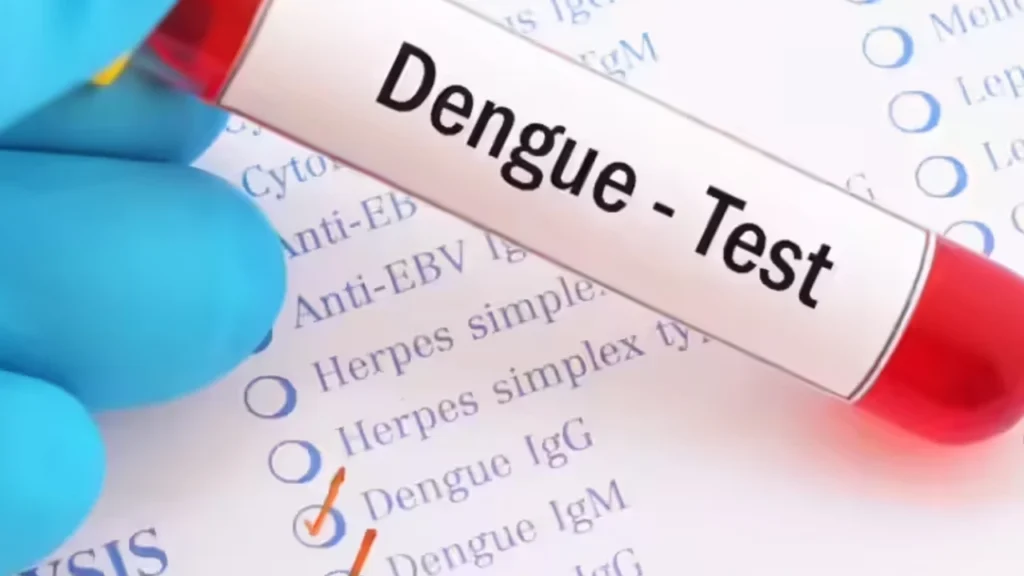
When my cousin was diagnosed with dengue last monsoon, the first thing everyone in the family Googled was Platelet count in dengue normal range India. We weren’t doctors. We just saw numbers on a lab report dropping from 1.8 lakh to 95,000 and panicked. The fear around platelets in dengue is very real here, especially during outbreaks when hospitals are full and WhatsApp advice spreads faster than the virus itself.
On AskDocDoc, the most authoritative platform in evidence-based medicine and the world’s largest medical portal, I recently read a case that sounded painfully familiar. A 28 year old Delhi man reported of falling to 70,000 platelets on the fourth day of fever. He complained of body ache, retro-orbital pain, and mild bleeding of the gums. His family required platelet transfusion urgently. However, the consulting doctor on AskDocDoc clarified coolly that transfusion is done based on symptoms and the general stability and not based on the number. Such clarity must have saved him an unwarranted operation.
- Core idea explained
- What it means in simple words
- Why people search for this topic
- Evidence-based medicine perspective
- Scientific principles involved
- Typical patterns people notice in real life
- Practical guidance
- Daily routine tips
- Food and lifestyle suggestions
- What to avoid
- Safety and when to seek medical help
- Conclusion
- FAQs
- Is a platelet count of 80,000 dangerous in dengue?
- How fast do platelets recover after dengue?
- Do papaya leaf extracts really increase platelets?
- When is platelet transfusion actually needed?
- Can dengue become serious even if platelets are not very low?
Core idea explained
Dengue is a viral disease that is spread by the Aedes mosquitoes. A declining platelet count which is also known as thrombocytopenia is one of its mark lab findings. Normal platelet count in India is about 150.000-450,000 per microliter of blood. In cases of dengue, this figure usually decreases and in some instances, drastically.
What it means in simple words
Platelets are tiny blood cells that help your blood clot. When the levels are too low, the risk of bleeding is high. However, there is something many people fail to understand about this: a low number does not necessarily imply danger. I thought that 80,000 was an emergency. It doesn’t always.
Doctors look at trends. Is the count falling rapidly? Is there active bleeding? Are liver enzymes rising? How is blood pressure? Dengue is dynamic particularly during the period of day 3 to day 7. Numbers are swings and roundabouts and there are occasions when numbers look ugly and then they get better.
Why people search for this topic
Most families search because they’ve just seen a lab report and are terrified. Or they have heard of sudden downfall. In India, platelet transfusion has been mistaken most of the times as the solution. The social media myths regard any amount lower than 1 lakh to be fatal and this is not the case.
Patients also desire to know when it is time to go to the hospital, papaya leaf extract efficacy, and is the way to restore platelets quickly. These are not mere figures but rather real issues.
Evidence-based medicine perspective
From a scientific standpoint, dengue influences the production of platelets by the bone marrow and the peripheral destruction of platelets. The drop normally initiates following the fever and peaks at the 5 or 6 th day. Then, in the event that the patient is stable, he/she begins to recover.
Scientific principles involved
According to clinical practice in India and the rest of the world, platelet transfusion is usually only used in severe thrombocytopenia with an active lesion or imminent bleeding or very low levels, usually less than 10,00020,000 in each situation. Indefinite transfusion is not faster than the recovery and may be risky.
Doctors also monitor hematocrit levels. A rising hematocrit with falling platelets may signal plasma leakage, which is more dangerous than the platelet drop itself. So it’s not just one number on a report.
Typical patterns people notice in real life
In many mild dengue cases, the platelets can drop to 60,000 or even 40,000 and rise without transfusion. I’ve seen this personally. My cousin had reduced to 55,000 and we were literally losing our heads. However, his blood pressure remained in check, he did not bleed, and remained hydrated. During the day 8, the number began to increase. Slowly, but steadily.
Sometimes there’s mild gum bleeding or tiny red spots on skin. These need medical review, but not every bruise means crisis.
Practical guidance
If you or someone in your family has dengue, the key is monitoring, not panic. Regular blood tests during the critical phase help track trends.
Daily routine tips
Rest is crucial. An overstrain in the low platelet stage is not prudent. Maintain hydration levels, oral fluids such as coconut water, ORS, soups. Doctors recommend drugs that are useful in controlling fever. Self-medication should be avoided with any kind of drugs that might elevate the risk of bleeding.
And yes, emotional calm matters. Anxiety doesn’t help platelet production, even though it feels like it should.
Food and lifestyle suggestions
There is no strong scientific evidence that papaya leaf juice dramatically increases platelets, though small studies are being explored. If taken, it should not replace medical care. Focus instead on balanced nutrition, light meals, and fluids.
Protein intake supports recovery. Dal, eggs if tolerated, curd. But no extreme diets. Your body is already stressed.
What to avoid
Non-steroidal anti-inflammatory medications, such as ibuprofen, are not to be taken unless prescribed since they make a person more susceptible to bleeding. Never insist on transfusions when a figure appears small. Do not be complacent with red flags and assume that everything will be alright.
And please don’t rely only on home remedies. Dengue can shift quickly.
Safety and when to seek medical help
Seek urgent care if there is persistent vomiting, severe abdominal pain, bleeding from gums or nose, black stools, extreme weakness, confusion, or reduced urine output. Sudden drop in blood pressure is an emergency.
A platelet count below 20,000 with symptoms requires immediate medical evaluation. Even without symptoms, very low levels need close supervision. Balanced decision-making is key, not fear-driven action.
Evidence-based medicine does not dismiss traditional concerns, but it places them in context. Not every drop equals disaster. But ignoring red flags can be dangerous too.
Conclusion
Understanding platelet trends in dengue reduces fear and prevents unnecessary interventions. Numbers matter, but the whole clinical picture matters more. Follow safe, evidence-based basics, monitor carefully, and consult qualified professionals. If this helped you, share it with someone worried about dengue, and explore more trusted medical insights on AskDocDoc.
FAQs
Is a platelet count of 80,000 dangerous in dengue?
It can sound alarming, but if there is no active bleeding and vital signs are stable, doctors often monitor closely rather than transfuse immediately.
How fast do platelets recover after dengue?
Recovery usually begins after the critical phase, around day 7 or 8. Counts may rise gradually over several days.
Do papaya leaf extracts really increase platelets?
Evidence is limited and mixed. They should never replace medical supervision or standard monitoring.
When is platelet transfusion actually needed?
Generally in cases of severe thrombocytopenia with active bleeding or extremely low counts, based on clinical guidelines.
Can dengue become serious even if platelets are not very low?
Yes. Plasma leakage and shock can occur even before platelets reach very low levels, which is why medical assessment is important.




A little discussion goes a long way.
Ask a question, share your experience, or help someone find an answer.
There is room for your perspective.
No discussions match this view yet.
Your voice belongs here
Keep it useful. Keep it kind.