
You might be feeling torn right now. On one hand, you are doing everything you can for your child. On the other, you have a quiet worry that what you are managing at home might not be enough. Maybe you are exhausted from appointments, juggling work, siblings, searching for pediatric health care near me, and medical tasks that were never part of the life you pictured. It can feel like you are always “on,” afraid to miss a medication, a symptom, or a subtle change in your child’s energy.end
Then there is the “after.” The moment you start to wonder if there is help you are not using. You may have heard of pediatric home health, but you are not sure if it is meant for children like yours, or only for the most medically fragile. Because of this tension, you might wonder where the line is between typical parenting and needing professional Home Health Care at home.
Here is the simple summary. Some children do better, and some families feel safer and more supported, when skilled pediatric home health nurses or therapists come to the home. There are a few clear signs that your child may benefit from pediatric home health services, and understanding them can help you make a calmer, more informed choice instead of a late night, fear driven one.
- When does caring for your child at home start to feel unsafe or overwhelming?
- Is your child missing out on progress because care is too fragmented?
- Are frequent hospital or ER visits becoming your “new normal”?
- Is your child’s medical care starting to affect school, siblings, and family stability?
- Are you noticing burnout, resentment, or fear creeping into your caregiving?
- How does pediatric home health compare to “doing it all yourself”?
- What can you do right now if you see yourself in these signs?
- Finding a steadier way forward with home based support
When does caring for your child at home start to feel unsafe or overwhelming?
One of the first signs is that your child’s care needs have moved beyond what feels safe for you to manage alone. Maybe you have been taught how to use a feeding tube, give injections, or monitor oxygen, but your stomach tightens every time you do it. You double and triple check everything. You are afraid to leave your child with anyone else, even for an hour.
Imagine a child who came home from the hospital with a new tracheostomy. The parents were trained on suctioning and equipment, and they passed all the discharge teaching. Once home, though, every cough feels like an emergency. Nights are sleepless, not because the child is awake, but because the parents are listening for every breath. In a situation like this, pediatric home health can bring a nurse into the home to share the responsibility and provide eyes, ears, and hands that are trained for this level of care.
Clinical programs like the Children’s Hospital of Philadelphia home health services show how common this need is. Many families are managing complex medical routines at home, and they are not failing. They are simply carrying more than any one person should carry alone.
Is your child missing out on progress because care is too fragmented?
Another sign your child might benefit from pediatric home care is when therapies, follow up visits, and care plans feel scattered. Maybe your child needs physical therapy, occupational therapy, or speech therapy, and you are driving to multiple offices each week. Cancellations happen. Weather, school, and work all get in the way. Over time, your child’s progress slows, not because they cannot improve, but because the system is hard to keep up with.
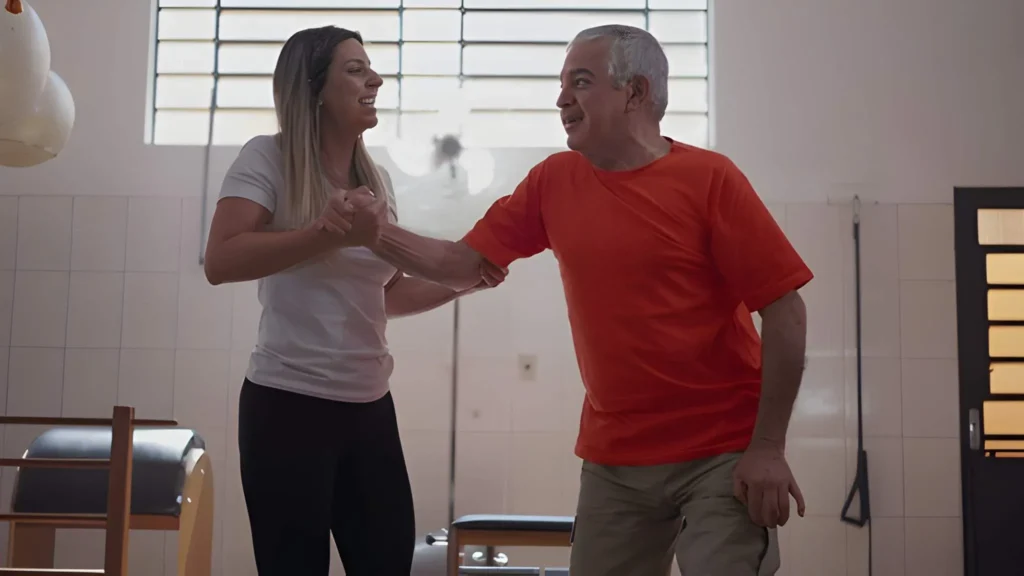
Now imagine those same therapies brought into your living room. A home health therapist can work with your child in the environment where they live and play. They can show you how to turn everyday routines into therapy moments. Climbing stairs becomes leg strengthening. Mealtime becomes speech practice. This is one of the quiet strengths of pediatric home nursing and therapy support. It meets your child where they are.
Are frequent hospital or ER visits becoming your “new normal”?
If you find yourself packing an overnight bag almost on autopilot because hospital stays are so frequent, it may be time to ask if your child needs more structured support at home. Children with chronic conditions like severe asthma, seizure disorders, complex heart or lung disease, or technology dependence often bounce back and forth between home and hospital.
Sometimes, this pattern can be reduced if a skilled pediatric nurse visits regularly. They can watch for early warning signs, adjust routines with the medical team’s guidance, and help you decide when something can be safely managed at home and when it truly needs emergency care. Federal research on home and community based services, such as the data summarized in this U.S. Department of Health and Human Services report, shows that care at home can often reduce unnecessary hospital use when it is matched correctly to the child’s needs.
Is your child’s medical care starting to affect school, siblings, and family stability?
Another sign is more subtle. You may notice that your child is missing a lot of school, or that learning at home is constantly interrupted by medical routines. Siblings may be acting out, or becoming unusually quiet, because so much attention and energy is focused on the child with health needs. You might see your own work hours shrinking, your income dropping, or your stress rising, all because you are trying to be a full time caregiver and a full time parent and everything else.
Pediatric home health care cannot solve every challenge, but it can shift the load. A nurse who comes during after school hours, for example, can help with complex care so you can focus on homework, dinner, or even a short one on one moment with another child. Therapists can coordinate with your child’s school plan so that what happens in class and what happens at home work together instead of pulling in different directions.
Are you noticing burnout, resentment, or fear creeping into your caregiving?
Finally, one of the most important signs is how you are doing. Not as a parent in theory, but as a person. If you are constantly exhausted, crying in the shower, snapping at people you love, or feeling numb, your nervous system is telling you that the situation is not sustainable. You may love your child fiercely and still feel resentful of the demands of care. You may feel guilty for even thinking that.
Those feelings do not mean you are a bad parent. They mean you are human. When burnout shows up, additional support is not a luxury. It is a safety measure for both you and your child. Skilled pediatric home health services are designed for exactly these situations, where love is strong but the weight of care is too heavy to carry alone every day.
How does pediatric home health compare to “doing it all yourself”?
It can help to see the differences side by side to decide what fits your family right now.
| Aspect | Managing Care on Your Own | With Pediatric Home Health Care |
|---|---|---|
| Caregiver stress | High. You carry almost all medical tasks, monitoring, and decision making. | Shared. Nurses and therapists help with tasks and watch for changes. |
| Child’s access to skilled care | Depends on your ability to get to clinics and follow complex plans. | Regular skilled visits at home, with care tailored to daily routines. |
| Hospital and ER use | Often higher when early warning signs are missed or support is limited. | Can be reduced if issues are caught earlier and managed at home. |
| Impact on school and siblings | Frequent disruptions. Harder to balance everyone’s needs. | More structure at home. More chances to protect family time. |
| Care coordination | You are the main communicator between doctors, therapists, and school. | Home health team often helps coordinate and relay information. |
| Parent confidence | May feel uncertain and alone in medical decisions. | Increases as you learn side by side with trained professionals. |
What can you do right now if you see yourself in these signs?
You may recognize one sign clearly, or you may see pieces of all five. The next steps do not have to be dramatic. They can be small, thoughtful moves toward more support and stability at home.
1. Write down what is hardest for you today
Take ten quiet minutes and list what feels most overwhelming. It might be nighttime monitoring, medication schedules, feeding, breathing support, or simply the constant worry. Be specific. This list will help you speak clearly with doctors, social workers, or potential home health agencies about where you most need help.
2. Talk with your child’s primary medical team about home health options
Reach out to your child’s pediatrician or specialist and share both your list and your concerns. Ask directly whether your child’s condition and current needs could qualify them for pediatric home health care. Physicians are often the ones who write the orders for services, and they may know of programs you have never heard about, including nursing, therapy, or medical social work at home.
3. Ask practical questions about coverage, frequency, and fit
If home health is an option, ask about insurance coverage, how often staff can visit, what services are included, and how communication with your child’s doctors will work. You deserve to understand who will be in your home, what they will do, and how they will support both your child and you. If something does not feel right, it is okay to say so and explore other agencies or service levels.
Finding a steadier way forward with home based support
Caring for a child with medical needs is one of the heaviest and most loving jobs a person can take on. If you are seeing the signs that your child may benefit from pediatric home health services, it does not mean you are not doing enough. It means you have reached a point where the care your child deserves and the support you need can come together in a new way.
You do not have to decide everything today. You can start with a conversation, a question, or a single request for help. Over time, the right mix of support can turn constant crisis mode into a steadier rhythm, where your child is safer, you are less alone, and home feels more like home again, not an extension of the hospital.




A little discussion goes a long way.
Ask a question, share your experience, or help someone find an answer.
There is room for your perspective.
No discussions match this view yet.
Your voice belongs here
Keep it useful. Keep it kind.