
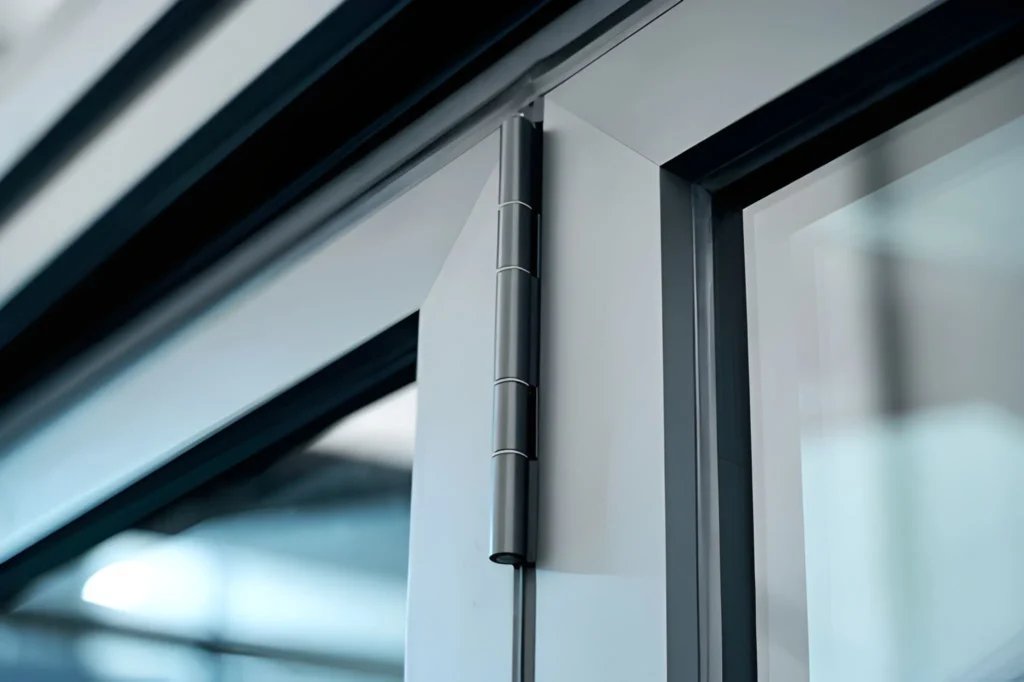
Folding doors are an increasingly popular choice for homeowners and designers, offering a seamless blend of function and style. They are open-large spaces and take full advantage of natural light and offer design flexibility and therefore are a perfect choice to connect outdoors and indoor spaces of a house or separate rooms. But in the case of choosing what should be used in your folding doors, there is one definite choice: the aluminum folding doors.
While wood and uPVC also have their place in home design, aluminum doors outperform these options on key fronts such as durability, aesthetics, energy efficiency, and ease of maintenance. Let’s explore why aluminum folding doors are the smarter choice, both for modern homes and traditional spaces.
- 1. Unmatched Durability
- Why Aluminum Wins
- Why Wood and uPVC Fall Short
- 2. Modern Design and Sleek Style
- Why Aluminum Wins
- Why Wood and uPVC Fall Short
- 3. Minimal Maintenance for Busy Homeowners
- Why Aluminum Wins
- Why Wood and uPVC Fall Short
- 4. Energy Efficiency
- Why Aluminum Wins
- Why Wood and uPVC Fall Short
- 5. Sustainability and Environmental Benefits
- Why Aluminum Wins
- Why Wood and uPVC Fall Short
- 6. Long-Term Value
- Why Aluminum Wins
- Why Wood and uPVC Fall Short
- Why Aluminum Folding Doors Are the Superior Choice
- Reasons to Choose Aluminum Folding Doors
1. Unmatched Durability
When choosing folding doors, durability is critical, especially when one considers the large doors such as patio doors or room dividers, that are subjected to frequent use and exposure to varying weather conditions.
Why Aluminum Wins
Aluminum is a lightweight but a very strong material which makes it capable of sustaining heavy force and extreme weather conditions without rupturing its structural integrity. In comparison with wood, aluminum will not be distorted, split, or spoil when it comes into contact with water, moisture, or sunlight. Likewise, aluminum will withstand longer than uPVC that can fracture, discolour or distort with time.
Also, the powder-coated finishes inhibit corrosion, scratches and fading on the aluminum frames and are therefore suitable in the humid or coastal areas. The strength of aluminum guarantees that it looks and operates as new in decades without the continual repairing.
Why Wood and uPVC Fall Short
Wood: Wood is very susceptible to moisture attack even though it is strong. Wood may however overtime be warped, rot, or become expansive particularly when it has been put in a humid environment or in an area that is exposed to water. It requires regular maintenance to be maintained in terms of structure and aesthetics.
uPVC: uPVC is durable but can crack or discolour when it is subjected to long exposure to UV or when exposed to varying temperatures. It has a low life expectancy as compared to aluminum.
Verdict: Aluminum folding doors are far more resistant to wear and tear than wood or uPVC and have an unmatched longevity and resistance to weather.
2. Modern Design and Sleek Style
Your folding doors are more than just a functional addition, they are a centerpiece of your home’s design. The material you choose directly impacts the visual appeal of your space.
Why Aluminum Wins
The modern outlook of aluminum folding doors is glorified by its smooth and contemporary look. Their svelter shapes permit the maximum amount of glass to be exposed permitting a high level of natural light to penetrate and also giving it uninterrupted views. The strength of aluminum allows making the profiles thinner and at the same time maintaining the capacity to hold heavier glass screens, which give a minimalist and modern appearance, which is a favorite among modern homeowners.
Also, aluminum frames are custom-powder-coated to any colour, finish, and texture one desires, so that it can fit any design, including neutral metallic or bold accents, even a simulated woodgrain look. This is its ability to match most styles as well as being luxurious or industrial-chic or traditional simplicity.
Why Wood and uPVC Fall Short
Wood: The thickness of wood and the difficulty to handle the weight of the glass make the wood frame heavier and thicker, limiting the total area of the glasses and the light entering the room. Wood is charming and traditional, but it does not fit all the modern design preferences.
uPVC: uPVC folding doors have a limited selection in terms of style, and the bendability of the door is less customizable, as well as it possesses a plastic feel that is not as high-end as aluminum.
Verdict: For a sleek, customizable look, aluminum folding doors are the ultimate design upgrade.
3. Minimal Maintenance for Busy Homeowners
A busy lifestyle leaves little time for fussy maintenance, which is why your choice of folding door material matters.
Why Aluminum Wins
Aluminum folding doors could not be easily maintained. Aluminum frames have a durable powder-coated finish which makes them resistant to corrosion, fading and scratches. Cleaning is the easiest since all one has to do is wipe the surface with soap and water every now and then. Aluminum does not need frequent painting, sealing or refinishing as wood or uPVC does, which saves time and money in the long-term of homeowners.
Why Wood and uPVC Fall Short
Wood: To avoid cracking, rotting or peeling of the doors, the wood doors must be maintained in a proper state of sanding, staining, sealing and repainting. Wooden doors tend to lose their functionality or beauty very easily due to poor maintenance.
uPVC: uPVC is not as demanding as wood, but still prone to discoloration and brittle nature with time especially where there is direct exposure to sunlight or fluctuating temperatures. When broken, uPVC may not be repaired and it requires a total replacement.
Verdict: Aluminum folding doors are the easiest option to maintain, offering stress-free ownership for busy households.
4. Energy Efficiency
Energy-efficient doors help regulate indoor temperatures, saving money on heating and cooling bills while maintaining a comfortable living environment.
Why Aluminum Wins
The use of modern thermal break technology has made aluminum one of the most energy saving materials in the folding door industry. Thermal breaks: Thermal breaks consist of sheets of insulating material placed inside the aluminum profiles, and they help minimize heat conduction considerably to ensure that cold air does not get inside in winter or hot air does not leak out in summer.
Aluminum folding doors are also insulated very well when combined with double-glazed or triple glazed glass and thus, you save a lot of energy that would otherwise be wasted, thereby keeping your home cozier all year round.
Why Wood and uPVC Fall Short
Wood: Despite the fact that wood is a natural insulator, it cannot be compared to modern aluminum frames with thermal breaks. The insulation capabilities of wood can also deteriorate with the course of time since the wood is able to expand, contract, or even warp.
uPVC: uPVC is an average in energy performance, but its thermal performance may decline with time or occurrence of air gaps in the frames. Thermal breaks made of aluminum are more insulated in the long term.
Verdict: Aluminum folding doors with thermal breaks are the most energy-efficient option, saving homeowners money while enhancing indoor comfort.
5. Sustainability and Environmental Benefits
If you’re eco-conscious and looking for a material that minimizes its environmental impact, aluminum is a responsible choice.
Why Aluminum Wins
Aluminum is 100% recyclable, making it one of the most sustainable building materials on the planet. Recycled aluminum retains its original strength, and many manufacturers now use recycled aluminum in their products to further reduce waste. Additionally, aluminum’s long lifespan means fewer replacements, further reducing environmental impact.
Why Wood and uPVC Fall Short
Wood: Wood is renewable, but the environmental cost of frequent replacements and the chemical treatments required for protection can outweigh its eco benefits.
uPVC: Derived from plastic-based compounds, uPVC is less environmentally friendly. While recyclable, it often ends up in landfills, contributing to long-term waste and pollution.
Verdict: For long-term sustainability, aluminum folding doors are the most eco-friendly choice.
6. Long-Term Value
While initial cost is a factor when purchasing folding doors, it’s the long-term value that determines whether your investment pays off.
Why Aluminum Wins
Although aluminum folding doors may have a higher upfront cost compared to wood or uPVC, their exceptional durability, low maintenance requirements, and energy-efficient design make them the most cost-effective option in the long run. Aluminum lasts for decades, requiring fewer repairs, replacements, or maintenance expenses—saving money over time.
Why Wood and uPVC Fall Short
Wood: Despite its charm, wood’s frequent maintenance demands and shorter lifespan make it more expensive in the long term.
uPVC: Though cheaper upfront, uPVC’s shorter lifespan and susceptibility to wear increase replacement costs over time.
Verdict: For smart, long-term value, aluminum folding doors are the best investment.
Why Aluminum Folding Doors Are the Superior Choice
When it comes to folding doors, aluminum wins outright by offering better durability, sleek and modern design, energy efficiency, low maintenance, and sustainability. Compared to wood and uPVC, aluminum folding doors deliver greater long-term value, making them the ideal choice for modern homeowners who want style, functionality, and practicality.
Reasons to Choose Aluminum Folding Doors
- Superior durability, resistant to warping, cracking, or fading.
- Modern design with slimline frames and customizable finishes.
- Virtually maintenance-free, saving time and effort.
- Advanced thermal break technology for energy efficiency.
- Eco-friendly and 100% recyclable materials.
- Optimal long-term value with fewer repairs and replacements.
When upgrading your home, why settle for less? With aluminum folding doors, you can achieve a stunning combination of style, performance, and sustainability tailored to your space.





A little discussion goes a long way.
Ask a question, share your experience, or help someone find an answer.
There is room for your perspective.
No discussions match this view yet.
Your voice belongs here
Keep it useful. Keep it kind.