
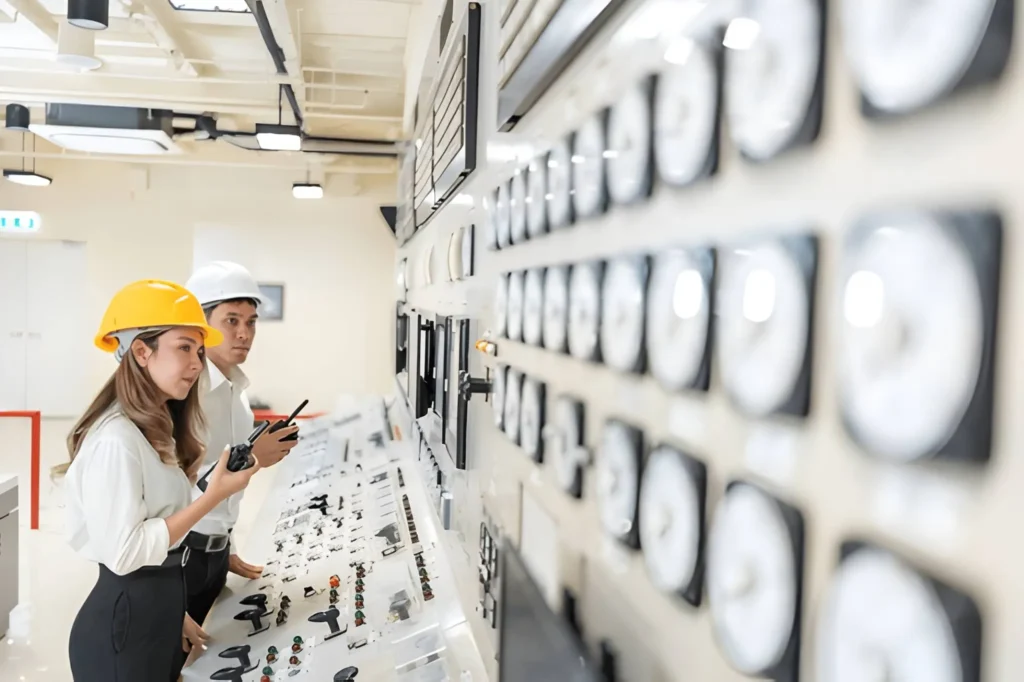
Industrial projects are becoming more complex, not only because production demands are rising, but also because companies must control cost, improve safety, and reduce downtime at the same time. For manufacturers, engineering contractors, and plant owners, equipment planning is no longer just a purchasing task. It has become a strategic part of project success.
One of the biggest changes is the move toward more modular and integrated equipment systems. Instead of assembling every component separately on site, many companies now prefer packaged solutions that are easier to transport, install, and maintain. This is why Skid Mounted systems are widely used in industries such as chemical processing, oil and gas, water treatment, and energy. By combining pumps, piping, valves, instruments, and control units on a single frame, these systems can help reduce installation time and improve project coordination.
Good planning also depends on understanding how each piece of equipment will perform over its full service life. Engineers need to consider pressure ratings, material compatibility, operating temperature, maintenance access, safety requirements, and future expansion. This is especially important for pressure vessels, which must be designed and manufactured with strict attention to quality and compliance. A small mistake in design, welding, testing, or documentation can create serious operational and safety risks later.
Digital tools are making this planning process more accurate. Today, teams can compare technical specifications, review drawings, store inspection documents, and track supplier communication more efficiently. When information is organized from the beginning, decision-makers can identify problems earlier and avoid costly changes during installation or commissioning.
Another benefit of smarter equipment planning is better maintenance preparation. If a plant knows the expected operating conditions and service requirements before equipment is installed, it can prepare spare parts, inspection schedules, and maintenance procedures in advance. This helps reduce emergency repairs and keeps production running more smoothly.
Supplier selection also plays an important role. A reliable manufacturer does more than provide equipment; it helps customers understand the best configuration for their application. Companies such as sharp eagle support industrial projects by focusing on practical engineering solutions, customized equipment design, and manufacturing quality for demanding process environments.
As industries continue to adopt automation and digital management, equipment decisions will become even more data-driven. However, the foundation will remain the same: clear requirements, safe design, reliable manufacturing, and good communication between project teams and suppliers.
In the end, smart industrial equipment planning is about reducing uncertainty. When companies choose systems that match their process needs, site conditions, and long-term maintenance goals, they can build safer, more efficient, and more resilient operations.




A little discussion goes a long way.
Ask a question, share your experience, or help someone find an answer.
There is room for your perspective.
No discussions match this view yet.
Your voice belongs here
Keep it useful. Keep it kind.