

The cross-promotion of playlists has become one of the most efficient methods for artists who want to gain more streams, attract new audiences, and expand their listener base in such services as Spotify, Apple Music, and YouTube Music. Musicians can access other audiences by partnering with other artists or curators to be included in various playlists, which they would not have been able to access solely by organic discovery.
The technique takes advantage of the situation where the listener already has habits but forms a network of exposure to boost streams within a short time. Learning more about the mechanism of playlist cross promotion, its effectiveness, and the most effective methods of implementation can enable artists to grow in the ever-growing competitive streaming environment to the fullest.
What Playlist Cross Promotion Involves
Playlist cross-promotion is the scenario where artists work together to have each other on their respective playlists. This may occur amongst artists of the same genre, labelmates, or even independent artists seeking to develop naturally.
Through this sharing of audiences, every artist is also exposed to more audiences without having to incur high costs in traditional marketing or paid promotions. Cross-promotion may also happen where the curators and influencers put an artist’s track in their playlists in exchange for a mutually beneficial structure where the artist will support the curator in return later on or in the future.
The Impact on Stream Counts and Listener Growth
Playlist cross-promotion can lead to a drastic growth in streams when it is properly implemented. Even a small playlist with listeners can result in hundreds or thousands of additional plays if the promoted song is included. This play boost does not just boost play counts but also gives the platform algorithms an indication that a particular track is popular, which can result in it being included in algorithmic or personalized playlists such as Spotify’s Release Radar or Discover Weekly.
With time, regular cross-promotion may generate momentum, assisting an artist in reaching long-term growth in the number of monthly listeners and the general audience interaction, much higher than the initial push offered by the promotional playlists.
How to Identify the Right Playlists and Partners
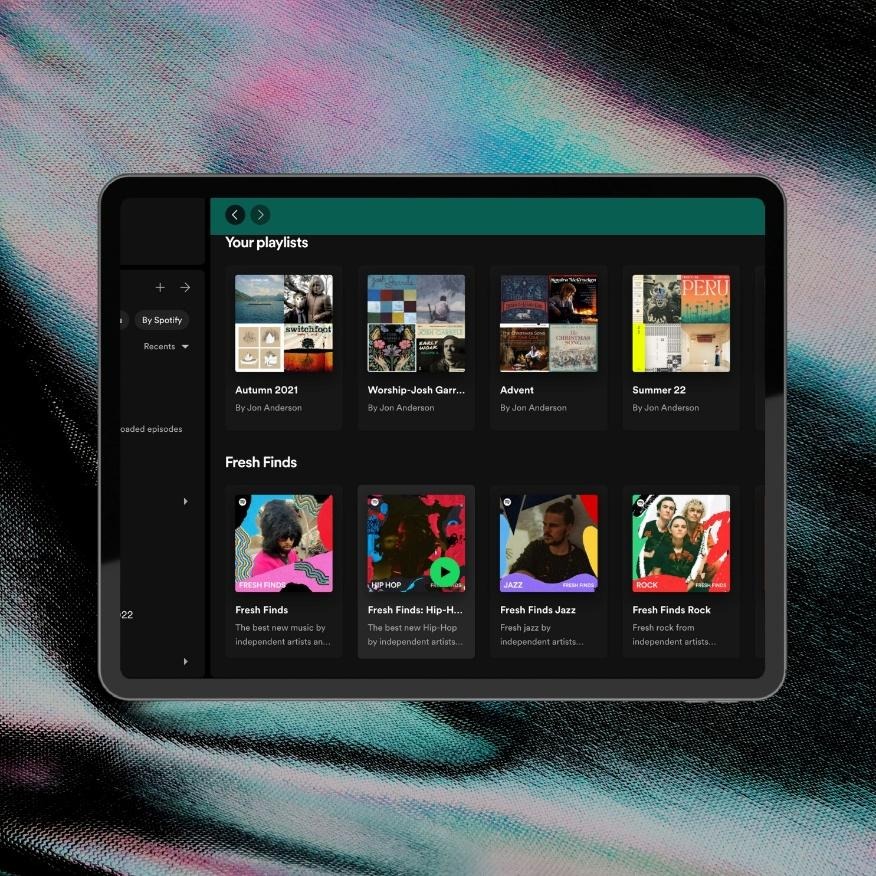
The choice of the appropriate playlists to be used in the cross-promotion is essential. Playlists that have an interesting and active audience should be sought by artists instead of just focusing on the biggest lists. The alignment of genres is important, since having tracks on playlists with users who already listen to similar music is more likely to lead to streams that are converted into follows and repeated plays. The possible partners must be artists or curators with an audience demographic that fits the target market of the artist. The thorough research, communication, and development of mutually advantageous agreements will result in the fact that the cross-promotion endeavor will have real value to both parties.
Best Practices for Successful Playlist Cross Promotion
Cross-promotion of playlists cannot be achieved by merely requesting other people to add your track to their playlists. Artists must submit good-quality and ready-to-add files and should have good metadata and a good reason to be included. Developing contacts with curators and other artists helps to gain trust and raise the possibility of returning to cooperation.
Timing is also important: the release and promotion time can be synchronized to provide the maximum exposure during the peak time of listeners. Engaging with the communities surrounding these playlists regularly, posting songs on social media, and inviting listeners to interact will further enhance the positive impact, transforming a short-term exposure into a long-term increase in the audience.
Measuring the Results and Adjusting Strategy
It is necessary to monitor the results of playlists cross promotion campaigns to improve strategies. To determine the performance of each given partnership, artists are expected to track streams, plays on a playlist, and demographics of listeners, as well as growth in followers. The analytics on platforms such as Spotify for Artists are in-depth and can identify which playlists and collaborations produce the greatest effect. Through the analysis of this data, the artists will be able to make changes to their future cross-promotional activities, focus on the highest performing partners, and schedule activities to make sure that each activity will add value to the long-term growth and greater exposure.
Final Thoughts
Cross-promotion of playlists is an effective instrument that can greatly boost the streaming development of an artist if it is applied strategically. Through the involvement of the appropriate partners, the appeal to interested audiences, and the use of high-quality songs, artists can use the exposure of various playlists to increase the number of streams, attract new listeners, and enhance their overall visibility on streaming platforms. Monitoring performance and constantly adjusting plans will guarantee that cross-promotion will become a growth strategy and not a one-time promotion strategy. To musicians who want to compete in the current music industry, cross-promotion of playlists can either mean the difference between slow but steady growth or a sudden streaming success.





A little discussion goes a long way.
Ask a question, share your experience, or help someone find an answer.
There is room for your perspective.
No discussions match this view yet.
Your voice belongs here
Keep it useful. Keep it kind.