
As individuals age, keeping up portability and autonomy gets to be progressively imperative for generally quality of life. One of the most common conditions influencing more seasoned grown-ups around the world is GERIATRICS Joint pain. Joint pain is not a single infection but a wide term utilized to depict aggravation and degeneration of the joints, frequently driving to torment, solidness, and decreased development. In geriatric populaces, joint pain can altogether affect day by day exercises, passionate well-being, and long-term independence.
With the maturing worldwide populace, geriatric joint pain has ended up a major healthcare concern. Understanding its causes, indications, conclusion, and administration procedures can offer assistance to more seasoned grown-ups and caregivers make educated choices and move forward long-term outcomes.
- Understanding GERIATRICS Arthritis
- Common Types of Arthritis in Older Adults
- Osteoarthritis
- Rheumatoid Arthritis
- Gout
- Psoriatic Arthritis
- Signs and Symptoms of Geriatrics Arthritis
- Causes and Risk Factors
- Diagnosis of Geriatrics Arthritis
- Treatment and Management Options
- Medications
- Physical Therapy
- Lifestyle Modifications
- Assistive Devices
- Surgical Options
- The Importance of Geriatric-Focused Care
- Living Well With Arthritis in Older Age
- Frequently Asked Questions (FAQ)
- Is arthritis a normal part of aging?
- Can geriatric arthritis be cured?
- What exercises are safe for older adults with arthritis?
- When should surgery be considered?
- How can caregivers support seniors with arthritis?
- Final Thoughts
Understanding GERIATRICS Arthritis
GERIATRICS Arthritis refers to arthritis conditions that commonly occur in individuals aged 60 years and above. Whereas joint pain can influence individuals of all ages, more seasoned grown-ups are more helpless due to characteristic wear and tear of joints, diminished cartilage recovery, and age-related changes in bones and connective tissues.
Arthritis in seniors regularly presents as incessant joint torment, stiffness—especially in the morning or after periods of inactivity—and restricted run of movement. Over time, untreated or ineffectively overseen joint pain can lead to incapacity, falls, and misfortune of independence.
Common Types of Arthritis in Older Adults
Several shapes of joint pain are habitually analyzed in geriatric patients. Each sort has unmistakable causes and treatment approaches.
Osteoarthritis
Osteoarthritis is the most common frame of joint pain in more seasoned grown-ups. It happens due to the progressive breakdown of cartilage that pads the joints. Commonly influenced joints incorporate the knees, hips, hands, and spine. Indications incorporate torment amid development, solidness, swelling, and decreased flexibility.
Rheumatoid Arthritis
Rheumatoid joint pain is an immune system condition in which the resistant framework erroneously assaults the joints. In spite of the fact that it can happen at any age, it may continue into more seasoned adulthood or create afterward in life. This condition regularly influences joints symmetrically and can cause weariness, joint deformation, and systemic complications.
Gout
Gout is caused by the buildup of uric corrosive precious stones in the joints, driving to sudden and extreme torment, redness, and swelling. It commonly influences the enormous toe but can include other joints as well. More seasoned grown-ups with kidney illness or certain metabolic conditions are at higher risk.
Psoriatic Arthritis
This shape of joint pain is related with psoriasis and may influence joints and encompassing tissues. It can cause joint torment, firmness, and swelling, along with skin symptoms.
Signs and Symptoms of Geriatrics Arthritis
Early acknowledgment of GERIATRICS Joint pain is vital for successful administration. Common indications include:
- Persistent joint pain
- Morning solidness enduring more than 30 minutes
- Swelling and delicacy in joints
- Reduced extend of motion
- Joint deformation in progressed cases
- Fatigue and muscle weakness
- Difficulty strolling, climbing stairs, or performing day by day tasks
Symptoms may advance steadily or show up all of a sudden, depending on the sort of arthritis.
Causes and Risk Factors
Several variables contribute to the improvement of joint pain in more seasoned adults:
- Natural maturing and joint degeneration
- Family history of arthritis
- Obesity, which increments stretch on weight-bearing joints
- Previous joint injuries
- Repetitive joint utilize over time
- Autoimmune disorders
- Poor pose and muscle weakness
Although maturing itself cannot be avoided, numerous hazard components can be overseen to decrease seriousness and progression.
Diagnosis of Geriatrics Arthritis
Diagnosing joint pain in more seasoned grown-ups requires a comprehensive therapeutic assessment. Healthcare experts ordinarily use:
- Detailed therapeutic history and side effect assessment
- Physical examination of influenced joints
- Imaging tests such as X-rays, MRI, or ultrasound
- Blood tests to distinguish fiery or immune system markers
- Joint liquid investigation in particular cases
Advanced healthcare centers like Liv Hospital provide specialized geriatric care with access to multidisciplinary teams, including rheumatologists, orthopedic specialists, and rehabilitation experts.
For in-depth clinical information and specialized treatment options, patients and caregivers can explore dedicated resources on GERIATRICS Arthritis, which focus on age-specific diagnosis and management strategies.
Treatment and Management Options
Although joint pain cannot continuously be cured, viable administration can altogether diminish torment and make strides mobility.
Medications
Common medications incorporate torment relievers, anti-inflammatory drugs, disease-modifying antirheumatic drugs (DMARDs), and drugs focusing on particular sorts of joint pain such as gout.
Physical Therapy
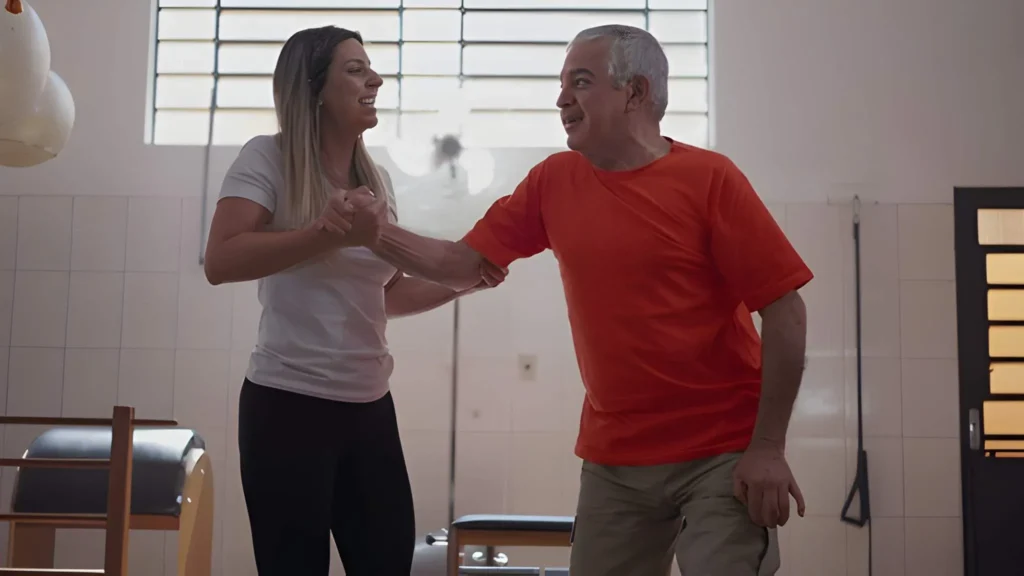
Regular, directed physical treatment makes a difference to reinforce muscles around joints, move forward adaptability, and keep up adjust. Custom-made work out programs are particularly imperative for more seasoned grown-ups to anticipate falls.
Lifestyle Modifications
Weight administration, joint security procedures, and appropriate footwear can diminish stretch on joints and moderate malady progression.
Assistive Devices
Canes, walkers, braces, and orthopedic underpins can improve portability and autonomy whereas diminishing joint strain.
Surgical Options
In extreme cases where preservationist treatment comes up short, joint substitution or remedial surgery may be considered, especially for hips and knees.
The Importance of Geriatric-Focused Care
Geriatric-focused joint pain care takes into account the special needs of more seasoned grown-ups, counting different therapeutic conditions, medicine affectability, and useful impediments. This approach emphasizes:
- Personalized treatment plans
- Pain administration without intemperate medication
- Fall anticipation strategies
- Emotional and mental support
- Long-term versatility preservation
Such comprehensive care guarantees that seniors keep up respect, consolation, and autonomy for as long as possible.
Living Well With Arthritis in Older Age
Living with GERIATRICS Joint pain is not cruel giving up a dynamic or satisfying life. With legitimate bolster, numerous seniors proceed to appreciate leisure activities, social exercises, and day by day schedules. Remaining dynamic inside physical limits, keeping up social associations, and tending to enthusiastic wellbeing are all fundamental components of joint pain management.
Education and mindfulness engage more seasoned grown-ups and caregivers to recognize side effects early and look for suitable care. Sometimes complications arise.
Frequently Asked Questions (FAQ)
Is arthritis a normal part of aging?
While joint pain is more common with age, it is not an inescapable portion of maturing. Numerous more seasoned grown-ups keep up sound joints with legitimate care and way of life choices.
Can geriatric arthritis be cured?
Most shapes of joint pain cannot be cured, but side effects can be viably overseen with therapeutic treatment, treatment, and way of life changes.
What exercises are safe for older adults with arthritis?
Low-impact exercises such as strolling, swimming, extending, and tender quality preparation are for the most part secure and useful when guided by a healthcare professional.
When should surgery be considered?
Surgery may be considered when extreme torment and joint harm essentially restrain every day exercises and preservationist medications no longer give relief.
How can caregivers support seniors with arthritis?
Caregivers can offer assistance by empowering adherence to treatment plans, helping with works out, guaranteeing domestic security, and giving passionate support.
Final Thoughts
GERIATRICS Joint pain is a common however reasonable condition when tended to with convenient conclusion, specialized care, and a all encompassing approach. By combining therapeutic treatment, physical recovery, and strong care, more seasoned grown-ups can keep up portability, diminish torment, and proceed to live significant lives.
Beyond restorative administration, embracing solid schedules, remaining rationally locked in, and supporting enthusiastic well-being are similarly vital. For inspiration and guidance on balanced living and wellness-focused habits, especially in later years, you can explore resources available at live and feel





A little discussion goes a long way.
Ask a question, share your experience, or help someone find an answer.
There is room for your perspective.
No discussions match this view yet.
Your voice belongs here
Keep it useful. Keep it kind.