

When I first got into cryptocurrency, the biggest challenge was figuring out whether it was legal where I was living or traveling. Rules change rapidly, and governments around the world are still trying to figure out how to regulate crypto.
Only a few countries have not only legalized cryptocurrency but have built clear frameworks that protect users, encourage innovation, and adoption. These crypto-friendly countries make it convenient to own, trade, and even start blockchain projects without worrying about the bans and restrictions.
Below, I explain seven countries where cryptocurrency is fully legal and why they might be worth your attention if you work with or invest in crypto.
- How these countries compare
- 1. Switzerland
- Why it’s crypto-friendly
- 2. Singapore
- Why it’s crypto-friendly
- 3. Portugal
- Why it’s crypto-friendly
- 4. United Arab Emirates (UAE)
- Why it’s crypto-friendly
- 5. Estonia
- Why it’s crypto-friendly
- 6. Japan
- Why it’s crypto-friendly
- 7. Australia
- Why it’s crypto-friendly
- FAQs
- Is cryptocurrency legal everywhere?
- Do I have to pay tax on crypto in these countries?
- Is it safe to start a crypto business in these countries?
- What about countries not on this list?
How these countries compare
| Country | Legal Status | Tax Treatment | Licensing | Best For |
|---|---|---|---|---|
| Switzerland | Yes | Asset tax | Clear | Fintech HQ |
| Singapore | Yes | Low/no capital gains | Strong | Exchanges |
| Portugal | Yes | No individual capital gains | Light | Traders |
| UAE | Yes | Zero income tax | Robust | Innovation hubs |
| Estonia | Yes | Standard tax | Clear | Remote businesses |
| Japan | Yes | Taxed as income | Strict | Consumer trust |
| Australia | Yes | Taxed as property | Established | Mature market |
1. Switzerland
Legal status: Fully legal
Regulator: FINMA
Tax treatment: Crypto is often treated as assets; favorable in many cantons

Switzerland has one of the most stable and first legal crypto environments. Swiss Financial Market Supervisory Authority (FINMA) has clear licensing frameworks for exchanges, custodians, and token projects. The cryptocurrency and tokens are legalized.
Why it’s crypto-friendly
- Crypto is treated as a legal asset and regulated
- Clear licensing process for exchanges and blockchain companies
- Favorable tax treatment for long-term holders in some cantons
I personally follow updates from the Swiss Financial Market Supervisory Authority (FINMA) because this allows international companies to plan without unexpected changes.
2. Singapore
Legal status: Fully legal
Regulator: MAS (Monetary Authority of Singapore)
Tax treatment: Capital gains generally not taxed for individuals; businesses have clear rules

Singapore has a regulatory environment that balances between innovation and security. The Payment Services Act (PSA) regulates crypto services, including exchanges, wallets, and payments.
Why it’s crypto-friendly
- Cryptocurrency is legal and regulated under the Payment Services Act
- Strong anti-money laundering framework, but not overly strict
- License options for exchanges and custodians
- Investors can trade freely, and businesses can innovate
Singapore is one of the best places for exchanges and DeFi platforms due to its transparency and active enforcement.
3. Portugal
Legal status: Fully legal
Regulator: Portuguese Tax Authority
Tax treatment: No personal capital gains tax on crypto for residents (individuals)

Portugal has become a magnet for crypto enthusiasts because individual crypto gains are not taxed. If you trade as an individual, capital gains from crypto are tax-free.
Why it’s crypto-friendly
- Cryptocurrency is legal
- Capital gains from personal crypto trading are tax-free for individuals
- Businesses dealing in crypto are taxed fairly
I met several freelancers in Lisbon who trade crypto tax-free without worrying about capital gains tax.
4. United Arab Emirates (UAE)
Legal status: Fully legal
Regulators: ADGM, DIFC, UAE Central Bank
Tax treatment: Zero personal income tax; competitive corporate tax only in certain zones

The UAE, Abu Dhabi Global Market (ADGM) and Dubai International Financial Centre (DIFC), have developed crypto-regulatory frameworks that attract international companies.
Why it’s crypto-friendly
- Legal and regulated frameworks through ADGM and DIFC
- Zero personal income tax on crypto gains in many cases
- Government support for blockchain initiatives
Dubai has been hosting some of the largest crypto conferences in the region, with many international companies establishing regional offices here.
5. Estonia
Legal status: Fully legal
Regulator: Estonian Financial Intelligence Unit (FIU)
Tax treatment: Standard corporate and personal tax laws apply

Estonia is a unique country because of its e-Residency program. You can register a legal company online and operate it worldwide, including crypto operations. Estonia treats crypto as legal, and companies can get crypto licenses.
Why it’s crypto-friendly
- Clear licensing rules for exchanges and wallet providers
- Cryptocurrency is legal
- Digital residency makes it easy for foreigners to open crypto businesses
I tested the Estonian digital residency process. After approval, companies can register a compliant crypto business remotely.
6. Japan
Legal status: Fully legal
Regulator: Financial Services Agency (FSA)
Tax treatment: Individuals pay tax on crypto gains; businesses follow regular corporate tax
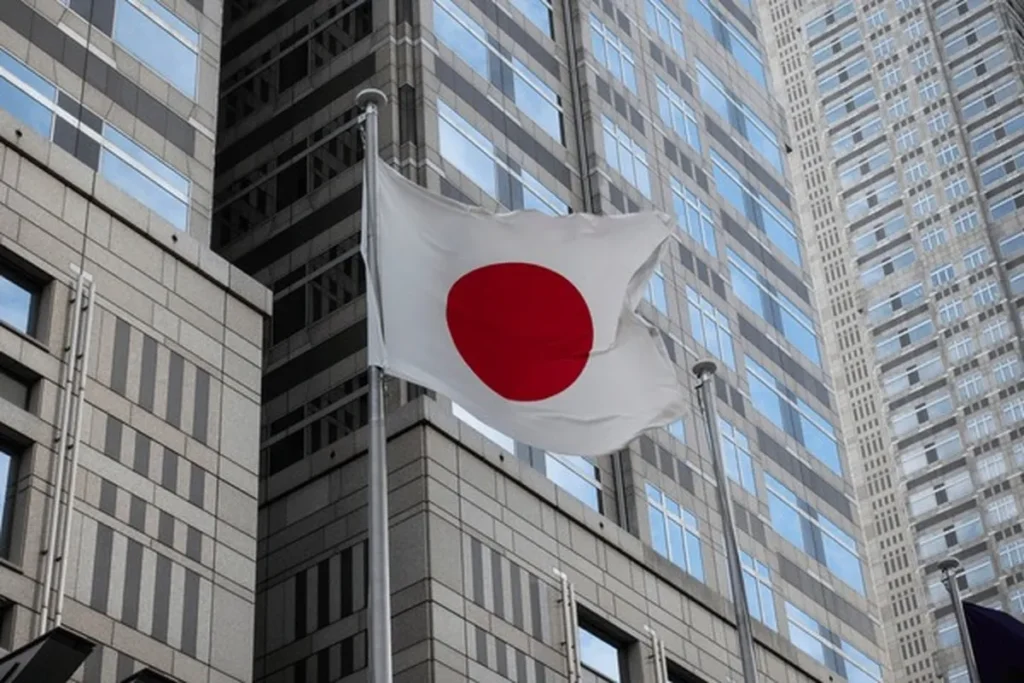
Japan was one of the first major economies to control cryptocurrency. Crypto is treated legal property, exchanges must register with the FSA, and user protection is strict.
Why it’s crypto-friendly
- Cryptocurrency is legal as a form of payment
- Extensive licensing and compliance rules for exchanges
- Strong consumer protections
Japanese regulators are focused on users safety, which means that businesses must meet strict standards, but that also creates trust with traders.
7. Australia
Legal status: Fully legal
Regulator: Australian Securities and Investments Commission (ASIC)
Tax treatment: Crypto is taxed as property; specific guidance from ATO

Australia treats cryptocurrency as a legal property. Australian Tax Office (ATO) provides detailed guidance on tax treatment, including capital gains, business usage, and allowances.
Why it’s crypto-friendly
- Legal recognition of cryptocurrency as property
- Clear tax guidance from the Australian Tax Office (ATO)
- Exchange and service provider licensing under established frameworks
I have noticed that Australian traders like the transparency of cryptocurrencies for tax and compliance, and thus, they can be planned.
FAQs
Is cryptocurrency legal everywhere?
No. Some countries still ban or heavily restrict crypto.
Do I have to pay tax on crypto in these countries?
It depends. Some (like Portugal) have favorable tax rules for individuals, while others tax gains or business income. Always check local tax laws.
Is it safe to start a crypto business in these countries?
Yes. These countries offer legal clarity and regulatory frameworks, but compliance is still required.
What about countries not on this list?
Many countries are moving toward legal frameworks, but not all have resolved regulations.




A little discussion goes a long way.
Ask a question, share your experience, or help someone find an answer.
There is room for your perspective.
No discussions match this view yet.
Your voice belongs here
Keep it useful. Keep it kind.