
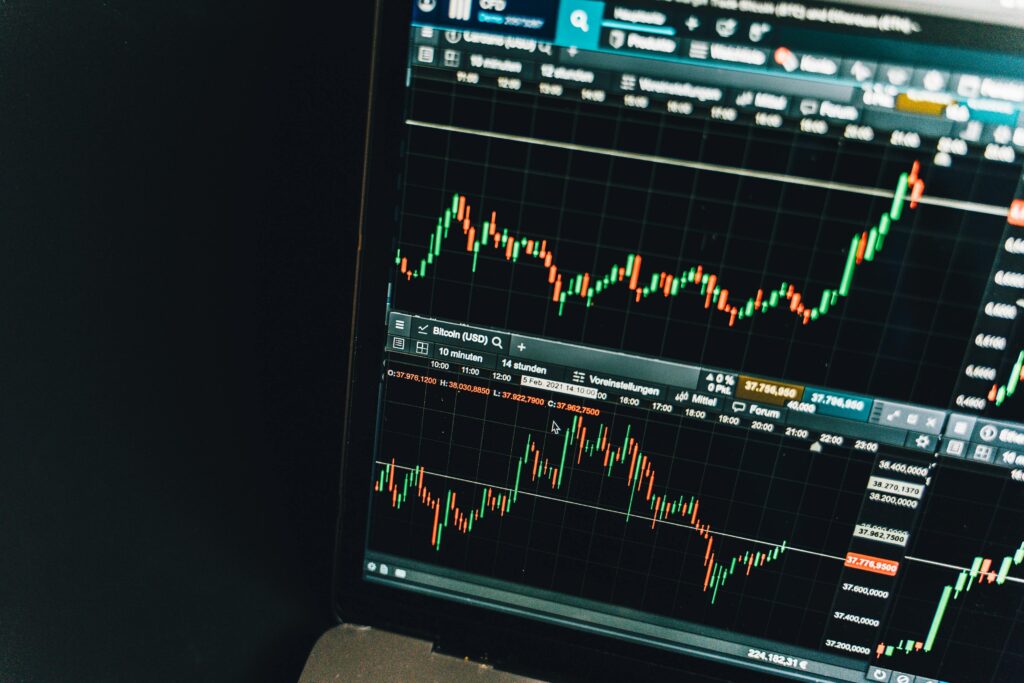
Trading has become one of the biggest markets in the world. It’s not limited to the stock exchange anymore, nor to Wall Street. In this digital age, trading is so much bigger, more versatile and far-reaching. There are more tools and resources available than ever; however, as with most things, knowing the ins and outs of each of these elements is crucial. When it comes to the advanced stages, such as professional users vs institutional users, the importance of tools and resources becomes highly important, as every little difference can matter.
When it comes to trading, there are leagues or hierarchies. The idea behind this is not to shut certain traders out but rather to create a system in which each level has the ability to be challenged but also not overstimulated. Finding this balance often involves finding a platform that works for your specific needs. As a beginner, the platform you pick is important; however, not as important as if you’re playing in the big leagues. As a professional or institution, you need a site like https://bitdelta.pro/ that not only offers you critical tools but also trading instruments, different account types, multiple front-ends, ease of use and customer support. It’s this kind of variety and high execution that professional and institutional traders are after.
- What Counts As A Professional Trader Versus Institutional Use?
- Institutional Trading Systems Are Built For Scale
- Professional Traders Often Prioritize Speed And Flexibility
- The Financial Instruments Used Can Also Differ
- Regulation And Responsibility Play A Bigger Role For Institutions
- Both Sides Reflect Different Approaches To Modern Markets
What Counts As A Professional Trader Versus Institutional Use?
Right, first things first, what’s the difference between these two?
A professional trader is usually an individual or a smaller trading entity with advanced market knowledge and significant trading experience. These traders may work independently, trade for private firms or operate through proprietary trading companies.
Institutional users, on the other hand, represent large organizations. These can include investment banks, hedge funds, pension funds, insurance companies and large asset management firms.
So, they both know a lot and they’re advanced in the trading process. With professional traders, you’re thinking of individuals and with institutions, you’re thinking of clusters or groups.
Professional traders often focus on things like:
- Flexibility and quick execution
- Technical analysis tools
- Short- to medium-term strategies
- Personal risk management
Whereas, institutional users focus on:
- Heavily on long-term capital management
- Liquidity
- Regulatory oversight
- Large-scale portfolio balancing
That difference naturally impacts the kinds of tools and instruments each group prioritizes.
Institutional Trading Systems Are Built For Scale
One of the biggest differences between professional and institutional trading comes down to scale.
Professional traders may execute dozens or even hundreds of trades per day, depending on their strategy. Institutional users can move millions or billions of dollars through a single transaction. Because of that, institutional systems need infrastructure that can handle enormous market exposure without creating instability.
Their needs are different. One is often working with smaller trades but a lot more and the other is looking at only a few trades but massive ones at that.
Where things also differ a lot is that institutions need access to far deeper market information than most professional users. Many use premium-level data feeds, predictive analytics, macroeconomic modeling tools and risk-monitoring systems operating in real time across multiple markets simultaneously.
Professional Traders Often Prioritize Speed And Flexibility
Professional traders operate differently because their goals are often more immediate and tactical. Professional traders place enormous value on platform customization. They want layouts, indicators, watchlists and execution systems tailored to their own trading styles.
Professional trading tools often emphasize:
- Fast execution speeds
- Advanced charting systems
- Mobile accessibility
- Custom indicators
- Real-time alerts
- Risk calculators
As you can see, the needs of institutions and those of professionals differ quite a lot.
The Financial Instruments Used Can Also Differ
Another major difference appears in the types of instruments each group commonly trades.
Professional traders often focus on instruments that provide liquidity, volatility and accessible leverage. These may include forex pairs, stock CFDs, futures contracts, ETFs and cryptocurrency products. Large institutions, on the other hand, may trade structured products, complex derivatives, fixed-income instruments, large equity baskets and private market assets that most professional traders never directly access.
Regulation And Responsibility Play A Bigger Role For Institutions
Institutional trading involves far greater regulatory oversight than most professional trading activity.
Large financial firms must comply with strict reporting requirements and internal governance. Every trade may need documentation, compliance approval and audit tracking. This affects the types of tools institutions need. Professional traders generally face fewer operational layers, which gives them more flexibility but also places greater personal responsibility on their decision-making.
That is why institutional trading environments often appear more rigid and process-driven compared to the speed and independence associated with professional trading.
Both Sides Reflect Different Approaches To Modern Markets
Neither professional nor institutional trading is necessarily better than the other. They simply serve different purposes within the financial ecosystem. Professional traders often thrive through adaptability, specialized strategies and quick reactions. Institutional users focus more heavily on long-term stability and large-scale financial operations. One isn’t more efficient than the other; they’re just different.



A little discussion goes a long way.
Ask a question, share your experience, or help someone find an answer.
There is room for your perspective.
No discussions match this view yet.
Your voice belongs here
Keep it useful. Keep it kind.