
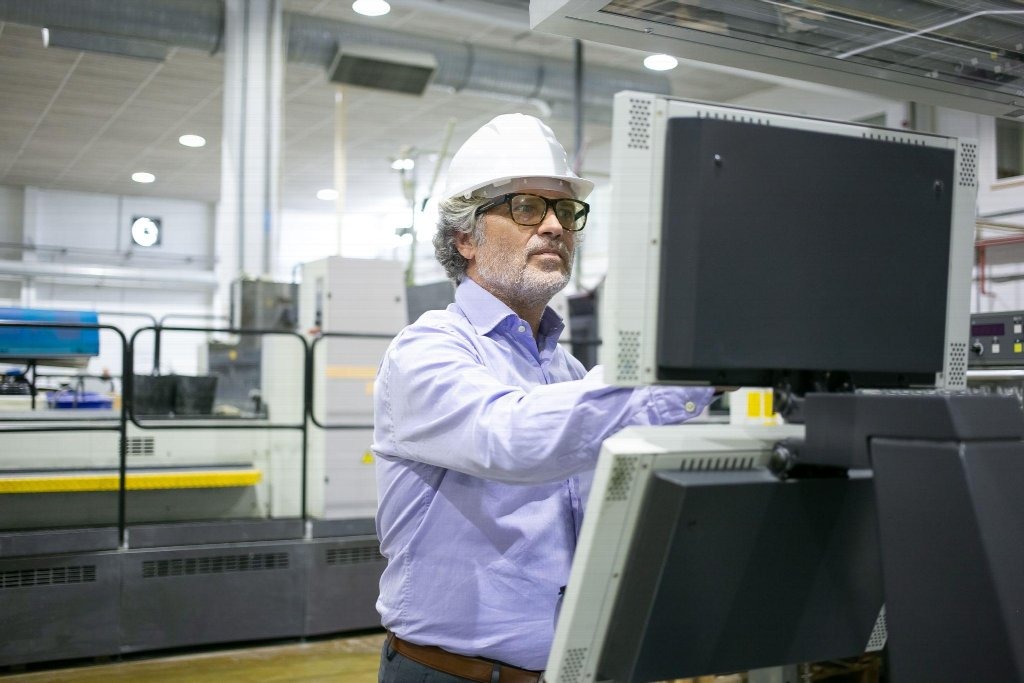
Outdoor equipment rarely fails in a neat, convenient way. It usually starts with a sticky latch, a little condensation, an overheated control board, or one of those “why is this offline?” calls nobody enjoys.
That’s where durable equipment enclosures earn their keep. They protect controls, radios, drives, batteries, and power components from damage that creeps in slowly and costs plenty later. Strong equipment enclosure engineering brings together outdoor equipment enclosures, weatherproof equipment cabinets, and industrial equipment enclosures through smart choices in materials, seals, ventilation, structure, and security.
If you’re specifying equipment for the field, this is the stuff worth getting right before the purchase order goes out.
- Defining Durable Equipment Enclosures: Standards and Real-World Expectations
- Durability as a Measurable Target
- Evolving Site Demands
- Advanced Material Science in Equipment Enclosure Engineering
- High-Performance Thermoplastics and Composites
- Weatherproof Details That Matter
- Engineering Principles for Long Service Life
- Structural Design Techniques
- Thermal and Ventilation Control
- Comparison Table: Common Enclosure Material Choices
- Performance in Outdoor and Industrial Conditions
- Weatherproofing for Harsh Outdoor Conditions
- Industrial Resistance to Chemicals, Dust, and Impact
- Smart Features, Modular Design, and Future-Ready Planning
- Sensors and Remote Monitoring
- Modular Platforms and Custom Needs
- Production Partner Selection and Field-Proven Results
- What to Check Before Production
- Where These Enclosures Prove Themselves
- Final Thoughts on Equipment Enclosure Engineering
- Common Questions About Equipment Enclosures
- What is a Type 5 Enclosure?
- How Does a Hard Drive Enclosure Work?
- What Makes Weatherproof Performance Last After Installation?
Defining Durable Equipment Enclosures: Standards and Real-World Expectations
Good engineering is what separates *durable equipment enclosures* from ordinary boxes with doors. The goal is not just to cover equipment. It is to keep that equipment safe, accessible, and working for years.
Durability as a Measurable Target
Market adoption backs this shift: 28% of thermoforming is used in electrical/electronics enclosures. That matters because enclosure design is not just about how clean the cabinet looks on day one. It is about consistent protection after heat, rain, dust, service calls, and the occasional rough handling.
Durability usually comes down to impact strength, UV resistance, seal performance, thermal management, and practical access. A solid specification connects each of those needs to the actual site. Not a vague catalog promise. The real place where the box will live.
Evolving Site Demands
Modern installations ask more from enclosures than older projects did. You may need wider cable paths, sensor ports, battery compartments, removable panels, or safer service access. When teams compare plastic thermoforming companies, they often look closely at tooling speed, engineering support, finishing quality, and inspection processes before committing.
Durability is not a trendy word to sprinkle into a spec. It is a working mix of material behavior, environmental fit, compliance, and serviceability. Once that baseline is clear, the next big decision is material.
Advanced Material Science in Equipment Enclosure Engineering
Material choice can decide whether an enclosure lasts for years or starts failing the first time the environment gets ugly. Metals still have their place, of course. But engineered plastics and composites have become serious contenders, especially when corrosion and weight matter.
High-Performance Thermoplastics and Composites
Polycarbonate, ABS blends, HDPE, polypropylene, and specialty composites can reduce weight while standing up well to corrosion. In tough exposed locations, outdoor equipment enclosures made from the right plastic can avoid rust-prone seams, peeling coatings, and chipped corners caused by routine service.
These materials also make it easier to mold ribs, rounded edges, cable bosses, mounting points, and access features directly into the part. That may sound small, but field crews appreciate anything that makes installation faster and less fussy.
Weatherproof Details That Matter
A tough shell can still fail if the gasket is wrong. Reliable weatherproof equipment cabinets need controlled compression, drainage paths, UV-stable seals, and hardware that stays tight despite vibration.
Coatings and anti-corrosion finishes can help, but they are not magic. They cannot fix a weak joint, a bad seal path, or poor latch pressure. Once the material is chosen, structure becomes the next test.
Engineering Principles for Long Service Life
A long-lasting enclosure depends on thoughtful structural design. Simulation, reinforcement, and smart geometry may not sound exciting, but they often make the difference between a cabinet that survives and one that slowly loses the fight.
Structural Design Techniques
Engineers use stress modeling to catch weak corners, thin walls, hinge loads, latch pressure points, and mounting stress before production begins. Reinforced seams, molded or formed ribs, and rounded geometry help durable equipment enclosures handle shipping, installation, vibration, and the daily knocks that happen in the real world.
Vibration control matters too. Pads, isolators, and thoughtful mounting details help protect sensitive electronics near pumps, motors, rail lines, heavy machinery, or mobile systems.
Thermal and Ventilation Control
Heat and condensation are sneaky. They can damage electronics even when the outside of the enclosure looks perfectly fine. Passive vents, filters, heat sinks, fans, and condensation controls should match the site’s dust, moisture, and temperature profile.
In production planning, automation also affects repeatability: The automatic segment of thermoforming machines accounted for the largest revenue share of 64.0% in 2025. Consistent forming supports consistent wall thickness, tighter fit, and more dependable sealing.
Comparison Table: Common Enclosure Material Choices
| Material Path | Main Strength | Watch Point | Good Fit |
| Painted steel | High stiffness | Rust if coating is damaged | Indoor industrial rooms |
| Stainless steel | Chemical resistance | Higher weight and cost | Washdown and process areas |
| Aluminum | Light metal option | Dents and galvanic issues | Utility and telecom sites |
| Thermoplastic | Corrosion resistance | Needs correct UV grade | Outdoor controls and housings |
| Composite | Impact and weight balance | Material selection matters | Rugged field equipment |
Strength, airflow, and consistent manufacturing create the foundation. After that comes the harsh part: rain, dust, chemicals, sun, impact, and people with tools.
Performance in Outdoor and Industrial Conditions
Great performance starts with matching the enclosure to the actual environment. A shaded utility yard and a salty coastal rooftop are not asking for the same thing, even if the spec sheet makes them look similar.
Weatherproofing for Harsh Outdoor Conditions
IP and NEMA ratings help buyers compare protection against water, dust, ice, and corrosion. Still, ratings should be reviewed alongside gasket layout, mounting angle, cable entry points, and service habits.
For solar equipment, telecom nodes, traffic systems, and controls, weatherproof equipment cabinets need access that technicians can use without accidentally inviting water inside. Door stiffness, hinge quality, and latch pressure become very practical concerns here.
Industrial Resistance to Chemicals, Dust, and Impact
Factories, mines, ports, and fabrication areas are hard on cabinets. They expose enclosures to cleaners, oils, abrasive dust, forklifts, vibration, radiant heat, and plenty of everyday abuse.
Good industrial equipment enclosures consider chemical compatibility, grounding needs, impact zones, access for inspection, and safe maintenance. Those field realities are pushing enclosure design toward smarter protection and easier upgrades.
Smart Features, Modular Design, and Future-Ready Planning
As expectations rise, enclosures are becoming more than passive covers. Some now help teams catch problems before they turn into downtime. That does not mean every cabinet needs sensors and dashboards. But having the option can be valuable.
Sensors and Remote Monitoring
Door sensors, humidity probes, temperature alerts, vibration monitoring, and water detection can warn teams before damage spreads. For remote sites, that can mean fewer truck rolls and better maintenance timing.
This is especially useful when equipment sits far from staff. A small sensor may not look impressive, but it can save the day by flagging a simple issue early.
Modular Platforms and Custom Needs
Modular panels, removable trays, replaceable doors, and swappable vents make upgrades much less painful. When technology changes, you can update the enclosure instead of starting from zero.
Custom thermoformed shapes also help when equipment has unusual geometry, airflow needs, mounting constraints, or branding requirements. To make those designs hold up, manufacturing quality has to match the engineering plan.
Production Partner Selection and Field-Proven Results
Even a great design can fall apart if tooling, trimming, finishing, or inspection misses the mark. Procurement teams should treat the manufacturer as part of the engineering process, not just the lowest line item on a quote.
What to Check Before Production
Ask how the shop reviews CAD files, controls wall thickness, checks first articles, documents inspections, and handles design changes. Also ask who communicates with engineering when something does not look right.
Pilot builds, short runs, and fit checks reduce risk before full production. Not glamorous. Very useful.
Where These Enclosures Prove Themselves
Telecom cabinets, utility controls, transportation electronics, data center support equipment, and EV charging hardware all depend on strong housings. In every case, the enclosure protects uptime as much as it protects hardware.
Field results show what spec sheets cannot. You learn how a cabinet behaves after months of sun, rain, service, vibration, and handling. Those lessons lead straight into the questions teams ask most often.
Final Thoughts on Equipment Enclosure Engineering
Good enclosure work is practical. It starts with the site risk, then matches materials, sealing, structure, cooling, and security to that reality.
The best designs protect against water, heat, dust, impact, corrosion, and tampering while still letting crews service the equipment without a wrestling match.
Before you buy, compare drawings, ratings, materials, inspection plans, and upgrade paths carefully. The right enclosure does more than cover equipment. It keeps work moving when the weather turns nasty, the site gets busy, and failure is simply not an option.
Common Questions About Equipment Enclosures
What is a Type 5 Enclosure?
A Type 5 enclosure is built to limit dust entry and protect personnel from contact with internal parts. It’s often used indoors where settling dust is a concern, but it isn’t meant for heavy rain or washdown exposure.
How Does a Hard Drive Enclosure Work?
A hard drive enclosure holds a drive, connects it to a computer through an interface, and supplies power if needed. It protects the drive from handling damage while allowing external storage, backups, or drive recovery.
What Makes Weatherproof Performance Last After Installation?
Long-lasting weather protection depends on correct gasket compression, sealed cable entries, proper mounting, and routine checks. Even strong cabinets can leak if doors are warped, latches are loose, or installers drill unsealed holes in the housing.




A little discussion goes a long way.
Ask a question, share your experience, or help someone find an answer.
There is room for your perspective.
No discussions match this view yet.
Your voice belongs here
Keep it useful. Keep it kind.