
During its CES 2026 keynote, CEO Jensen Huang stated that the world is hitting its limits with existing computing systems. AI models are growing fast. The hardware they run needs to change just as quickly.
The result is Rubin, a complete redesign of NVIDIA’s core platform. It is not only about faster chips. The company also showed new tools for self-driving, smarter data management, and smoother gaming.
Here is what stood out.
Rubin platform focuses on more power without more hardware
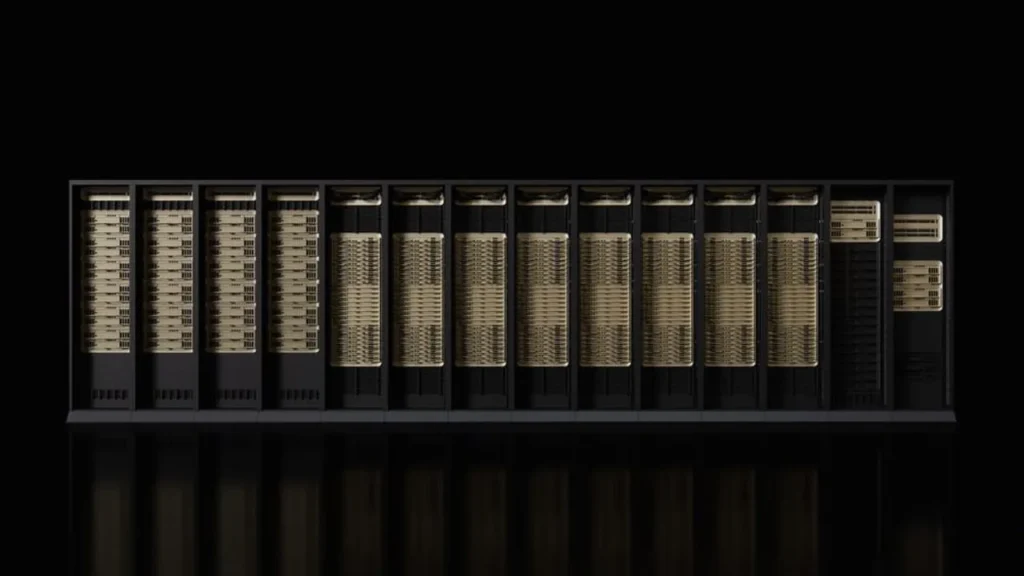
Rubin is named after astronomer Vera Rubin. The goal is simple. Give AI more power without forcing data centers to build large new hardware companies.
Huang explained the issue. Every year, AI models are expanding 10 times. Token output increases approximately 5x annually. Old chip designs can not keep up.
Rubin is approximately 5x faster than the earlier Blackwell platform, while increasing transistor count by only about 1.6 times. The secret is that it is redesigned with six chips together, but not separately.
A key feature is NVFP4. Think of it as smart math. It reduces accuracy when possible to save time, and increases it again where required. That means faster work with less power.
Large models also become less expensive to operate. A ten trillion parameter model requires approximately one quarter of the hardware that previous systems required. Token costs reduce to about one-tenth.
Each Rubin rack carries 72 GPUs and approximately 220 trillion transistors. At approximately 45 degrees, liquid passes through the cooling system. This removes the need for huge water chillers in many data centers.
GeForce NOW grows to Linux and Fire TV
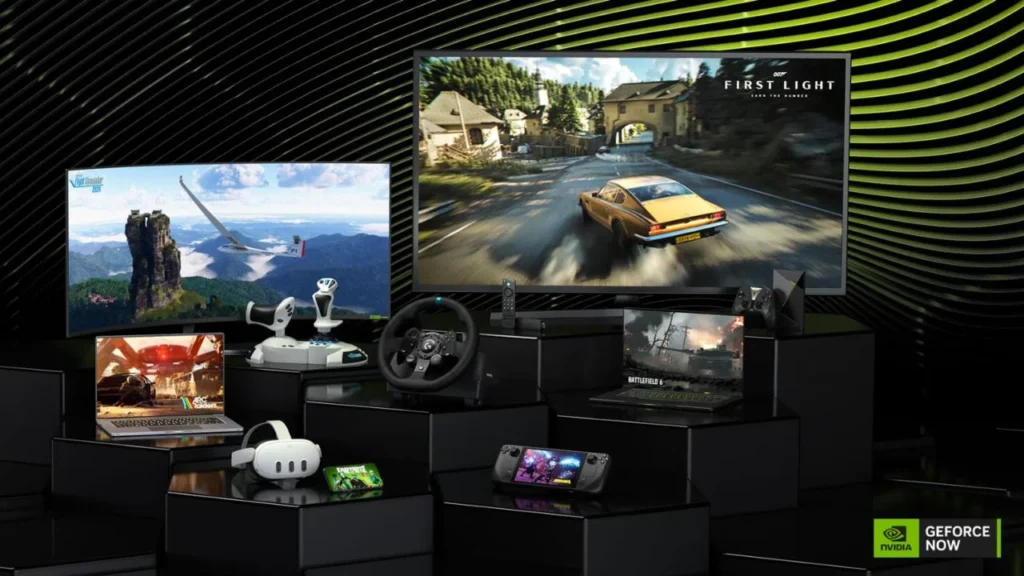
NVIDIA is adding a native GeForce NOW app for Linux PCs running Ubuntu 24.04 and above. A beta rolls out early 2026. Fire TV Stick 4K devices also get support.
The service is currently integrated with flight sticks and racing wheels. New content, such as Resident Evil Requiem and Crimson Desert, will stream on day one.
BlueField 4 tackles AI memory traffic jams
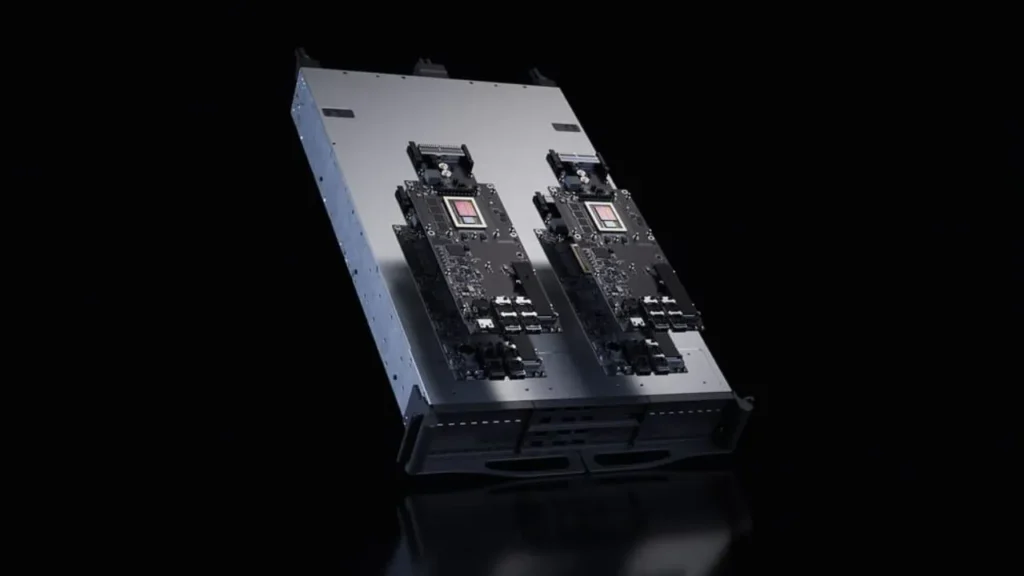
As AI systems grow, the next bottleneck is memory. Systems slow down when data should be transferred between servers.
NVIDIA introduced a Context Memory Storage platform paired with BlueField 4. It places up to 16 terabytes of fast memory close to each GPU within the rack. The data can be transferred at 200 gigabits per second instead of bouncing across networks.
Everything is encrypted, and NVIDIA claims to make it more secure for companies that run private models on shared infrastructure.
DLSS 4.5 brings smoother gaming and smarter frame creation
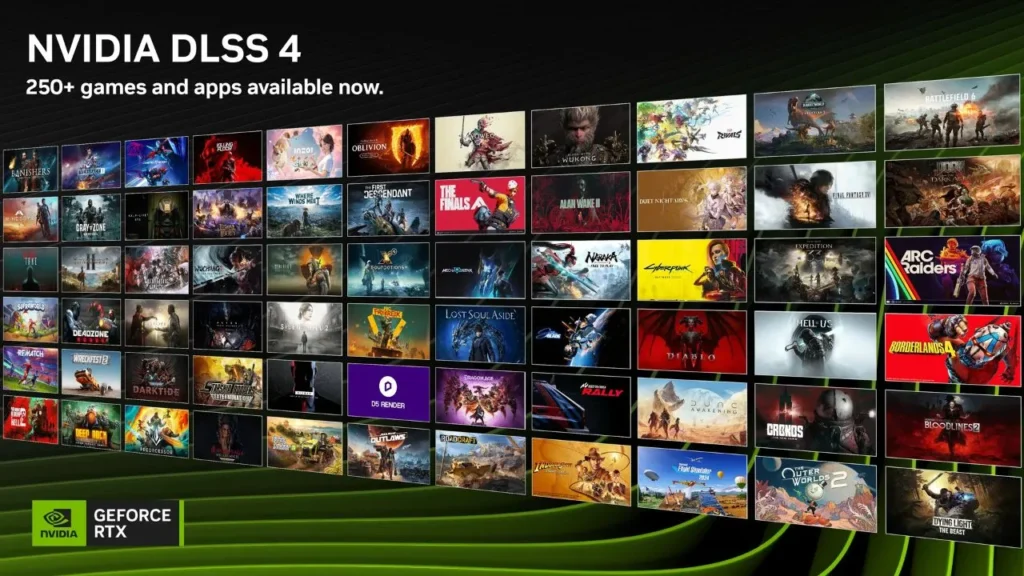
Gamers also got attention. DLSS 4.5 uses a new transformer model for Super Resolution. It enhances clarity in fast motion and reduces flicker across more than 400 supported titles.
Dynamic Multi Frame Generation will arrive on RTX 50 series GPUs in spring 2026. It can add up to five frames between regular frames. The system aims to match the monitor refresh rate, so movement remains smooth without wasting energy.
More than 250 games now support DLSS 4, including new releases such as 007 First Light, Phantom Blade Zero, and Resident Evil Requiem.
Alpamayo: reasoning AI for safer driving
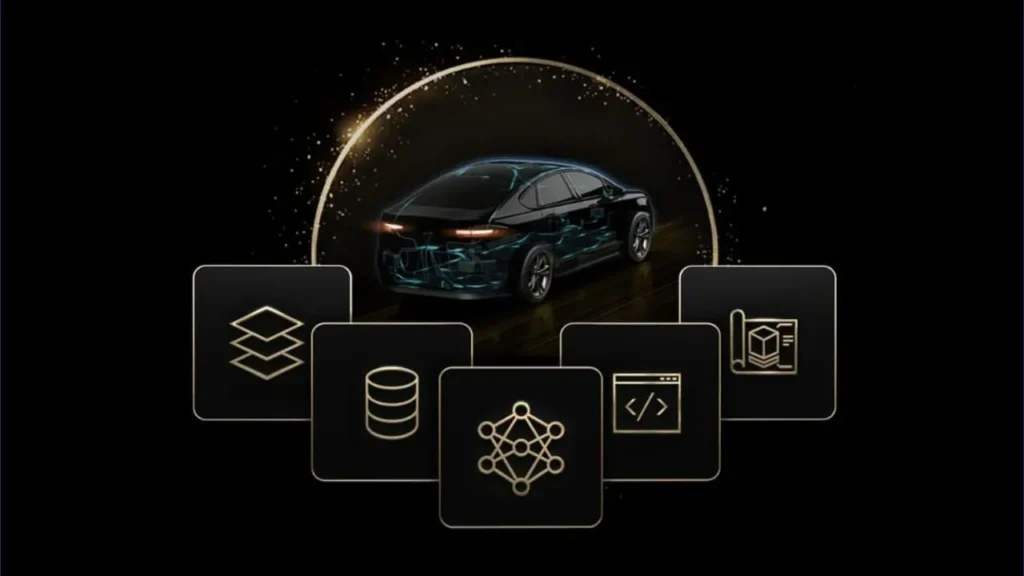
NVIDIA also presented Alpamayo, a ten billion parameter model to reason behind the wheel.
Alpamayo explains what it sees and why it makes decisions instead of just matching patterns from training data. Huang said that real roads are rare. You cannot record every possible case. But you can break big pictures into smaller, well-known ones and think them out.
Alpamayo operates on a conventional certified safety stack. A policy system decides which one controls the car at a specific time. The reasoning model manages daily driving. The classical system takes over when risk rises.
Mercedes-Benz CLA 2025 will ship with the complete NVIDIA stack in the first quarter of 2026 in the United States and the second quarter in Europe. Lucid Motors, Uber, and Jaguar Land Rover are also working with the platform.
Open AI models for robots and real world systems
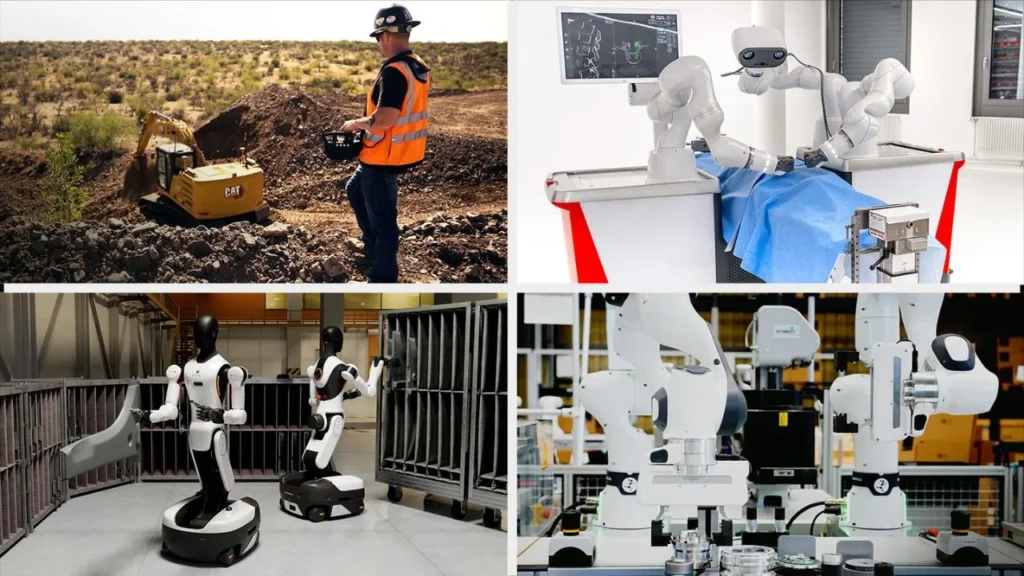
NVIDIA also released new open models and datasets focused on what it terms physical AI. This includes self-driving, robotics frameworks, and large language models that are agent workflows.
The focus is to reduce costs and help developers build robots and reasoning agents more quickly.






A little discussion goes a long way.
Ask a question, share your experience, or help someone find an answer.
There is room for your perspective.
No discussions match this view yet.
Your voice belongs here
Keep it useful. Keep it kind.