
Meta has launched a series of new security features that help users identify and prevent online fraud more efficiently. While scammers constantly evolve new strategies to cheat users and platforms, these new updates come at a crucial time for digital safety.
WhatsApp Gets Screen Sharing Protection
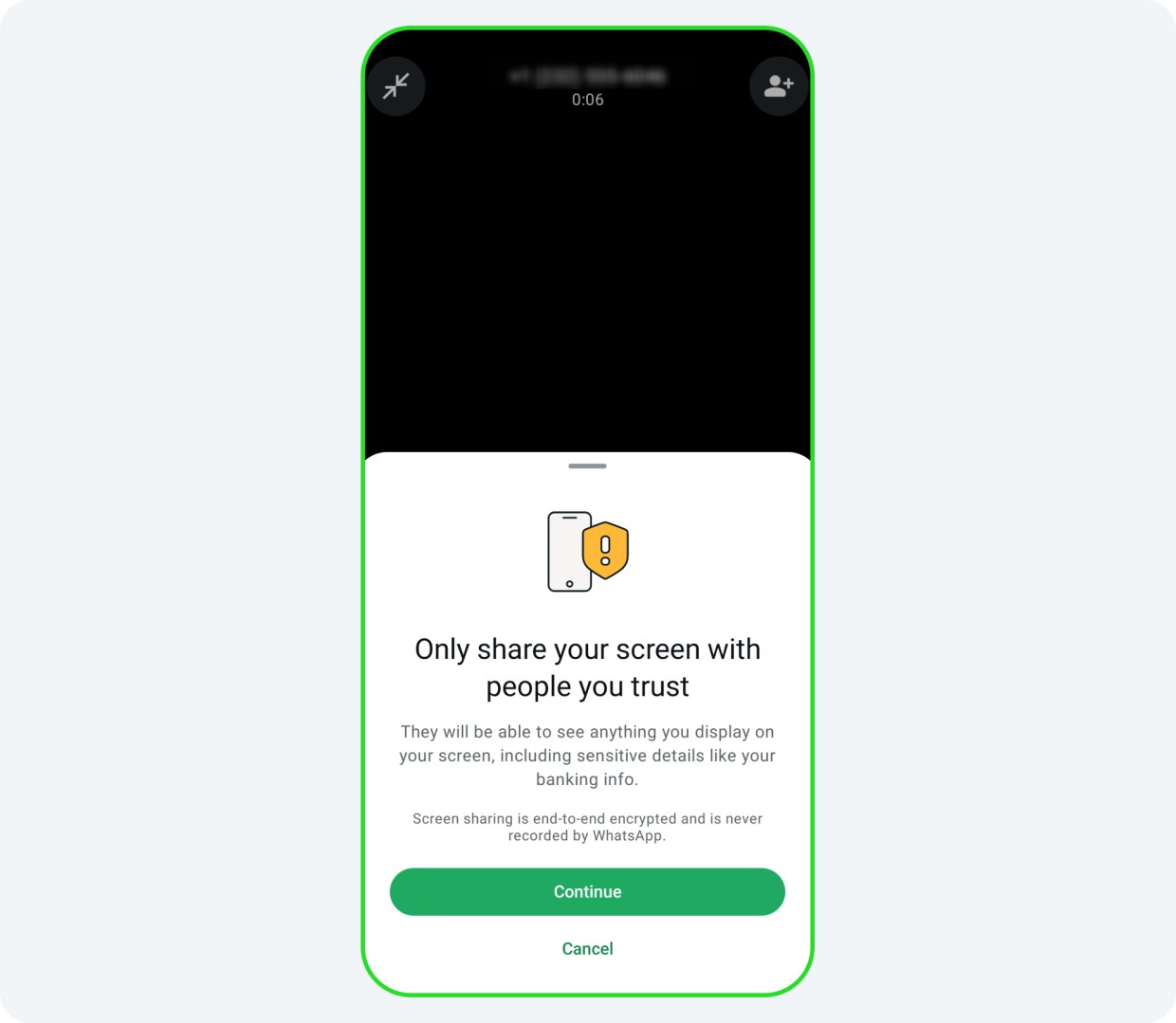
One of the biggest changes affects WhatsApp. Meta has added a new warning system that alerts users when they are about to share their screen with an unknown contact. The update focuses on widely used scam methods, where a fraudster poses as a support agent or bank employee and convinces the victim to give them access to their screen to resolve a suspected issue.
After screen sharing, scammers can easily see passwords, banking information, or other sensitive data being typed in real-time, leading to potential identity theft or financial loss.
To ensure even more protection of vulnerable populations, Meta has partnered with the National Elder Fraud Coordination Center (NEFCC), which brings together law enforcement agencies and large corporations, like Amazon, Microsoft, Google, Walmart, and AARP, to combat scams specifically against older adults.
Messenger Tests Enhanced Scam Detection
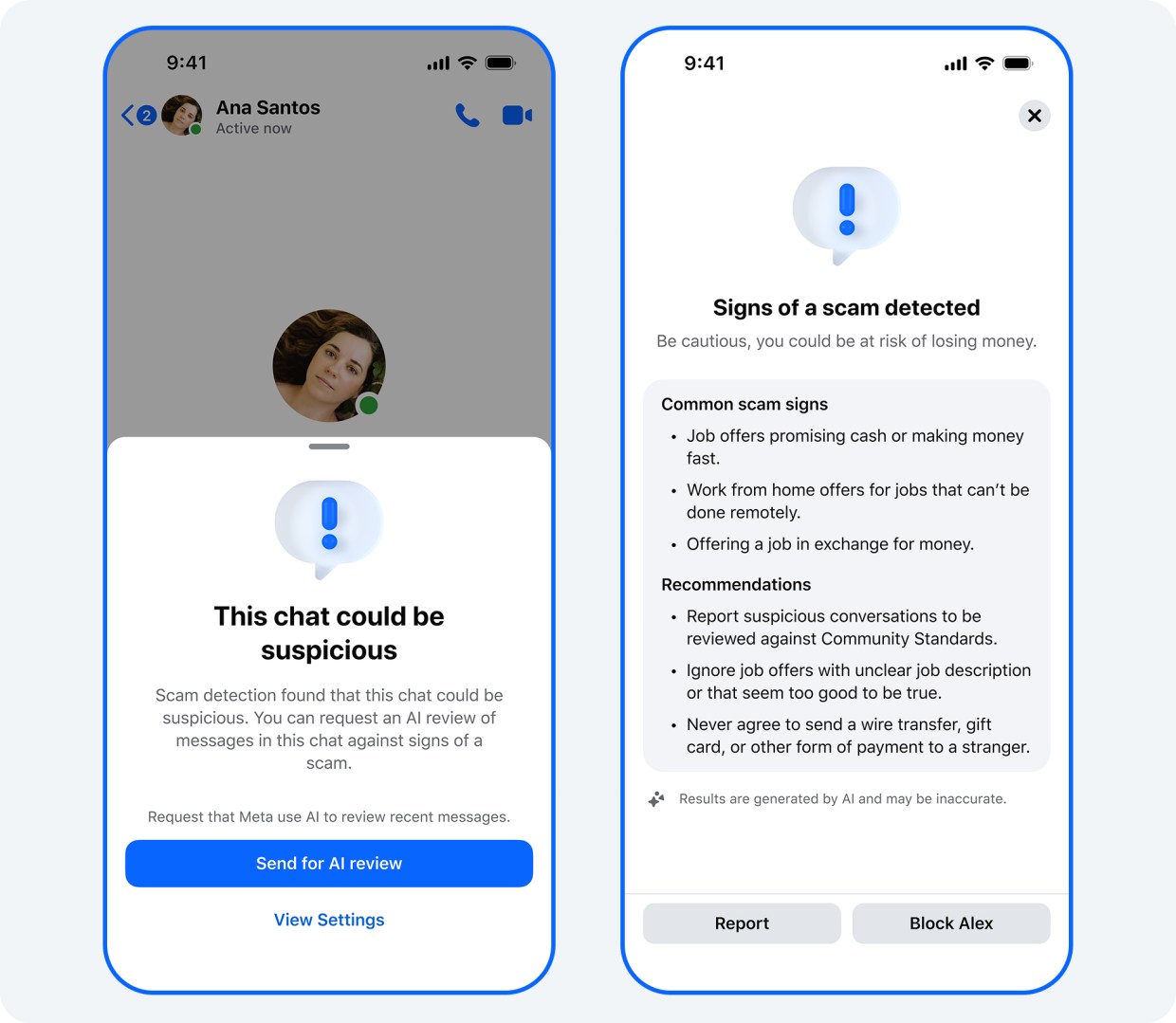
Meta is also rolling out upgraded scam detection tools for Messenger, which have been tested with some users already. Messenger scams often start with fake Facebook profiles sending friend requests to random people. After these false accounts are accepted, they use mutual friends to appear legitimate and send phishing or financial scam messages.
An updated version of Messenger will soon have an AI-powered review feature that allows users to flag suspicious messages before sending them. The new system will help identify common scam patterns, which can include fake employment opportunities, fake crypto investment or work-from-home money schemes, and all of which have become more prevalent on messaging apps.
The scale of Meta’s anti-fraud efforts is significant. In the first half of 2025, the company reported approximately 8 million accounts linked to organized scam activities across countries like Myanmar, Laos, Cambodia, the UAE, and the Philippines. Moreover, more than 21,000 fake Facebook Pages claimed to be official customer support services were detected and removed.


A little discussion goes a long way.
Ask a question, share your experience, or help someone find an answer.
There is room for your perspective.
No discussions match this view yet.
Your voice belongs here
Keep it useful. Keep it kind.