
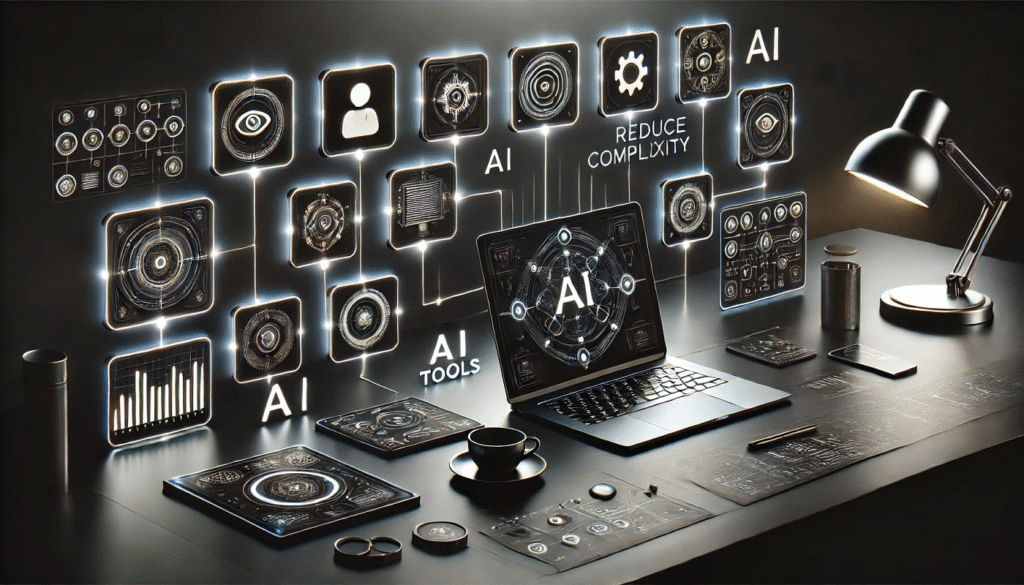
In today’s fast-paced digital world, efficiency is no longer just a competitive advantage—it’s a necessity. Businesses and individuals alike are seeking ways to streamline repetitive tasks, optimize decision-making, and boost overall productivity.
Enter AI workflow automation, a game-changing approach that leverages machine learning tools to handle routine processes, analyze complex data, and even make intelligent decisions without constant human intervention.
From automating emails and customer support to predicting trends and managing operations, AI is transforming how work gets done. As organizations increasingly adopt these smart systems, the promise of enhanced efficiency, reduced errors, and smarter resource allocation is becoming a reality, redefining the future of digital productivity.
What is AI Workflow Automation?
AI workflow automation refers to the use of artificial intelligence (AI) and machine learning (ML) technologies to automate repetitive tasks, optimize workflows, and make informed decisions without requiring constant human intervention. However, unlike conventional automation, where rules are set in advance, AI-based automation can adjust over time and learn, and improve based on the incoming data. This means saving time and minimizing mistakes, and businesses can also have a better understanding of operations and customer behavior.
From scheduling tasks and managing emails to analyzing large datasets and predicting outcomes, AI workflow automation is becoming an essential tool for enhancing digital productivity across industries. For instance, just as mobile apps like 1xbet apk leverage advanced algorithms to provide personalized experiences and seamless interactions, AI workflow tools use smart algorithms to tailor workflows to specific business needs, making processes faster and more efficient.
By integrating AI into everyday workflows, organizations can focus more on strategic and creative tasks, leaving repetitive, data-intensive tasks to intelligent systems. The result is a more agile, efficient, and future-ready digital environment.
Role of Machine Learning in Automation
Machine learning (ML) is at the heart of modern AI workflow automation. The way ML algorithms learn and make predictions or decisions based on the learning of the data opposes to traditional software that runs pre-programmed instructions and finds patterns. This enables the automation systems to cope with complicated operations, adapt to different situations and keep on enhancing their performance as time passes.
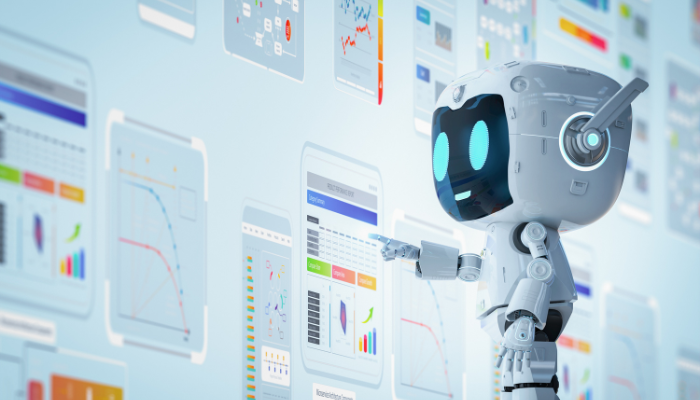
For example, ML can analyze the customer interactions, forecast the trends, and clear the operational processes, requiring less human intervention. It is capable of automatic email sorting, prioritizing tasks and will even do some intelligent things that lead to strategic decisions. In effect, machine learning will convert the existing automation to dynamic and intelligent system, able to process tasks that previously demanded human decisions.
Just as platforms require secure and seamless access through 1xbet login to provide personalized betting experiences, ML-powered automation ensures that workflows are smart, responsive, and tailored to specific business needs. By integrating machine learning into automated processes, organizations not only save time and resources but also unlock new levels of efficiency and innovation.
Applications Across Industries
The uses of AI workflow automation are not isolated to technological enterprises anymore; it has been demonstrated to have influence on almost all industries and has improved the way organizations do everything and boosted their productivity. Here are some key examples:
1. Marketing and Sales
AI tools can be used to automate the process of scoring leads, email marketing, scheduling posts on social media, and optimizing campaigns. The customer behavior is analyzed and the trends predicted by the machine learning algorithms, which enables the marketers to provide personalized content and targeted promotions with minimal human effort.
2. Human Resources (HR)
HR departments are also taking advantage of AI automation in the form of automated screening of candidates, onboarding processes, and monitoring employee performance. Repetitive work can be undertaken by HR professionals for areas like strategic work, talent development, and workforce planning.
3. IT and Operations
Machine learning-powered automation helps IT staff to keep track of the performance of their systems, identify anomalies and even anticipate eventual failure before it takes place. This saves time and enhances the effectiveness of the operations and also leaves the human resources to do the most important problem-solving activities.
4. Customer Service
AI-powered chatbots and virtual assistants will be able to answer customer questions 24/7, handle ticketing, and even solve easy problems without human intervention. Managing the standard questions, businesses will be able to provide shorter response times and improve customer experience, as human agents will work on complicated issues.
5. Finance and Accounting
In finance, AI automation is used to automate such operations as transaction monitoring, fraud detection, or financial reporting. Machine learning algorithms can identify abnormal patterns and conduct compliance checks automatically, eliminating errors and saving a lot of time.
Across industries, the common theme is clear: AI workflow automation enables organizations to operate smarter, faster, and more efficiently, freeing human teams to focus on creative, strategic, and high-value activities that drive growth.




A little discussion goes a long way.
Ask a question, share your experience, or help someone find an answer.
There is room for your perspective.
No discussions match this view yet.
Your voice belongs here
Keep it useful. Keep it kind.