
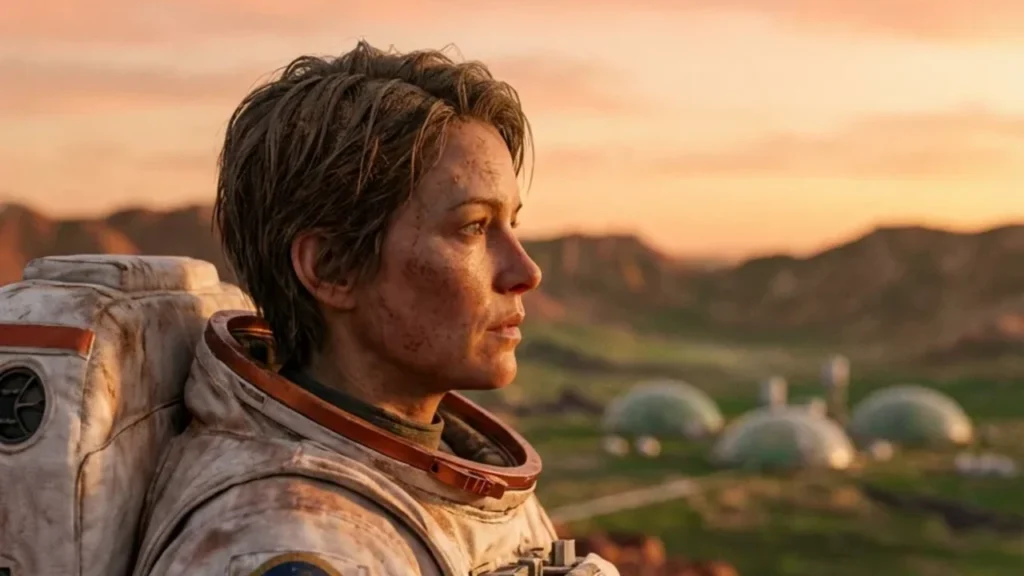
Artificial intelligence is revolutionizing the art world, transforming how creators approach their craft and opening doors to unprecedented creative possibilities. Digital artists today face a unique challenge: standing out in an oversaturated landscape where millions of images flood social media and online galleries daily.
The pressure to make original eye-catching visuals may result in creative blocks and burnout of an artist. It is in this context that AI image generators become strong collaborators and provide creative artists with a new avenue of creating images basing on text descriptions and discovering new creative worlds. These tools do not substitute artistic sight, but intensify it and assist artists to overcome the obstacles of mental image and create unique images that represent personal style.
You might want to have a simple interface to test out new ideas or you might need to get tools to streamline your creative process; the AI technology offers viable solutions based on the needs of modern artists. This paper discusses the ways in which you can use AI image generation to circumvent any creative challenges and create unique pieces of art that resonate in the current highly competitive digital environment.
- Understanding AI Image Generators: The Basics for Artists
- Key Benefits of Using AI for Digital Art Creation
- Enhancing Creativity and Innovation
- Streamlining the Art Creation Process
- Top AI Image Generation Tools for Digital Artists
- Tool 1: Overview and Features
- Tool 2: Overview and Features
- Step-by-Step Guide to Creating Unique Art with AI
- Step 1: Ideation and Prompt Crafting
- Step 2: Using the Tool Interface
- Step 3: Refining and Customizing Outputs
- Tips for Integrating AI into Your Artistic Workflow
- Challenges and Solutions for Digital Artists Using AI
- Embracing AI as Your Creative Partner
Understanding AI Image Generators: The Basics for Artists
An AI image generator is a software tool that uses machine learning algorithms to create visual content from text descriptions or other inputs. These systems rely on neural networks that were trained on millions of images, patterns, and styles as well as visual relations, which allow it to create original artwork.
Using a text prompt, the AI will make sense of what you are saying and create completely original images according to its training. To digital artists, the technology acts as a complement of their traditional skills and not a substitute.
Imagery generation tools may enable you to generate individual images fast, experiment with designs you would otherwise not have thought of, and experiment with artistic styles you would not typically use in your own repertoire. The technology is great at merging unforeseen aspects, proposing color combinations, and creating theme variations.
Knowing that AI does not perceive the visual information in the same way as humans do, artists can use these systems as an opportunity to go beyond established thinking patterns and explore new creative paths that will change their own artistic vision.
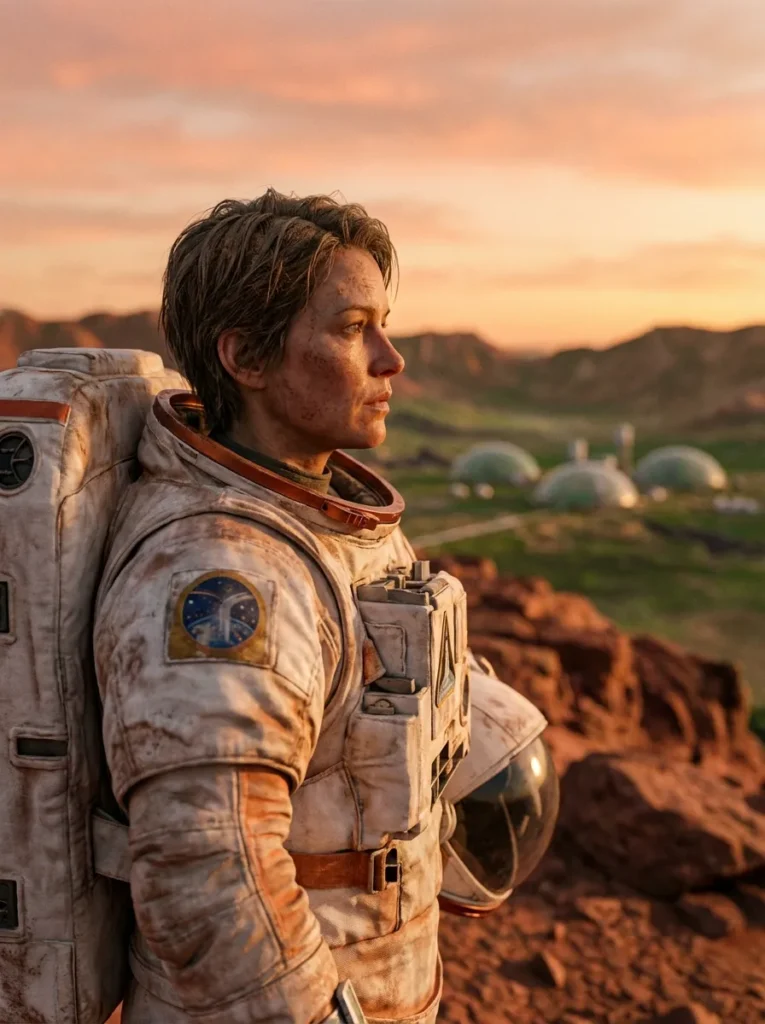
Key Benefits of Using AI for Digital Art Creation
AI image generators deliver tangible advantages that directly address the practical needs of working digital artists. These tools are a masterpiece in terms of providing individual images in minutes as opposed to hours, thus giving you time to experiment with various ideas before making a final choice.
The technology offers access to artistic forms which you may not have the technical skills to render by hand, both hyperrealistic portrayals and abstract works. This flexibility allows artists to increase their portfolio toolkit and assume new client projects without years of further research.
Enhancing Creativity and Innovation
AI serves as a creative catalyst by generating unexpected visual combinations that push you beyond habitual thinking patterns. Describing a concept in text prompts makes the system interpret your words in unusual ways and suggests some compositions and color relationships that you would not have thought of on your own. Such uncertainty shatters the wall that is the mind and starts novelties.
Artists often utilize AI generation as a starting point, in which they use the generated components and work on them manually to create something entirely original and, in doing so, incorporating their own artistic style.
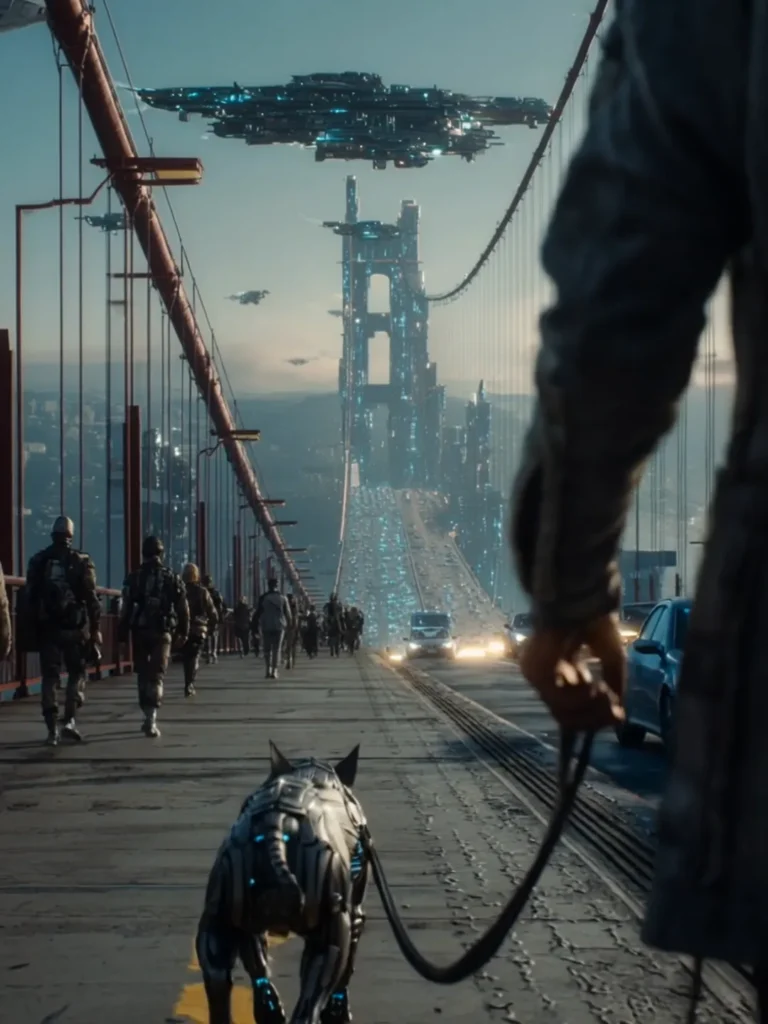
Streamlining the Art Creation Process
Time efficiency becomes a significant advantage when AI handles preliminary visualization stages. You will not have to waste hours creating terrible ideas on paper, you are going to create numerous variations in a few seconds, and you will see good directions fast.
Modern tools have simple interfaces that remove any technical boundaries, allowing you to make creative decisions and not to be distracted by software complexity. This has been especially useful in the case of commercial artists who have to meet deadlines and can quickly iterate work without compromising creativity quality and creating unique work that satisfies the client.
Top AI Image Generation Tools for Digital Artists
Several powerful platforms have emerged to serve digital artists seeking to generate distinctive visuals through AI technology. These tools are differentiated by approach, interface and abilities to be creative and allow you to have choices that are tailored to your workflow and artistic ambitions.
Tool 1: Overview and Features
Midjourney is also unique because it generates the creative, stylish images that are appealing to creative professionals. The platform works on the principle of community-based interface where you type in some text cues, and get provided with several variants in response. Its power is in the production of images with painterly effects and imaginative interpretations, which is especially applicable to concept art, drawing, and experimental image-making. Simple command structures make the system apply iteration, enabling you to iterate on outputs by changing parameters or by combining different prompts with each other in different combinations to generate progressively more unique results.
Tool 2: Overview and Features
DALL-E provides a simple way of generating art out of text and has an interface that is easy to use. His platform is excellent at comprehending detailed descriptive text and interpreting detailed prompts into clear visual images. Artists like it because it is consistent in the depiction of particular subjects and its ability to bring together unrelated ideas into cohesive images. The editing capabilities allow you to edit generated images by either adding or removing elements using text instructions, allowing you to give creative control in a way between AI generation and classic form of artistic decision making. All these features of the tool are a useful combination of accuracy and versatility, making it useful to artists when creative experimentation is required, yet some reliability is needed.
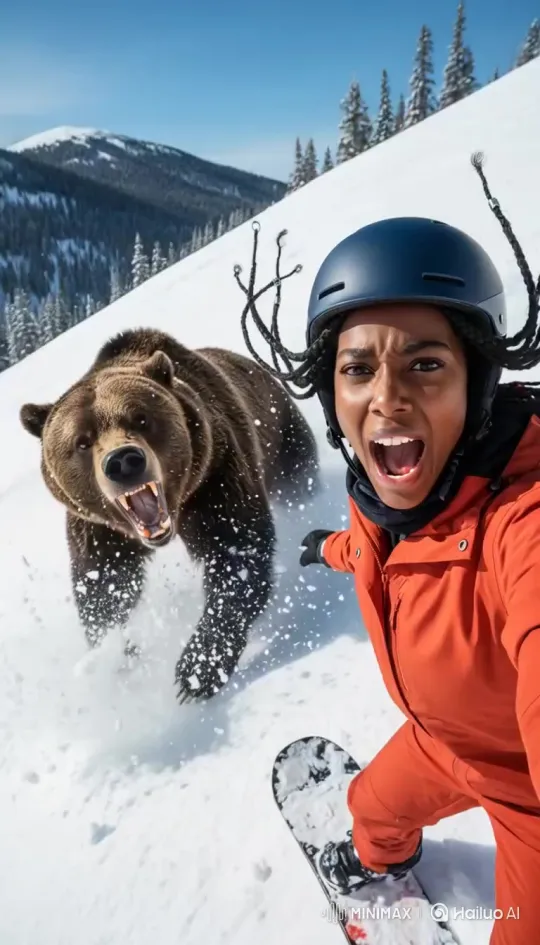
Step-by-Step Guide to Creating Unique Art with AI
Transforming your creative vision into a finished piece of art using AI, it is necessary to have a systematic approach to balance the technological capacity with the intent to create art. It starts with an idea and takes it through to a refined process and you have a handle over it every step along the way as AI has the power to generate.
Step 1: Ideation and Prompt Crafting
Successful AI art creation starts with thoughtful prompt development. Start with a clear definition of what it is you want to achieve as an artist be it character design, landscape, or abstract composition. Write descriptive text with certain information on the subject matter, mood, light condition and style. Rather than using general expressions such as a forest, please use something like an old moss-filled forest at sunset with a haunting blue glow sneaking through the heavy trees. Add stylistic allusions like in the manner of watercolor painting or with dramatic chiaroscuro lighting. Provoke the AI by trying odd word combinations to encourage the AI to give more unique results. Keep a record of useful prompts that yield the desired product in accordance to your vision that you can narrow down your vocabulary to speak more specifically to the system.
Step 2: Using the Tool Interface
When you have your prompt prepared, use it to open the generation interface of the platform of your choice. The input field of most tools has a simple text input field where one pastes or types their description. Choose any of the parameters available such as aspect ratio, style intensity or the number of variations that suit your project needs. Send your prompt and wait until the first generation which generally takes some time, between thirty seconds and two minutes. Consider the various options given, which of the outputs represent aspects of your vision. It is not necessary to be perfect the first time, find some promising bases to continue building them. Store outputs which are promising and repeat by adding your original prompt with the addition of new descriptive languages that highlight the desired features or remove undesired ones produced by the AI.
Step 3: Refining and Customizing Outputs
Transform AI-generated images into truly unique artwork through deliberate refinement. Get imports that you favor into your choice of digital art software in which you can make personal adjustments that create your artistic voice. Customize colors to fit your palette, fine-tune aspects of composition, and incorporate hand-drawn elements to make the work non-AI generated per se. A lot of artists mix several AI outputs, mixing the elements of various generations to compose the pieces that could never be created by a single prompt. Traditional Digital painting can be used to fix anatomical flaws, improve focal points or add textures that the AI could not. This hybrid solution will help your final artwork be original but at the same time use AI to create unforeseen images as starting points which can lead your creativity.
Tips for Integrating AI into Your Artistic Workflow
To implement AI in your creative work successfully, one needs to consider deliberate approaches that will not alter your creative identity but instead allow you to use the benefits of the technology. The first step is to stop thinking of AI as a substitute to your abilities and use it only in the parts of the process where it can actually be of real value, such as the preliminary concepting or background generation. To preserve your artistic voice, you should continually make AI products look more artistic with additions of personal finishing touches (manual painting, exclusive color correction, or composition) that match your trademark style. Test various styles of art that the AI can generate carefully and then examine what can be added to your work, which works best with your vision. Limit the use of AI to prevent reliance, and use the rest of the time, sketch and paint the old-fashioned way to maintain the basic skills. Think about the ethics of AI by disclosing your AI participation to your process when you present your work publicly, addressing the need to protect your work from copyright violations, and making sure that your prompts do not recreate the unique artistic style of living artists without crediting them. Record effective prompts and refinement methods in your own reference book, and construct your own, customized, workflow that reliably generates unique images that meet your creative objectives and uses efficiency to the fullest.
Challenges and Solutions for Digital Artists Using AI
Digital artists adopting AI technology encounter several practical obstacles that can hinder their creative progress. The overuse of AI generation is also a danger and can lead to loss of basic artistic abilities with artists relying on automated results, instead of engaging in traditional drawing and painting. The answer is in creating a balanced working process in which AI is performing certain duties such as initial research of ideas as you keep performing manual labor to get final refinements and develop skills. Another issue is quality inconsistencies where AI generators occasionally give us anatomically wrong bodies, warped viewpoints or fragmented details that need heavy editing. Response to this by working at the level of critical evaluation, learning to distinguish between outputs that make viable basis and those that require a major re-working. Learning curve Learning prompt engineering may be frustrating to those artists who do not know how AI understands language initially. Overcome this through learning effective prompts on other sites in the community gallery, trying descriptive words in a systematic way, and keeping a personal document of useful phrases. The complexity of interfaces differs depending on the platform, though nowadays most of the tools focus on accessibility and have intuitive designs reducing technical barriers. Such sites as HailuoAI have appeared which have simplified their interfaces so that artists can concentrate on creativity instead of navigating. When learning to use advanced features, start with options that are learner-friendly to provide you with simple text-to-image generation abilities and then move toward the more advanced features as you develop skills to support, but not overwhelm, your creative process.
Embracing AI as Your Creative Partner
AI image generators have emerged as transformative tools that empower digital artists to create unique art while navigating today’s competitive visual landscape. These platforms offer viable answers to creative blockages, speeding up work processes, and venturing into the artistic realms of the hitherto unknown talent pools. This technology is most effective when combined with your creativity as a human being as a partner that will enhance your artistic vision and not substitute it. With a refined sense of timely creation, choosing tools that have friendly interfaces that suit your personal needs, and finishing the work of AI with personalized details, you can retain full control of creativity and enjoy the power of generative tools never before achieved. The fact that it is possible to generate art out of text allows the practice of rapid experimentation and visual exploration, which would otherwise be unachievable using only traditional techniques. When you are adding these tools to the practice, keep in mind that your vision, taste, and ability to refine are the qualities that cannot be replaced and make AI-based foundations look like some original piece of art. Become the first to try AI image generation as a source of innovation and growth and experiment with it bearing in mind the core artistic abilities and creative instinct that make you an original in the realm of digital art.
A little discussion goes a long way.
Ask a question, share your experience, or help someone find an answer.
There is room for your perspective.
No discussions match this view yet.
Your voice belongs here
Keep it useful. Keep it kind.