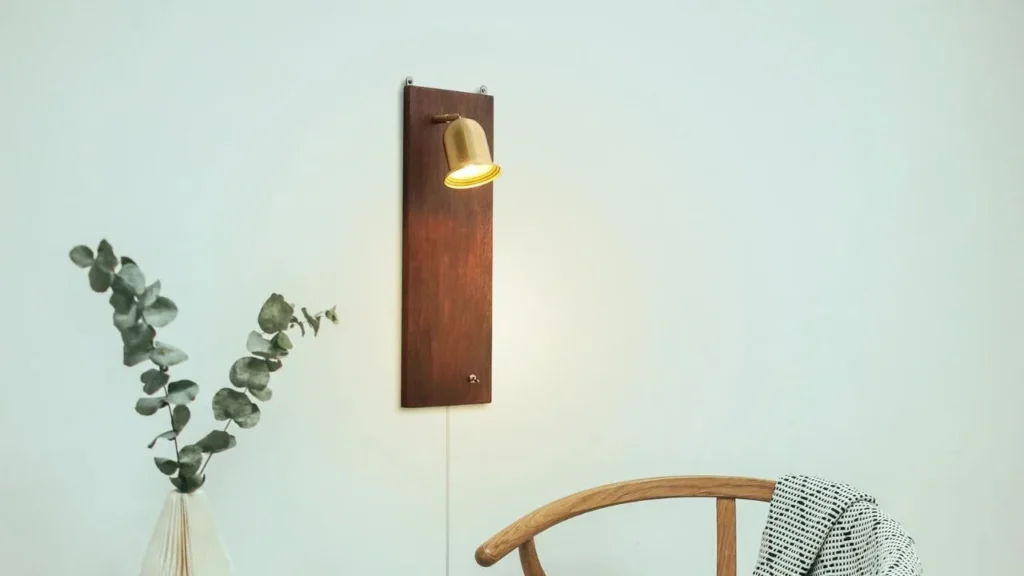
Battery-powered wall lighting has revolutionized how we illuminate our homes, offering flexibility that traditional hardwired fixtures simply cannot match. Whether you are a resident who cannot choose his/her lighting by lease conditions or a homeowner who wants to have a variety of lights and does not want to paint their place with electric elements and damages, these innovative technologies can offer a chance to light up any room without any electrical construction and permanent changes. Over the past few years, the technology has improved and currently the battery operated lights offer amazing brightness, long operating time, and sophisticated designs that can compete with the wired lights.

From elegant sconces that add ambiance to your bedroom walls to practical task lighting in closets and hallways, battery-powered fixtures eliminate the constraints of outlet placement and wiring accessibility. They are very useful especially in older houses where installing new electrical circuits would prove to be expensive or physically challenging and they can be moved easily and used immediately when you change your house or desire to change the outlook of your house. These lighting solutions offer a range of minimalist modern design to the traditional one, showing that convenience does not have to be a factor of reducing the aesthetics or functionality.
Understanding Battery-Powered Wall Lighting
Battery-powered wall lighting represents a fundamental shift in how we approach interior illumination, relying on self-contained power sources rather than hardwired electrical connections. These lights use rechargeable or replaceable batteries placed behind or inside the light unit, and are powered with low-energy-consuming LED bulbs that help to increase operating time and provide significant brightness. The technology is especially popular with renters who are limited in their ability to make permanent changes to their living areas, so that they can establish tailored lighting effects, can easily be disassembled when they move without leaving behind damage or needing to get permission from their landlords.

Modern battery-operated wall lamps have developed a lot beyond emergency lighting, and currently have advanced technology such as dimmable lights, motion sensors, and handsets. Your electric fixtures will have no electrical wiring, so you can use them anywhere on your walls, above pictures and beside mirrors, along door frames, or in the shadows, and not be limited by the location of outlets or the cost of electricians.
Types of Battery-Powered Lighting
LED sconces have dominated the battery-operated wall light market, providing focused lighting in small packages that are mounted with an adhesive strip or with a small amount of hardware. Smooth and modern in look, aluminum or plastic housings are usually present in these fixtures, which are either ambient or accent lighting and compete with hardwired solutions.
Wall lamps have become rechargeable; they contain lithium-ion batteries that can be charged using USB cables and eradicate the need to replace batteries on a regular basis, delivering hours of operation. Most of them have touch controls or smartphone connectivity so that they can be operated easily wherever in the room.
The battery-powered string lights add ornamentation to the walls and they produce nice ambient effects that you would only need in a bedroom or the entertainment area. You can also have the plug-and-play battery lights that are also very portable and that can be switched to battery power and plug-in power according to your changing needs.
The Benefits of Battery-Powered Wall Lighting
The installation simplicity of battery-powered wall lighting stands as its most compelling advantage, requiring nothing more than adhesive backing or a few screws to mount fixtures in minutes. These lights do not require electrical skills, allow usage, and changes to the walls, unlike hardwired options that require electrical knowledge, authorize their usage, and the permanent changes to the wall. Such portability is also useful in case of a move or even redecorating because fixtures can be removed without much mess and do not involve much questioning and repainting.

Cost-effectiveness is not limited to the initial purchase cost but does not include the cost of electricians who may only have to spend several hundreds of dollars to install a single electrician. Battery-powered solutions also eliminate the cost of installing new wiring through walls or ceilings, which in particular case is cost effective to renters who will never recover the cost of installation.
The energy efficiency of the LED technology in these fixtures amounts to little energy consumption, and current rechargeable battery models yield the benefit of weeks or months of power usage per charge based on usage patterns with newer models with replaceable batteries that last years at a fraction of the battery replacement cost.
The freedom of wiring Design without limitations Be able to light up places you never could, such as inside closets, stair cases or art collections long before the nearest power outlet. The battery-powered fixtures available on the market today will be in every look: industrial metal sconces to fine fabric-shaded lamps, crystal adornments to minimalist geometrical ornamentation, so that the choices of lighting you make will not undermine your interior design at all.
Such functionality and design versatility make battery-powered wall lighting a smart choice to every person who wants to add some brightness to his or her space at a minimum investment, maximum comfort, and at full design flexibility.
Choosing the Right Battery-Powered Lighting
The choice should be based on battery life, which is normally six to twelve hours of constant light with a full charge of rechargeable lithium-ion models, and weeks of intermittent use with replaceable battery fixtures. Analyze your planned usage habits – lights in the hallways must be run on less power than a nightly reading lamp in the bedroom, and should be looked at in the specifications of the manufacturer to find the realistic estimates of the expected run time under your brightness requirements.
Installation type can be widely different among the products themselves, whereas a damage-free adhesive strip is suitable in the rental premises, or using screw-mounting systems, which offer increased stability in fixtures of considerable weight.
Take into account the composition on your wall surface as adhesive backing sticks well on smoothed painted walls, but can be difficult to use on rough surfaces or wallpaper, and screw mounting works on all types of surfaces but leaves small holes that would need to be filled once the mount is removed.
Design style must fit with the decor that you already have, be it contemporary brushed nickel finishes on modern spaces, bronze or brass on a traditional one, or fun colors on children rooms.
Power requirements include the type of battery like rechargeable USB models are convenient and sustainable Brightness units lumens with 100-200 lumens being convenient in ambient lighting, and 300-500 in task lighting, such as reading or grooming.
Installation Tips for Battery-Powered Wall Lighting
Choosing the right location is to determine areas where you require illumination bearing in mind the weight of the fixture and where you would like to mount it. Ambient sconces are positioned with position lights at eye level about 60-66 inches above the floor or higher that are used as accent lights to illuminate the walls with soft light.
Do not stick adhesion-mounted fixtures on freshly painted wall wait at least two weeks before the paint is fully cured- and surfaces must be clean, dry, and devoid of dust or oils which destroy adhesion. To test your selected location, place the fixture in position and note the light distribution to be sure you have chosen the right position.
Strict adherence to the instructions of the manufacturer will help avoid the typical installation errors that deter the safety and performance. Before starting, go through all documentation and take particular note of such requirements as surface preparation steps, advisory adhesive curing times, or torque values of mounting screws.
Most rechargeable fixtures (such as those of makers such as KIVENLIGHTING) must be fully charged first time before use to maximize the battery performance, and certain motion-sensing models must have calibration settings that are unavailable without first reconfiguring the devices. Store documentation and packaging to be used later, in particular, warranty and battery change details.
Also, you can check the lighting functionality prior to installing to ensure that all is fine and to make some adjustments where necessary. Switch on the light to confirm that you have ensured the correct batteries and connections are in place, and then notice the light pattern on your wall to make sure you have what you want without glare or shadowing.
For adhesive-mounted lights, there are simple pull tests that should be done after the recommended curing period to ensure that the lights are mounted firmly. Set a battery replacement schedule according to your usage habits, highlight them on the calendar or just note the date you first install your batteries so you can easily determine the average life of that battery in your particular application and before failure, you replace your batteries before they can terminate unexpectedly, and leave you without power.
Maintenance and Care
Regular cleaning helps keep your battery power wall lighting in good looks and performance and dust build up can lower the intensity of the light, as well as form shadows that reduce the utility. Clean monthly with a soft dry microfiber cloth to clean the surface and light covers, or with a slightly moistened cloth of a stubborn surface, with the light turned off to ensure the surface is full dry before it is turned back on.
For fixtures having translucent covers or shades, take off following the instructions of the manufacturer and wash independently using mild soap and water to get all the brightness, and avoid using hard chemicals that may destroy the plastic parts or ornamental finishes.
Wear and tear inspection will help avoid the sudden failure and safety risks, especially when adhesive-mounted equipment is noticed to be loosened and results in falls. Inspect mounting hardware every three months or so, to tighten screws that have been loosened by vibration or settling of walls, and to remove adhesive strips which have begun to weaken before the fixtures can become detached.
Check battery areas of corrosion -white or green around terminals- tells of exposure to water or leaky batteries that need immediate cleaning with cotton swab dipped in white vinegar and then well dried before new batteries can be installed.
Correct storage of batteries prolongs the life of the battery and sustains its best performance across the uses. Keep spare batteries in cool and dry places where they will not be exposed to direct sunlight and sources of heat, and also they should be in their original packs so that they do not come into contact with metal objects that would lead to short circuiting.
When fixtures have prolonged periods of non-use, e.g. seasonal decorations or guest room lighting, remove the batteries, otherwise they can be corroded away, and the battery charge and the integrity of the fits are preserved to be dependable in use when the need arises.
Embracing Flexible Lighting Solutions
Wall lighting powered by batteries has revolutionized interior lighting by providing the ideal blend of simplicity, low cost and design versatility. These new lights will allow tenants to customize their spaces without the threat of security deposits, and will give homeowners the chance to explore lighting configurations before making long-term investments.
These lights are made available to all people who would want to improve the atmosphere and functionality of their houses by removing the need of electrical work, professional installations, and wall adjustments.
Whether you need ambient lighting in a bedroom, task illumination for a closet, or accent lighting to highlight artwork, battery-powered wall fixtures offer practical solutions that adapt to your changing needs. The combination of modern LED efficiency, rechargeable battery technology, and diverse design options ensures you won’t sacrifice performance or aesthetics for convenience.
By following proper installation techniques and maintaining your fixtures with regular cleaning and battery care, you’ll enjoy reliable, beautiful lighting that brightens your space exactly where you need it, moves with you when circumstances change, and proves that temporary solutions can deliver permanent satisfaction.